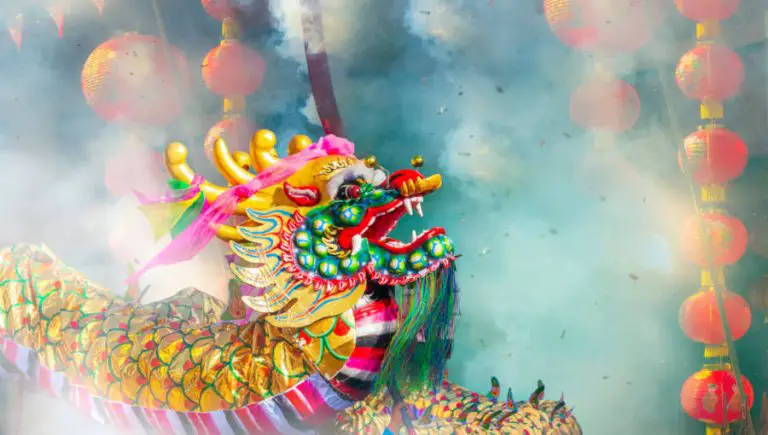
8 Major Chinese Festivals that You Need to Know
Festivals are an integral element of Chinese culture. In this article, we deal briefly the 9 major Chinese festivals that anyone needs to know
Festivals are an integral element of Chinese culture. In this article, we deal briefly the 9 major Chinese festivals that anyone needs to know

In Chinese culture and tradition, the Mid-Autumn Festival is considered the second-most important festival, only after the Chinese New Year or as it's also called the Spring Festival. The Mid-Autumn Festival is always celebrated on the 15th day of the 8th month of the Chinese Lunar Calendar, which was believed to be the day when the moon was the most visible.

The traditional Chinese lantern is probably one of the most renowned symbols of Chinese culture all around the world. Many Chinese restaurants or Chinese-themed buildings featured the Chinese traditional lantern at their entrance, even outside China. Thus, even foreigners can easily associate the bright-red, paper lantern with the Chinese Identity. For the Chinese and Chinese-descent, however, the red traditional lanterns will always remind them of the Chinese New Year, and especially the Chinese lantern festival—celebrated 15 days after the Chinese New Year—.

Kites can nowadays be seen in parks throughout the world, but they were invented in China more than 2000 years ago. Today, people usually use them for fun and entertainment, but they actually played an important role in Chinese history. We will describe the origin and history of Chinese kites, and you may be surprised with some facts you will find out.

The Red Envelopes—the Hong Bao, Lai See or Ang Pow— is a very important part of Chinese history and traditions. Here, we will discuss all you need to know about the hongbao and let us begin with a brief discussion about the philosophy behind the red envelopes.
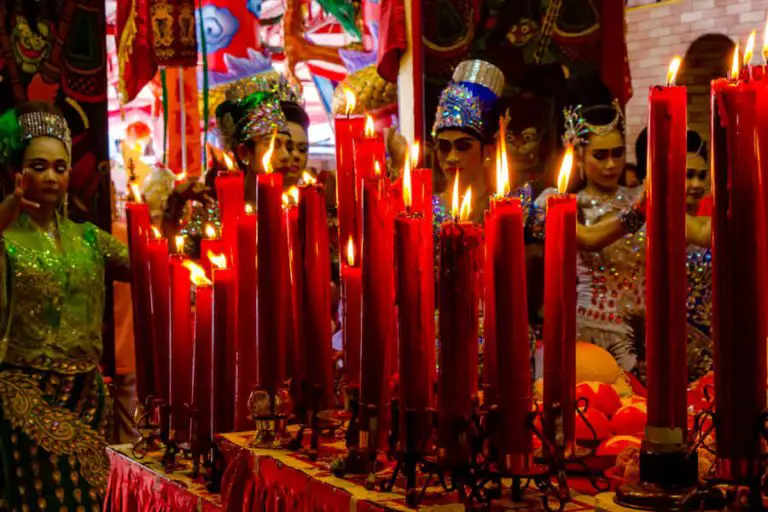
The Hungry Ghost Festival is one of the Chinese major festivals that is focused on venerating the ancestors, just like other festivals like the famous Qingming Festival (Tomb Sweeping Festival) and the Double Ninth Festival.The Hungry Ghost Festival is also known as the Zhongyuan Festival (中元節), and is celebrated every 15th day of the 7th month. As with any other Chinese Festivals
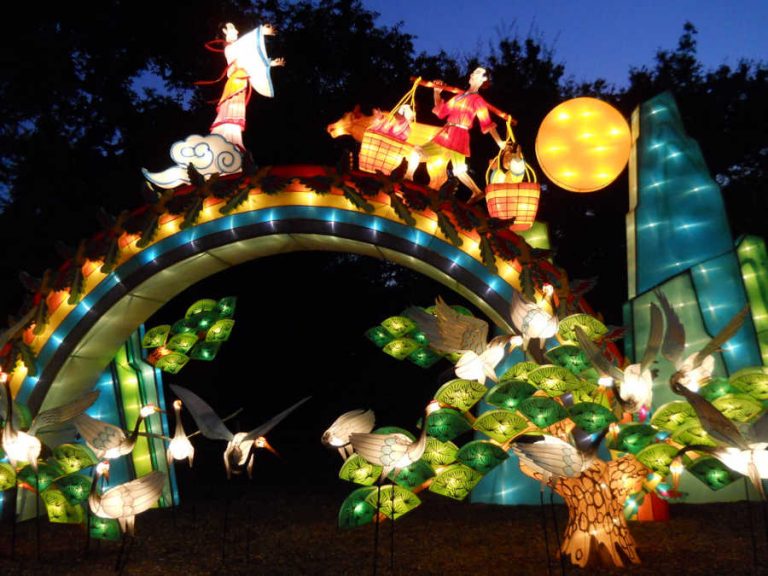
As the name “Double Seventh” suggests, the Festival is held every 7th day of the 7th month. However, keep in mind that as with other Chinese Festivals, the Double Seventh Festival, or also called Qixi Festival (七夕), is celebrated based on the Chinese Lunar Calendar rather than our Gregorian Calendar, so it is celebrated on different dates each month, typically around July or August.
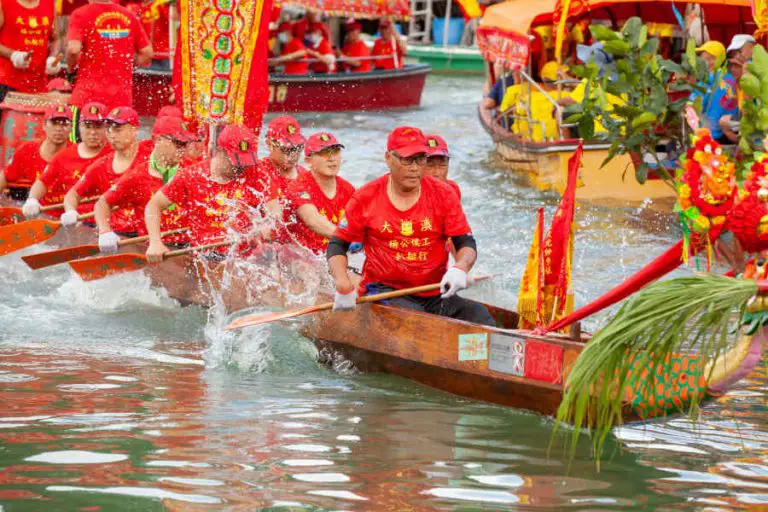
The Dragon Boat Festival is one of the most popular festivals in Chinese culture and in China, it is considered as important as other big Chinese festivals (Spring Festival/Chinese New Year, Lantern Festival, and Ching Ming Festival, among others)

The Ching Ming Festival is considered one of the most important festivals in Chinese culture. Yes, it's not as big as the Chinese New Year (Spring Festival) or the Lantern Festival, but the Ching Ming Festival is still considered a sacred tradition upheld by many Chinese people and those of Chinese descent.

The lantern festival is one of the most important festivals in Chinese culture. Also known as 元宵節; Yuánxiāo jié (translated into the Yuan Xiao Festival), this festival is celebrated on the 15th day on the first month of the Chinese Lunar Calendar, or in short, 15 days after the Chinese New year. As we know, Chinese traditional festivals are based on the Lunar Calendar instead of our day-to-day Gregorian Calendar. Since the Lunar Calendar has only 354 days instead of 365 days in the Gregorian calendar, the Lantern Festival is celebrated on different Gregorian dates every year, but always between February and March.

