Every culture has its own rules and superstitions about gift-giving. Chinese culture is not an exception. Sharp objects, lucky numbers, colors, objects that attract evil spirits or bad luck, and many more, are all part of traditional Chinese gift-giving superstitions.
These superstitions have been transmitted throughout the generations, and each of them has its own unique reasoning behind it.
Some of them may seem silly but gift-giving is all about making the recipients feel nice and letting them know you thought of them. So make sure you do not give the wrong gift.
Thus, when you want to choose a gift for a Chinese friend, be sure to pay attention to these Chinese gift-giving superstitions.
1. Knives and other Sharp Objects
Knives and other sharp objects convey a sense of danger because of their sharpness. But for Chinese people, it is more than this. A common Chinese saying 一刀两断 (yì dāo liǎng duàn) which literally means “one knife, two halves”.
So by giving your Chinese friend a sharp object, you may inadvertently send a message that you want to cut off your relationship with him.
2. Gifts in sets of four
The number four, in Chinese, (四 sì ) has a similar pronunciation to death (sǐ 死). Thus, anything with this number is considered unlucky.
The same goes for 14, 44, 444, and so on. So, avoid giving gifts that the quantity meets these numbers. Complying with the exact same reasoning in some buildings and hotels, there is no fourth floor.
3. Shoes
Giving shoes as a gift is associated with another superstition. Primarily the whole idea comes from the Chinese word for shoes (鞋 xié) which sounds similar to evil (邪 xié ).
So giving someone a pair of shoes is like giving them a bad spirit. Additionally, it is believed that it sends the message of ending your relationship. Therefore, it is an inappropriate gift for dating couples. However, this superstition does not apply to close family members.
Check out our “Free Culture Library“. We have compiled some great free resources, about Chinese culture, for your research.
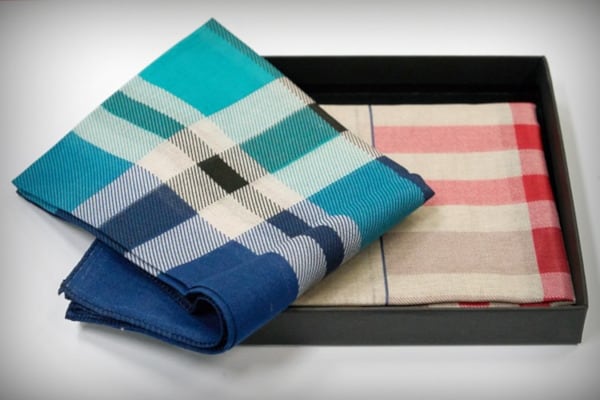
4. Handkerchiefs
Handkerchiefs are gifts that are usually given at the end of a funeral as a farewell greeting. So, giving handkerchiefs is like saying goodbye forever. Of course, it is another inappropriate gift between dating couples.
5. Clocks
The Chinese language is again responsible for this superstition. This time, the phrase ‘giving a clock’ (送钟 sòng zhōng ) sounds just like the phrase for ‘attending a funeral ritual’ (送终 sòng zhōng).
Additionally, clocks symbolize the truth of time passing by. It is a reminder that all relationships and eventually life have an end. It is one of the biggest superstitions in Chinese gift-giving culture. It is especially inappropriate if the recipient is an elderly person.
Many modern gift-givers might consider luxury watches acceptable or even prestigious gifts. However, giving a watch to an elderly person is still largely taboo. In addition to the funeral connotation, it may symbolize the ticking away of one’s remaining time — a reminder of mortality. For younger recipients, watches can be more acceptable if gifted in a business context, especially if the brand or model symbolizes success and ambition.
6. Pears
Giving fruit baskets is a common gift in China. Pears are the exception. This is because the word for ‘pears’ (梨 lí ) sounds just like the word for leaving (离 lí), which implies the connotation of separation. So be sure to remove the pears from the fruit basket when you plan to give them as a gift.

7. Chrysanthemums and White flowers
Flowers are a generally accepted gift. But yellow chrysanthemums and white flowers are exceptions because they represent death. They are traditionally used as a gift for funerals. White is a color for funerals and therefore unlucky. So, you can’t give these particular flowers as gifts for a happy moment.
8. Umbrellas
It is common sense that if it rains, it is appropriate and polite to offer an umbrella to a friend. But if you give it as a gift it has a different meaning.
The language again, the Mandarin and Cantonese word for ‘umbrella’ (伞 sǎn ) sounds similar to the word for ‘ separate’ (散 sàn). So, giving your friend an umbrella as a gift indicates that you want to end your relationship with him(or her).
Even worse if you give an umbrella as a present to a married couple since it indicates that you wish them to get a divorce.
Related Reading: “Chinese Umbrellas – History and Facts” – Opens in a new tab.
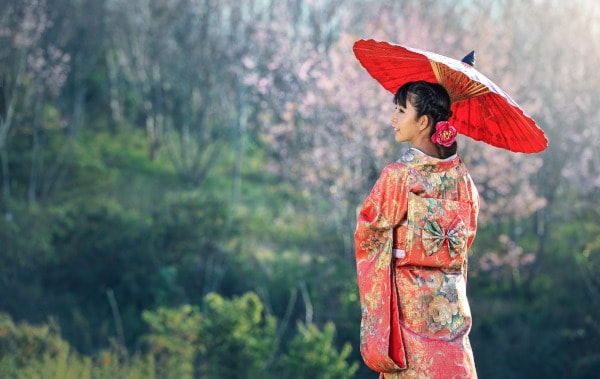
9. Things in black or white
So far we have seen the sensitivity of Chinese people to everything about death. This sensitivity (again) is the origin of this superstition. Black (黑色 – hēi sè) and white (白色 – bái sè) colors are used at funerals and as consequence are associated with bad luck. In particular, white is considered the color of sadness, and black is the color of mourning.
Thus, black or white gifts or wrapping paper of these colors should be avoided. On the contrary, red is the lucky color in China, so it is always a great choice for envelopes, gifts, or wrapping paper. (Read our article on red envelopes which contains detailed information about them.-opens in a new tab)
10. Mirrors
In many cultures across Asia, mirrors are not a good idea for gifts. It is believed that mirrors attract evil spirits. So, giving a mirror as a gift could cause negative changes in the recipient’s life. Moreover, if the mirror breaks, it is considered a bad omen.
Related reading: “Chinese Good Luck Charms To Bring Good Fortune” –Opens in new tab
11. Wallet
Giving a wallet as a gift between lovers or married couples is acceptable, but you can’t give it to someone else. This superstition is due to their belief that offering a wallet as a gift could bring bad luck to their financial status.
12. Belts, Necklaces
Necklaces, ties, and belts are considered gifts to be given between couples (married or not). They are gifts for intimate relationships. So this is not the right gift for regular friends.
13. Green Hats
Green hats have a very strange and special meaning in China. There is a metaphor “to wear a green hat” (戴绿帽 dài lǜ mào) associated only with men and means that a man’s wife or girlfriend is unfaithful. So if you intend to give a hat to a Chinese friend make sure it is not green.
Check out our “Free Culture Library“. We have compiled some great free resources, about Chinese culture, for your research.
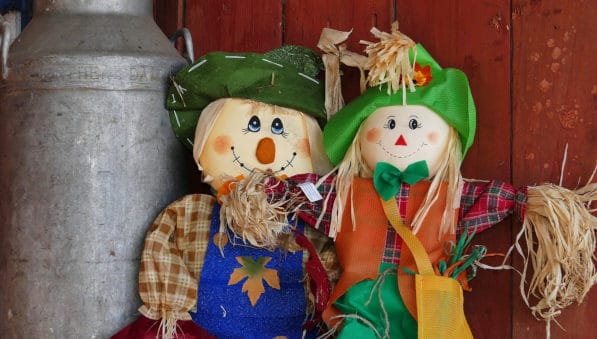
14. Antiques, Old Gems and Cloth Dolls
Antiques and old gems can be valuable, but they are not good gift choices according to Chinese customs. This is because of the superstition that these kinds of objects easily attract evil spirits to live in them.
The same goes for cloth dolls. Some people consider cloth dolls as “vile characters” (小人) which attract evil spirits.
15. Candles
Chinese people are mostly using candles during prayer time and rituals for the dead. Thus, giving candles as presents is not a good idea.
16. Gifts Involving the Number Eight
While the number four (四 sì) is to be avoided due to its association with death (死 sǐ), the number eight (八 bā) is highly auspicious in Chinese culture. It sounds like the word for wealth or fortune (发 fā, as in 发财 fācái).
Giving gifts in sets of eight or including the number eight in price tags, packaging, or even the date of giving is considered extremely lucky. For example, eight peaches in a gift basket or an ¥888 gift card would be seen as symbols of prosperity and goodwill.
17. Acceptable and Popular Gifts in Chinese Culture
While it’s important to avoid taboo items in Chinese culture, there are many gifts that are not only acceptable but also carry positive symbolism. Here are a few well-received and culturally meaningful options:
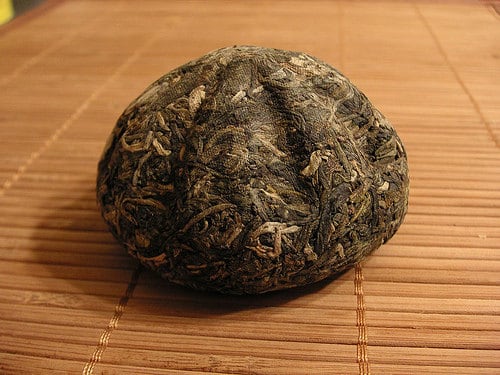
- Tea (茶): High-quality loose-leaf tea, especially in elegant tins, is a respectful and traditional gift that symbolizes purity and harmony.
- Tonic foods and health supplements: Gifts like bird’s nest, ginseng, or goji berries are particularly favored when visiting elders, symbolizing care and longevity.
- Fruits (other than pears): Oranges, tangerines, and apples are all welcome gifts. Oranges and tangerines represent wealth and luck, especially during Lunar New Year.
- Red envelopes (红包 hóngbāo): While often reserved for special occasions like weddings or Chinese New Year, red envelopes containing money are still one of the most culturally appropriate and symbolic gifts — especially if given in even numbers or ending in 8.
18. Feng Shui Considerations in Gift-Giving
Feng Shui (风水) principles also play a role in Chinese gift etiquette. Gifts that disrupt energetic balance or introduce conflicting elements can be seen as unlucky:
- Wind chimes: Though popular in Western decor, these can be associated with calling spirits in Chinese metaphysics, and may be inappropriate unless the recipient practices Feng Shui and appreciates the symbolism.
- Plants with thorns: Such as cacti or roses, are avoided because thorns are considered to invite conflict or “cut” the relationship.
- Fish-related items: On the other hand, items depicting fish (鱼 yú) are well-received because the word sounds like “abundance” or “surplus” (余 yú). A framed koi fish painting or a decorative item with fish motifs can be a very auspicious gift.
19. Corporate Gift-Giving Nuances
In business contexts, gift-giving carries its own set of unspoken rules:
- Do not give overly expensive gifts: It can be interpreted as a bribe, especially in government or official settings.
- Logo placement: If your company is giving promotional gifts (like calendars, pens, etc.), the branding should be discreet and tasteful.
- Hierarchical sensitivity: In formal business settings, gifts are typically presented to the highest-ranking person first.
- Reciprocity is expected: When receiving a gift, particularly in business, it’s customary to return the gesture later with a gift of equal or slightly higher value.
Some more Gift-giving Facts
- In Chinese culture, red traditionally symbolizes good fortune and happiness. But, you should never write a Chinese person’s name in red ink, as some people believe it will bring that person bad luck.
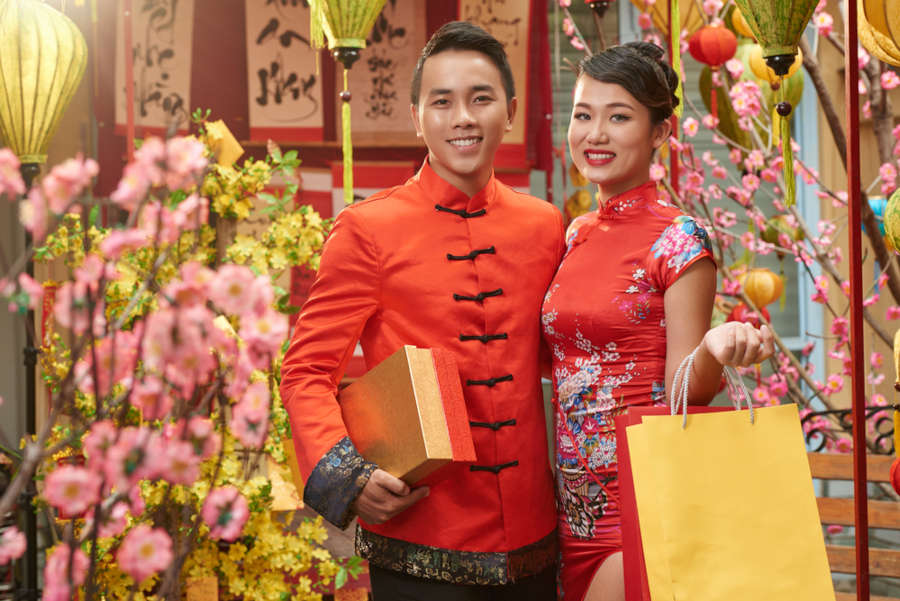
- The gift should be nicely wrapped, preferably with red or gold wrapping paper.
- If you give presents to seniors or people who have a higher social status than you, always present it with both hands as a way to show respect
- Chinese culture puts much more value on symbolism and the presentation of a gift than the gift itself.
- Opening the presents and giving comments about it is considered rude and disrespectful in Chinese culture.
- One of the traditional gift-giving rules is that Chinese people must typically decline a gift two or three times before accepting it.
Related reading: Chinese Habits Westerners May Not Understand – Opens in new tab
Stay in Touch
 Join our newsletter by using the forms on this website or click here!
- Follow us on Google News
- Follow us on Facebook



Feature Image from Depositphotos
Share it!