Category Culture

The pine tree in Chinese culture

The Mystical Pine Tree: A Timeless Symbol of Strength in Chinese Culture & Feng Shui

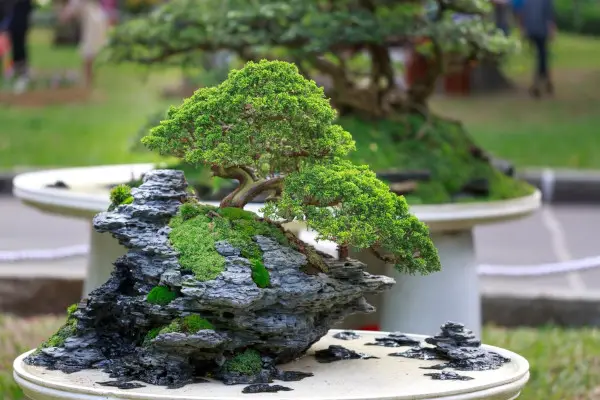
Standing tall through the harshest winters, the pine tree, known as song (松) in Chinese, is a symbol of unwavering strength, resilience, and longevity. Unlike other trees that wither in the cold, the pine remains vibrant and green, embodying endurance in the face of adversity. In Chinese culture, this evergreen nature has long been admired, making the pine tree a revered emblem of steadfastness, wisdom, and vitality.

Read MoreThe Mystical Pine Tree: A Timeless Symbol of Strength in Chinese Culture & Feng Shui
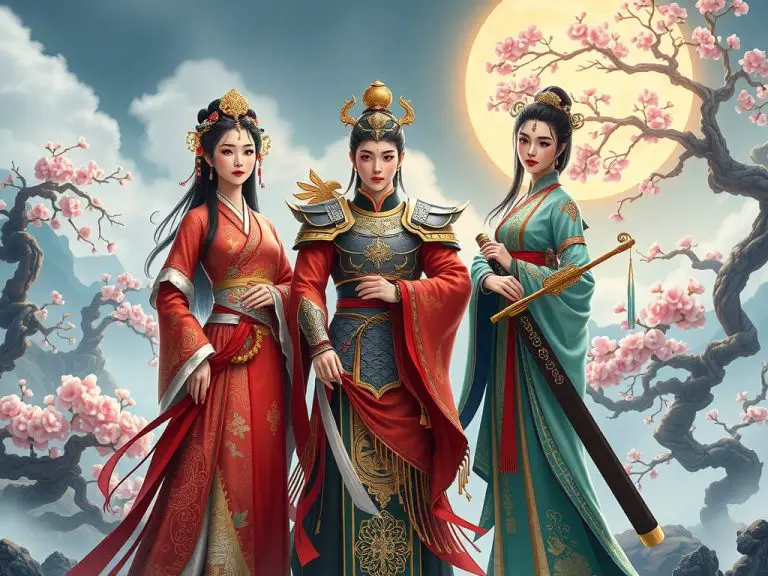
Nüwa: The Mother Goddess of Chinese Mythology

Unveiling Nüwa: The Mother Goddess of Chinese Mythology

Nüwa (女媧), revered as one of the most prominent figures in Chinese mythology, stands as a symbol of creation, harmony, and resilience. She is often celebrated as the mother goddess who shaped humanity and safeguarded the natural order of the world. Nüwa’s enduring legacy spans thousands of years, her tales woven into the fabric of Chinese culture and spirituality.

Read MoreUnveiling Nüwa: The Mother Goddess of Chinese Mythology
Traditional Chinese String Instruments

7 Traditional Chinese String Instruments: History and Facts

Music has been a very important part of Chinese history and tradition. Even today, Chinese music still has that distinct characteristic that isn’t found anywhere else, mainly due to the unique sound of the traditional Chinese string instruments. Below, we will discuss some of the most popular Chinese string instruments that have been passed from generation to generation.

Read More7 Traditional Chinese String Instruments: History and Facts
Chinese Lantern Festival

Chinese Lantern Festival (History, Legends, and Traditions)

The lantern festival is one of the most important festivals in Chinese culture. Also known as 元宵節; Yuánxiāo jié  (translated into the Yuan Xiao Festival), this festival is celebrated on the 15th day on the first month of the Chinese Lunar Calendar, or in short, 15 days after the Chinese New year. As we know, Chinese traditional festivals are based on the Lunar Calendar instead of our day-to-day Gregorian Calendar. Since the Lunar Calendar has only 354 days instead of 365 days in the Gregorian calendar, the Lantern Festival is celebrated on different Gregorian dates every year, but always between February and March.

Read MoreChinese Lantern Festival (History, Legends, and Traditions)
Chinese bride

More Than Just a Wedding: Unveiling the Cultural Significance of Chinese Marriage Customs

In ancient China, marriage was more than a union of two individuals; it was a sacred and significant event deeply rooted in tradition and symbolism. A wedding was considered one of the "Three Joys" (三大喜事) of life, alongside success in the imperial examinations and the birth of a son. Marriage was not merely a personal milestone but a communal celebration and a reflection of the family’s status and prosperity.

Read MoreMore Than Just a Wedding: Unveiling the Cultural Significance of Chinese Marriage Customs
Peonies in Chinese Culture and Feng Shui

Peonies in Chinese Culture and Feng Shui (History, Meaning, How to use it)

Peony is a traditional flower symbol in China. The Chinese word for it, 牡丹 (mǔdān), means "the most beautiful." However, this flower has at least two different Chinese names. One of them is fùguìhuā (富貴花), which means "flower of riches and honor," and "King of the Flowers" (花王 - huawang) is the other one. Peonies are a popular element in classical Chinese painting and are also associated with several religious festivals.

Read MorePeonies in Chinese Culture and Feng Shui (History, Meaning, How to use it)