Tag Chinese History

Chinese Characters

Fascinating Information About Chinese Characters (How Many – Evolution – How to type them…)

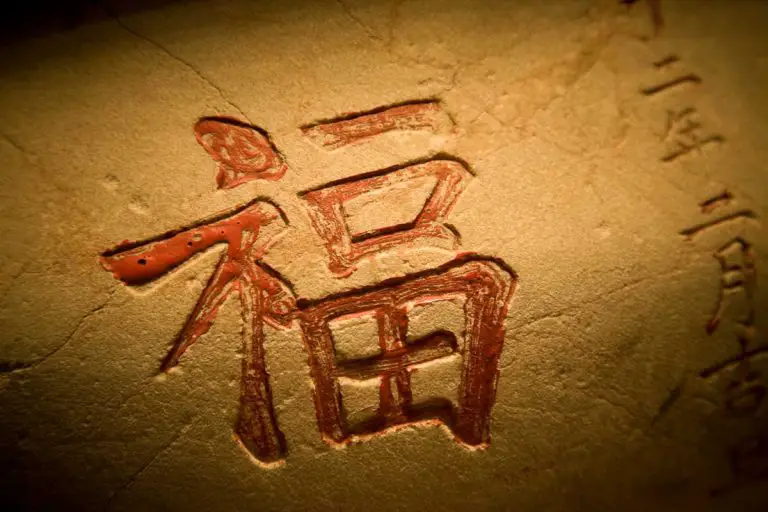
Chinese characters, or Hanzi (汉字), are an intriguing component of the Chinese language that plays an important part in its written form. Chinese characters, unlike alphabetic scripts, are ideograms, which means they represent ideas or concepts instead of sounds. So, people who speak different Chinese dialects can all read the same character. This makes it a unifying force in China.

Read MoreFascinating Information About Chinese Characters (How Many – Evolution – How to type them…)
Chinese Abacus

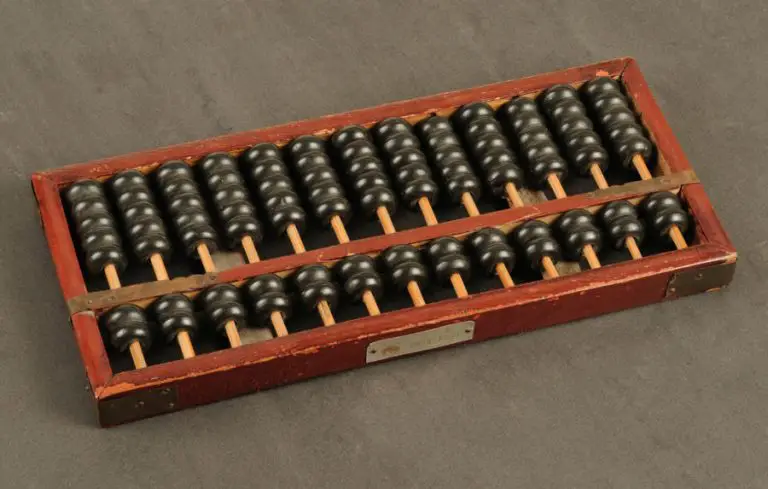
The Chinese Abacus (Suànpán):  The Ancient Calculator That Outsmarted Time

The existence of Chinese abacus can be dated back from the 14 century A.D. And since Chinese are known to relate their ways of like to its environment the attributes such as the top and bottom are considered heaven and earth respectively. The counting of the beads or the computation is done by moving each bead in either up and down manner towards the beam.

Read MoreThe Chinese Abacus (Suànpán):  The Ancient Calculator That Outsmarted Time
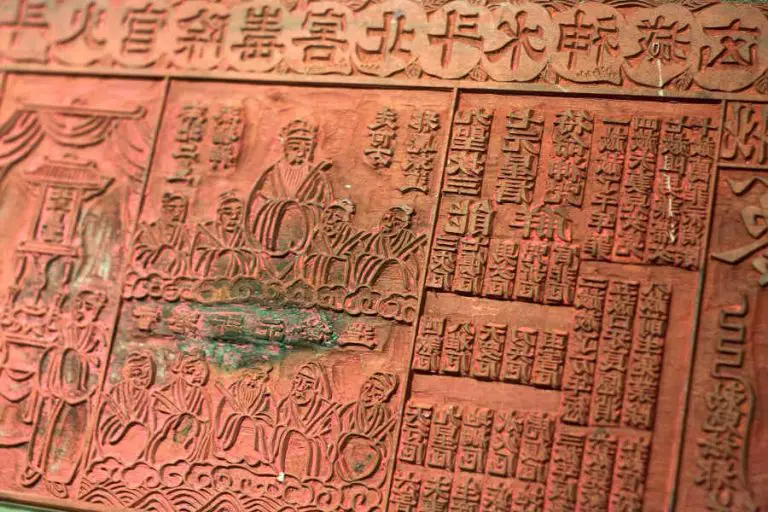
Collection of old Chinese wooden typescript letters

How Old is the Chinese Language? – A Brief History from Archaic to Mandarin

Chinese is one of the oldest languages in the world. It has been around for more than 5,000 years, and in that time it has changed and grown a lot, leading to many different regional dialects and variations.
Linguists still argue about where the Chinese language came from, yet there are several thoughts about how it developed and changed over time.

Read MoreHow Old is the Chinese Language? – A Brief History from Archaic to Mandarin
Owls in Chinese Culture and as Feng Shui Symbol

Owls in Chinese Culture and as Feng Shui Symbol (Meaning, History, Usage)

Owls, because of their association with darkness and nighttime activities, naturally lend themselves to metaphorical connotations linked with the unknown and unseen spirit realm. Because of its nocturnal habit, the owl has a wide range of meanings in many civilizations. Sometimes it signifies good luck and other times it portends bad luck.

Read MoreOwls in Chinese Culture and as Feng Shui Symbol (Meaning, History, Usage)
Fu Dogs the Chinese Guardian Lions

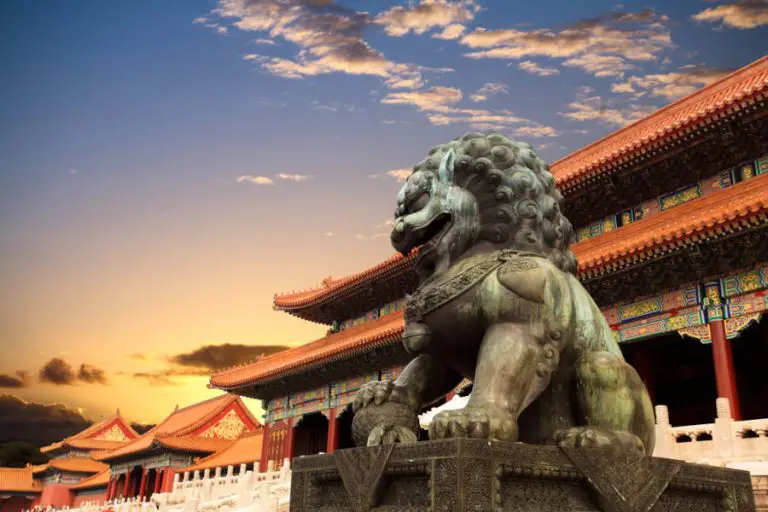
Fu Dogs the Chinese Guardian Lions

Fu Dog the Chinese guardian lion that is also called 石獅shí shī, is a very important symbol in Feng Shui. Historically the Fu Dog statues were placed in front of temples, government offices, and even imperial palaces in ancient China. However, in today’s Feng Shui applications, the Fu Dog is not only believed to be a protective amulet but is also a symbol of social status and family wealth that is often placed in front of wealthy homes.

Read MoreFu Dogs the Chinese Guardian Lions
Baoding Balls

Baoding Balls: History, Benefits, and How To Use Them

Baoding balls, also known as Chinese meditation balls, exercise balls, or sometimes Zen meditation balls, are a pair of relatively small balls, each of them small enough to be held in one hand. Baoding balls are typically used by rolling both them (or sometimes, more) repeatedly in the palm of your hand, where the relative positions of the balls are constantly switching. This exercise is intended to improve finger dexterity, relaxation, as well as aiding the recovery of motor skills and muscle strength after injury.

Read MoreBaoding Balls: History, Benefits, and How To Use Them