
Everything You Need to Know about Chinese Opera
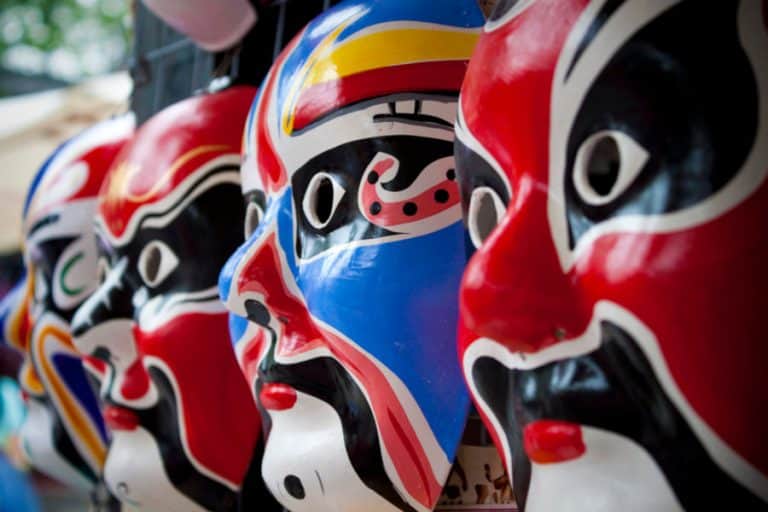
In this article, we explore the specificities of Chinese opera, its rich history and everything you need to know about the symbolism involved in this intriguing art form.


In this article, we explore the specificities of Chinese opera, its rich history and everything you need to know about the symbolism involved in this intriguing art form.


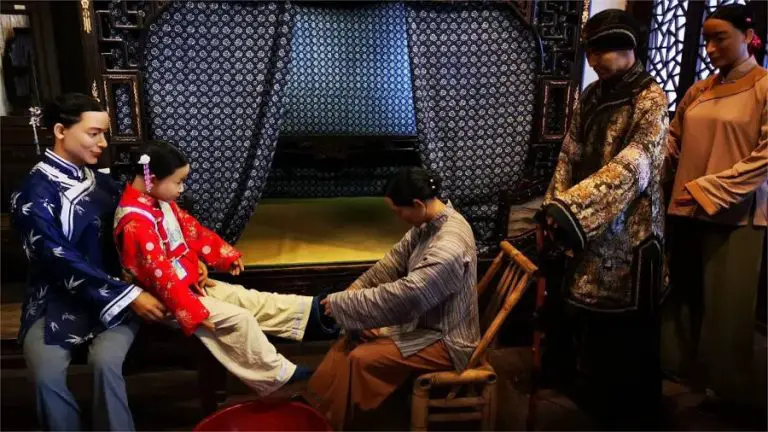
For centuries, one of the most haunting symbols of beauty in Chinese history was something few would dare to call beautiful today: bound feet. Known as “lotus feet,” this tradition altered the lives—and bones—of millions…


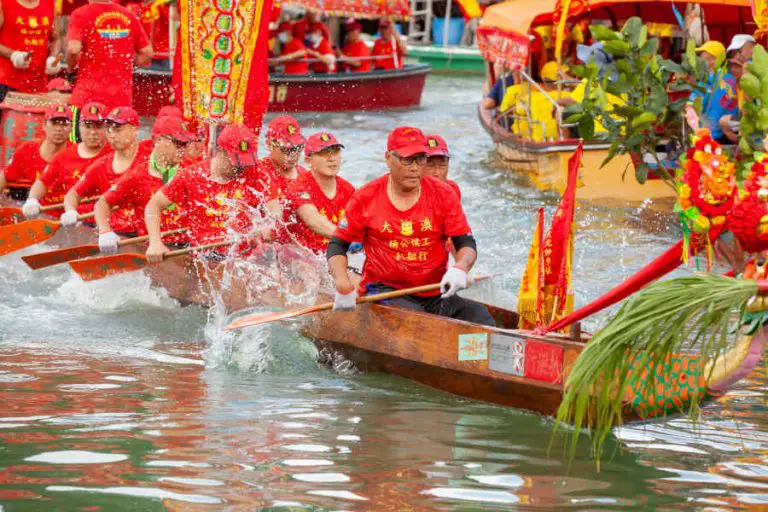
The Dragon Boat Festival is one of the most popular festivals in Chinese culture and in China, it is considered as important as other big Chinese festivals (Spring Festival/Chinese New Year, Lantern Festival, and Ching Ming Festival, among others)


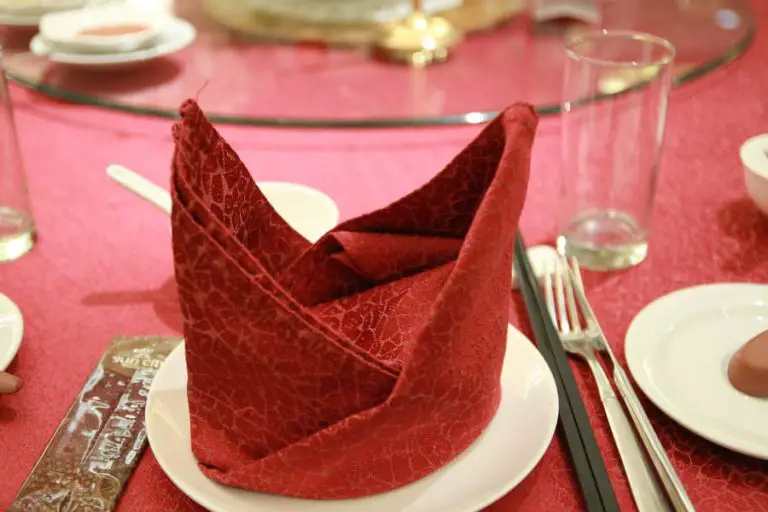
Dining in China is more than just a meal; it's a cultural experience steeped in tradition and symbolism. From the seating arrangements to the way you hold your chopsticks, every detail contributes to a harmonious and enjoyable gathering. Whether you're a seasoned traveler or a curious first-timer, understanding Chinese dining etiquette allows you to navigate the table with confidence, fostering deeper connections with your hosts and fellow diners.


In Chinese culture and Feng Shui practices, the lotus flower (荷花 – héhuā) emerges as a timeless symbol of beauty, purity, and spiritual enlightenment. Revered for centuries, the lotus holds a profound significance in the hearts and minds of the Chinese people, weaving its way through art, literature, religion, and daily life.


Have you ever heard the saying "it's not what you know, it's who you know"? In China, this concept takes on a whole new dimension through the idea of Guanxi (关系, guānxi). Guanxi goes far beyond the simple idea of "connections." Guanxi encompasses a web of interconnected relationships built on trust, reciprocity, and a sense of mutual obligation.


The story of women in ancient China is one of resilience, duty, and quiet strength. Behind the grandeur of emperors, scholars, and warriors stood generations of women whose roles were deeply woven into the fabric…


Family holds a cherished position in Chinese culture, serving as the cornerstone of society and the bedrock of values and traditions passed down through generations. In this article, we delve into the profound significance of family in Chinese culture, exploring its central role in shaping social dynamics, preserving cultural heritage, and fostering intergenerational harmony.


The Ching Ming Festival is considered one of the most important festivals in Chinese culture. Yes, it's not as big as the Chinese New Year (Spring Festival) or the Lantern Festival, but the Ching Ming Festival is still considered a sacred tradition upheld by many Chinese people and those of Chinese descent.


The lantern festival is one of the most important festivals in Chinese culture. Also known as 元宵節; Yuánxiāo jié (translated into the Yuan Xiao Festival), this festival is celebrated on the 15th day on the first month of the Chinese Lunar Calendar, or in short, 15 days after the Chinese New year. As we know, Chinese traditional festivals are based on the Lunar Calendar instead of our day-to-day Gregorian Calendar. Since the Lunar Calendar has only 354 days instead of 365 days in the Gregorian calendar, the Lantern Festival is celebrated on different Gregorian dates every year, but always between February and March.