
Red appears everywhere in China, yet it never feels ordinary. It glows from hanging lanterns on old street corners. It brightens wedding halls filled with laughter. It even wraps itself around New Year wishes tucked inside red envelopes. Wherever it appears, it tells a story — ancient, symbolic, and deeply emotional.
In China, red is more than a color you see. It’s a feeling you recognize. It signals warmth, protection, and celebration. It marks moments of transformation, from the start of a new year to the beginning of a marriage. Even in everyday life, people instinctively turn to red when they want to express hope or share blessings.
This color also carries history in its layers. Its meaning has shifted and expanded over thousands of years, weaving itself into legends, rituals, and cultural identity. Its presence is so natural that many people rarely stop to question why it matters — but once you look closer, you discover a world of symbolism behind every shade.
Red in China isn’t simply a tradition. It’s a cultural heartbeat that continues to influence modern life, from fashion runways to skyscraper lights. And as you explore its journey, you’ll see how one color has shaped celebrations, beliefs, and national pride in a way few others ever have.
The Deep Cultural Roots of Red in China
Red’s story in China starts with nature itself. Early communities saw red in the rising sun, in fire, and in the blood that symbolized life. These powerful associations made the color sacred long before written history. Red represented survival, vitality, and protection, and people used it during important rituals to honor ancestors and ward off misfortune. Over time, this natural reverence transformed the color into a symbol of strength and renewal.
As Chinese civilization developed, red became woven into political and social life. During the Zhou Dynasty, the Five Elements theory linked red with fire, summer, and the south — all symbols of energy and growth. This connection elevated the color’s status and influenced architecture, clothing, and ceremonial practices. In the Han Dynasty, red was used in imperial ceremonies and formal attire, reinforcing its role as a marker of authority and prosperity. Every dynasty added its own nuance, yet the color always held a place of honor.
Chinese mythology further strengthened red’s cultural weight. One of the most beloved stories is that of Nian, the mythical beast said to terrorize villages at the start of each year. According to legend, villagers discovered that Nian feared loud noises, bright lights, and the color red.
They hung red decorations and lit firecrackers to protect their homes, a tradition that shaped the modern Lunar New Year. Other tales link red to divine blessings, heroic victories, and cosmic harmony. Through these stories, red became more than symbolic — it became a guardian woven into the cultural imagination.
| Period/Dynasty | Use of Red | Symbolism/Meaning | Example/Artifact |
| Ancient China | Fire, blood, sun in rituals | Life, power, protection | Early ceremonial objects |
| Zhou Dynasty | Five Elements (Fire, South) | Energy, growth | Ritual robes, official banners |
| Han Dynasty | Imperial ceremonies, formal attire | Authority, prosperity | Red robes, palace decorations |
| Later Dynasties | Continued in art, festivals, and myths | Longevity, celebration | Paper cuttings, lanterns |
Red as a Symbol of Prosperity and Good Fortune
Red holds a special place in China because it represents prosperity, joy, and the welcoming of good fortune. Its positive meaning comes from early beliefs that connected the color with fire, an element seen as powerful and protective. Fire brought warmth, energy, and safety, so red naturally became a symbol that could draw in blessings and push away misfortune. Over many generations, this idea grew stronger, and people began using red as a way to express hope and encourage success in all parts of life.
You can see this symbolism clearly in everyday choices. Many people wear red during important moments — a job interview, a birthday celebration, or the start of a new venture. Red clothing signals confidence and invites luck. Homes also incorporate red through decorative knots, wall hangings, and small accents that brighten a space. Even tiny objects like red bracelets or ribbons carry meaning, serving as daily reminders of protection and positivity.
Because of this deep cultural foundation, red has become a universal expression of joy in China. Whenever there is something to celebrate, red naturally appears. It marks grand openings, family gatherings, and community festivals with the same sense of warmth and excitement. The color instantly communicates happiness without needing explanation. After centuries of shared tradition, red continues to unite people through a common understanding: when red appears, good things are expected to follow.
Red in Major Chinese Festivals and Traditions
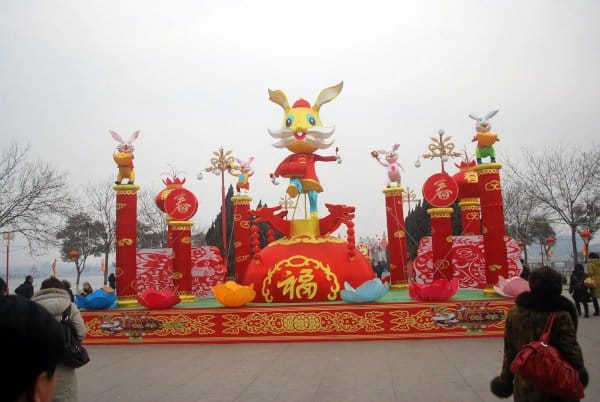
During Lunar New Year, red becomes the color that transforms entire cities. Streets fill with red lanterns, doorways display bold red couplets, and homes glow with ornaments meant to welcome luck. Families choose red clothing to invite a fresh start filled with prosperity. The color’s presence creates a sense of unity, reminding everyone that the year ahead holds possibility and renewal.
Weddings and Celebrations: The Color of Happiness and New Beginnings
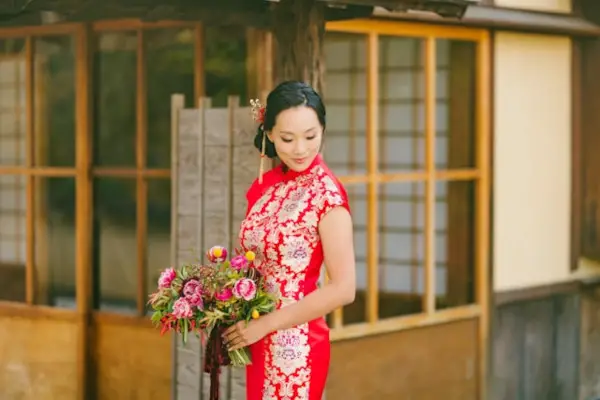
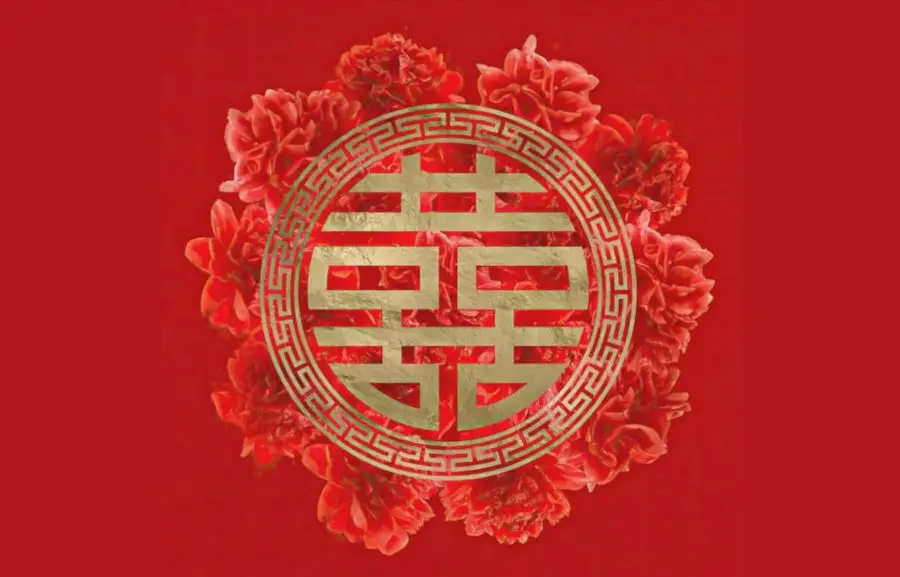
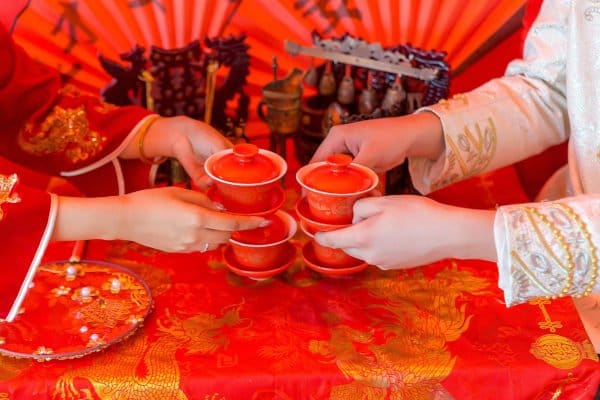
Chinese weddings wrap joyful moments in layers of red. Brides often incorporate red into their dresses or accessories, symbolizing love, fertility, and a bright future. Decorations follow the same theme, with red flowers, banners, and double-happiness symbols setting the tone for celebration. The color carries a blessing for the couple, ensuring their new life begins with harmony and abundant fortune. Red also appears in milestone celebrations like birthdays and anniversaries, turning gatherings into heartfelt expressions of happiness.
Lantern Festivals and Firecrackers: Lighting Up the Night in Red
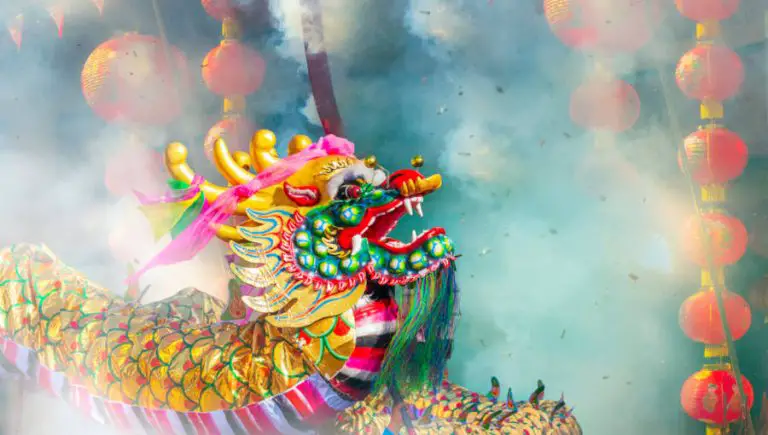
Lantern festivals create some of the most breathtaking displays of red. Delicate lanterns sway above streets and riverbanks, casting warm light that blends tradition with artistic beauty. Firecrackers add energy to the scene, filling the air with sound and flashes of red that are believed to ward off harmful spirits. Together, the lanterns and fireworks create an atmosphere that feels both festive and protective, rooted in customs passed down through generations.
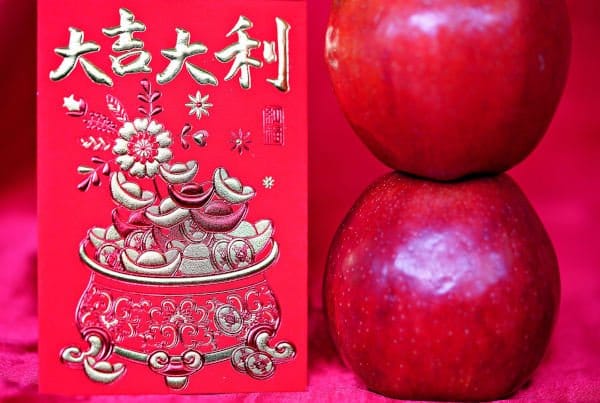
Red Envelopes: The Tradition That Keeps On Giving
Red envelopes, or hongbao, are one of the most beloved traditions in Chinese culture. These envelopes, filled with money, are given during festivals, weddings, and family celebrations. Their purpose goes far beyond the gift itself. The red color symbolizes a heartfelt wish for luck, safety, and well-being. Whether exchanged between elders and children or among friends and colleagues, red envelopes reinforce bonds and carry forward the spirit of generosity that defines many Chinese celebrations.
Red in Chinese Religion and Spirituality
In both Buddhism and Taoism, red stands as a bridge between the earthly world and the divine. It represents vitality, compassion, and the protective forces believed to surround human life. In Buddhist tradition, red often symbolizes the energy of life and the courage needed to overcome suffering. Monks use red in ceremonial items and artwork to express spiritual strength and positive transformation.
Taoism embraces red as well, especially in rituals meant to safeguard homes and individuals. Talismans written in red ink are believed to ward off harmful influences, while red garments or ribbons are used to enhance spiritual balance. Across both traditions, the color acts as a guardian, offering comfort during prayers, ceremonies, and personal devotion.

Temple Architecture and Rituals: Where Red Represents Protection and Blessings
Temples across China reveal the sacred role of red through architecture and ritual design. Many temple gates are painted in deep red tones, welcoming visitors with a sense of warmth and divine protection. The color is deliberately placed at entrances to keep negative forces from crossing into spiritual spaces.
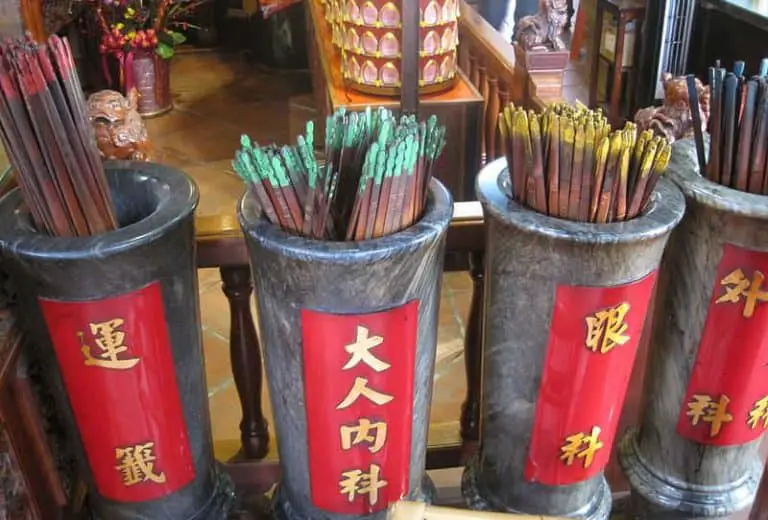
Inside, red banners, lanterns, and altars add to the sense of reverence. These elements highlight important deities, ancestral tablets, or ceremonial offerings. During festivals and temple rituals, red becomes even more prominent. Incense holders, candles, and prayer papers glow with the color, symbolizing blessings, purification, and connection with higher powers.
Through these traditions, red doesn’t just decorate sacred spaces — it defines them, guiding worshippers into a place of peace, reflection, and spiritual safety.

Political and Historical Significance of Red
In modern China, red carries a powerful political identity. It appears on the national flag, public monuments, and major state celebrations, symbolizing unity, resilience, and collective purpose. The color reflects the strength of the nation and the determination of its people to move forward together.
Its presence in public life is so constant that it has become a visual reminder of pride and national confidence. Whether seen in parades, commemorative events, or patriotic symbols, red continues to represent stability and shared aspiration.
Red’s political meaning grew during the early 20th century, when it became tied to revolutionary movements and the call for social change. It was used to represent courage, sacrifice, and the vision of a new future.
Over time, this revolutionary symbolism became deeply embedded in the cultural memory of the country. Red uniforms, flags, and emblems expressed solidarity and collective identity during critical periods of transformation.
Today, these historical associations continue to influence how people interpret the color. Red stands as both a reminder of past struggles and a symbol of progress. It reflects a national story filled with perseverance, making it one of the most recognizable cultural and political colors in the world.
| Era/Period | Use of Red | Symbolism/Meaning | Example |
| Early 20th Century | Revolutionary flags, uniforms | Courage, sacrifice, change | Red flags of revolutionary movements |
| Modern China | National flag, monuments, state events | Unity, strength, national pride | Tiananmen Square ceremonies, public displays |
Red in Chinese Art, Fashion, and Design
Red has long been a favorite in traditional Chinese art, adding emotion, rhythm, and symbolic depth to creative expression. In calligraphy and painting, artists often use red ink for seals, marking their work with a symbol of authenticity and good fortune. These seals balance the composition while adding a touch of auspicious energy.
Porcelain also showcases red as a treasured hue. Although difficult to produce in ancient kilns, red-glazed ceramics became prized pieces, valued for their richness and technical mastery. Folk art, including paper-cutting and festival decorations, embraces red as well, turning simple shapes into vibrant expressions of joy and cultural identity.
Contemporary Fashion: Red as a Bold Cultural Statement
In modern fashion, red continues to stand out as a confident and culturally meaningful choice. Designers incorporate it to honor heritage while creating fresh, contemporary looks. On runways, red garments signal strength and individuality, often blending traditional motifs with modern silhouettes.
Everyday fashion also embraces the color during holidays, milestones, and personal celebrations. Whether worn as a full outfit or through subtle accessories, red allows people to carry symbolic warmth into modern style. It acts as a visual reminder of cultural pride, even in the most minimalist designs.
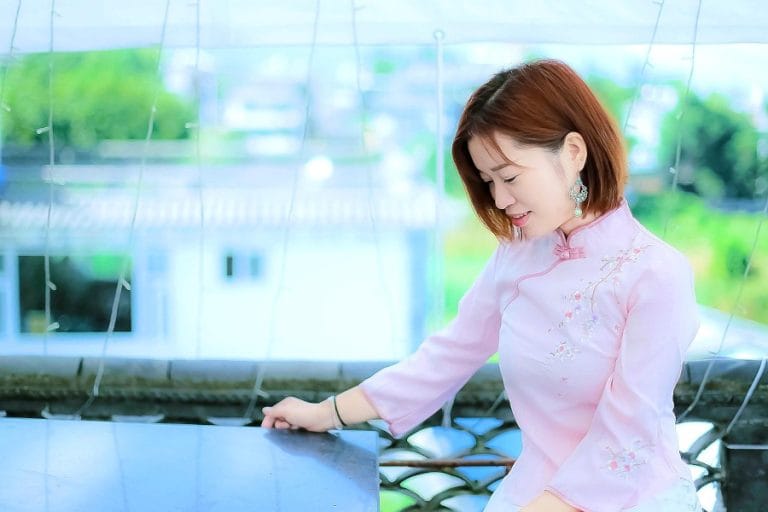
Take a look at these awesome Chinese Qipao Dresses, Qipao Tops and Qipao for Girls– Aff.link
Modern Interior Design: Blending Tradition With Minimalism
Interior design in China has evolved, yet red still finds its place in homes and public spaces. Instead of overwhelming rooms with bright tones, modern designers often use red sparingly — a cushion, a wall accent, or a decorative piece — to create a harmonious balance between tradition and contemporary minimalism.
These thoughtful touches add energy and character without disrupting the clean lines of modern spaces. The color brings a sense of comfort and prosperity, reminding people that even in sleek and quiet interiors, heritage can still shine through in subtle, meaningful ways.
| Domain | Traditional Use | Modern Use | Key Meaning/Effect |
| Calligraphy & Painting | Red seals, ink accents | Rarely used; symbolic pieces | Authenticity, good fortune |
| Porcelain & Ceramics | Red glaze for decorative art | Collector pieces, fusion design | Prestige, technical mastery |
| Fashion | Weddings, festive attire | Runways, streetwear, accessories | Cultural pride, bold expression |
| Interior Design | Altars, festival décor | Minimalist accents, statement pieces | Energy, prosperity, cultural continuity |
Red in Chinese Business and Branding
In the world of Chinese business, red is more than a design choice — it’s a strategic decision. Companies use the color to signal prosperity, growth, and a thriving future. Red storefronts, banners, and grand-opening decorations aim to draw in positive energy and create a sense of momentum.
Many business owners believe that incorporating red into their brand invites financial success, making it a popular choice for logos, shop interiors, and promotional materials. The color sends a clear message: this is a place where good fortune is welcome.
Red also holds strong influence in packaging and marketing. Products wrapped in red often feel more festive, premium, or auspicious to consumers. This is especially true around major holidays, when red packaging instantly signals celebration and good wishes.
Marketers rely on the color’s emotional impact to make products more appealing. A red box or label creates a sense of trust and excitement, helping brands stand out in crowded markets. Whether used in luxury items or everyday goods, red boosts visibility and builds a connection based on optimism and confidence.
As Chinese culture spreads worldwide, the meaning of red travels with it. International brands that want to appeal to Chinese consumers often adopt red elements in their designs, advertising, or store layouts. This thoughtful use of color helps them communicate respect and cultural understanding.
In global fashion, art, and product design, red inspired by Chinese tradition adds a sense of richness and depth. Its symbolism of luck and celebration has become widely recognized, influencing how people around the world perceive both Chinese culture and the products associated with it. Red continues to serve as a bridge between cultures, carrying its message of prosperity far beyond China’s borders.
Regional Variations in the Use of Red
While red is celebrated throughout China, each region adds its own personality to the color. In northern provinces, red often appears in bold, striking forms — from large paper cuttings to elaborate festival banners — reflecting a culture known for its expressive celebrations. Southern regions tend to favor more delicate uses of red, such as intricate lanterns, embroidered fabrics, and finely crafted wedding décor.
Some areas use specific shades of red for unique purposes. For example, parts of Fujian and Guangdong incorporate deeper, almost crimson tones in rituals related to ancestors, while regions in western China may blend red with vibrant patterns influenced by local ethnic groups. These variations give red a diverse cultural footprint, showing how one color can adapt to different histories and lifestyles.
Local festivals across China highlight just how versatile red can be. In Shaanxi, temple fairs burst with red flags and lively performances, creating a high-energy celebration that fills entire streets. In Zhejiang, red lantern festivals transform riverside towns into glowing pathways of light, reflecting a softer and more poetic use of the color.
Ethnic minority groups also contribute to this diversity. Among the Miao, Yi, and Dong communities, red appears in traditional clothing and ceremonial dance, each pattern carrying its own meaning. In Tibet, red plays a prominent role in religious festivals, symbolizing strength and spiritual protection.
These regional expressions show that red is not just a national symbol — it is a living, evolving tradition shaped by the creativity and beliefs of each local culture.
| Region/Province | Common Shade or Style of Red | Typical Applications | Cultural Notes |
| Northern China | Bold, bright red | Paper cuttings, festival banners | Expressive and energetic traditions |
| Southern China | Softer or crimson tones | Lanterns, embroidery | Refined, poetic aesthetic |
| Western China | Mixed with ethnic patterns | Clothing, ritual décor | Influenced by ethnic minority groups |
| Tibet | Deep red in religious festivals | Monastery décor, ceremonial robes | Spiritual protection, strength |
Misconceptions and Myths About Red in China
Because red carries different meanings around the world, misunderstandings often arise when people outside China interpret the color. In many Western cultures, red is associated with danger, warning signs, or intense emotions like anger. This perspective can lead to the assumption that China uses red simply because it is bold or eye-catching.
In reality, the traditional Chinese meaning of red is rooted in positivity. It represents life, warmth, and the promise of good fortune. When red appears during festivals, weddings, or major celebrations, it is not meant to be dramatic — it is meant to express joy, protection, and cultural continuity. Understanding this difference helps bridge cultural gaps and provides a clearer picture of why red holds such a central place in Chinese society.
Although red’s core symbolism remains strong, some interpretations have evolved over time. Modern design uses red more selectively, blending it with contemporary aesthetics while keeping its traditional essence. Younger generations may choose softer or more minimalist shades, but they still turn to red when they want to express luck or celebrate meaningful events.
At the same time, many symbolic uses of red have remained unchanged for centuries. Red envelopes still carry blessings across generations. Wedding décor still relies on red to celebrate happiness and new beginnings. Festivals continue to glow with red lanterns that represent unity and hope.
This balance between old and new allows the color to stay relevant. Red remains deeply rooted in Chinese culture, yet flexible enough to grow with the times.
| Aspect | Chinese Meaning | Western Interpretation |
| Core Symbol | Joy, prosperity | Danger, stop |
| Weddings | Happiness, fertility | Romance (less ritualistic) |
| Politics | Unity + luck | Communism only |
| Business | Wealth attraction | Urgency, sales |
The Enduring Power of Red in Modern Chinese Culture
Red continues to hold a central place in modern Chinese life because it embodies values that remain relevant: optimism, celebration, and cultural identity. Even amid rapid urbanization and global influence, red appears in daily life—from the glowing neon signs of bustling cities to the subtle accents in contemporary homes. It connects people to traditions, reminding them of shared history and communal joy, while also signaling vitality and confidence in a fast-changing world.
Younger generations have embraced red in ways that are both creative and personal. Many incorporate it into fashion, digital content, and social media aesthetics, blending traditional symbolism with modern style. Red is no longer just a ceremonial color; it is a form of self-expression.
For example, students may wear red accessories for exams to attract luck, while young couples might choose red for engagement photos or wedding themes in innovative ways. By adapting the color to contemporary life, these generations ensure that red remains a living, evolving part of Chinese culture—honoring the past while shaping the future.
End Words
Red is more than a color in China—it is a story, a tradition, and a symbol that pulses through every aspect of life. From ancient myths and imperial rituals to modern fashion, business, and celebrations, red carries meanings of luck, joy, protection, and prosperity. It is a bridge between the past and present, connecting generations through shared cultural values.
By understanding red, we gain insight into how the Chinese perceive life, success, and happiness. Its presence in festivals, homes, temples, and public spaces reflects a culture that values vitality, community, and continuity. Even as society evolves, red adapts while retaining its core significance, proving that this vibrant hue is not just decoration—it is the heartbeat of Chinese culture, alive in every celebration, story, and tradition.
Related reading: Wealth Wisdom of the East: Chinese Beliefs and Behaviors for Building Wealth – Opens in new tab
Stay in Touch
 Join our newsletter by using the forms on this website or click here!
- Follow us on Google News
- Follow us on Facebook



Featured Image by Wishrich from Pixabay
Share it!