
In China, the idea of wealth has never been only about money. It’s about balance, harmony, and responsibility. For centuries, Chinese culture has viewed financial prosperity as something intertwined with moral conduct and social harmony. Earning and keeping wealth isn’t just a personal pursuit—it’s part of fulfilling one’s duty to family, community, and future generations.
Unlike the Western idea that celebrates risk-taking and individual achievement, Chinese financial wisdom grows from collective values. It emphasizes stability over speed, discipline over impulse, and long-term planning over short-term gain. Money, in this cultural view, is not merely a tool for comfort—it’s a measure of self-cultivation and a foundation for lasting peace of mind.
Traditional Wisdom Shaping Modern Habits
Even in today’s fast-paced digital economy, traditional Chinese wisdom continues to guide how people earn, save, and invest. Many of these customs come from philosophies that are thousands of years old—Confucianism, Daoism, and even folk beliefs passed down through generations.
Modern Chinese families may use smartphone payment apps and invest in global markets, but the guiding principles remain the same: avoid unnecessary debt, save diligently, and pursue prosperity through honest work and social harmony. The belief that fortune favors the disciplined still shapes everyday choices—from how people manage money to how they raise their children.
You can see this influence everywhere: in the meticulous budgeting of households, the preference for real estate ownership, and the cultural pride in being financially self-reliant. Even new entrepreneurs and young professionals often draw from these ancient roots, blending traditional values with modern ambition.
Core Principles Behind Financial Prosperity
At the heart of Chinese wealth-building lies a network of cultural values that define the relationship between money and meaning.
- Virtue and Ethics: True wealth is built on honesty, respect, and good character. Prosperity gained without virtue is seen as unstable and undeserved.
- Frugality and Discipline: Saving is a virtue, not a sacrifice. It represents foresight and self-control—qualities admired across generations.
- Family and Responsibility: Financial success is meaningful when it supports parents, educates children, and uplifts the family name.
- Harmony and Balance: Wealth should never disrupt one’s peace or moral integrity. The ideal life balances material abundance with inner contentment.
These timeless ideas continue to thrive in modern China and among Chinese communities worldwide. They remind us that wealth is not merely accumulated—it is cultivated, with patience, purpose, and respect for the values that make prosperity truly sustainable.

The Philosophical Roots of Prosperity
Confucian philosophy has shaped Chinese attitudes toward wealth for over two thousand years. It teaches that financial prosperity, when earned through honest means, can be a noble pursuit. Wealth is not seen as something shameful or greedy, but as a tool that allows a person to care for their family, serve their community, and contribute to social harmony.
In Confucian thought, money becomes meaningful only when it serves a higher moral purpose. A virtuous person uses wealth to fund education, support elders, or help those in need. This belief links prosperity directly to moral responsibility—suggesting that success achieved without integrity will not last.
Confucius also warned against letting the desire for riches outweigh ethical conduct. To him, righteousness came before profit. A quote from The Analects captures this perfectly: “The superior man understands what is right; the inferior man understands what is profitable.” This mindset still echoes in Chinese business culture today, where trust, fairness, and reputation often matter more than aggressive financial tactics.
Balancing moral virtue and financial ambition remains a cornerstone of Chinese financial philosophy. The wealthiest are respected not just for what they have, but for how they earned it and how they use it to uplift others.
Daoist Perspectives on Abundance and Flow
While Confucianism emphasizes structure and virtue, Daoism brings a softer, more fluid approach to prosperity. Daoist wisdom views wealth as part of the natural flow of life—something to be guided, not forced. The famous principle of “Wei Wu Wei” (action through inaction) teaches that success arises when we act in harmony with the natural order rather than against it.
In the context of business and finance, this doesn’t mean doing nothing. It means avoiding unnecessary struggle and allowing opportunities to unfold naturally. A Daoist entrepreneur seeks balance—making decisions with calm intuition rather than constant control. When energy, timing, and effort align, results come effortlessly, much like water finding its path around obstacles.
Daoism also encourages detachment from greed. Clinging too tightly to wealth creates tension and imbalance. True abundance, in this view, comes from inner contentment and the ability to adapt. When people approach wealth creation with patience and openness, they allow prosperity to flow freely into their lives, just as rivers nourish the land.
Together, Confucianism and Daoism form a powerful foundation for Chinese wealth philosophy—one rooted in virtue, balance, and harmony. They remind us that lasting prosperity comes not from relentless pursuit, but from living and working in accordance with moral principles and the rhythms of life itself.
Core Cultural Values Driving Wealth Accumulation
Frugality has long been one of the most admired virtues in Chinese culture. It reflects wisdom, discipline, and respect for resources. Rooted in centuries of living through hardship and scarcity, the habit of saving is deeply woven into the national psyche. Older generations who experienced famine, war, or poverty taught their children that every grain of rice, every coin, and every opportunity must be valued.
This mindset persists even in times of abundance. A person who spends carefully and avoids waste is often seen as prudent and intelligent rather than stingy. Bargain-hunting, for example, is considered a mark of financial acumen—a demonstration of someone who knows the worth of things and can stretch resources wisely.
In daily life, this principle translates to behaviors like comparing prices, delaying luxury purchases, and saving windfalls rather than spending them. Frugality is not about denial but about foresight—preserving today’s earnings to create tomorrow’s stability. It’s a quiet strength that underpins much of China’s remarkable household wealth accumulation.
Filial Piety and Family Financial Security
At the heart of Chinese financial behavior lies filial piety, the Confucian value of respect and devotion to one’s parents and ancestors. In practical terms, this means that financial decisions are rarely made for the individual alone—they are made for the entire family, across generations.
Children are raised with the understanding that part of their duty, once successful, is to support their aging parents. At the same time, parents see it as their responsibility to invest heavily in their children’s education and future success. This cyclical exchange of care and resources forms the foundation of family-based financial security.
Wealth, in this sense, is a shared legacy. Skills, savings, and business knowledge are passed down, creating a chain of financial continuity. Many Chinese families work together to buy homes, start businesses, or build long-term investments, ensuring stability for the next generation. This collective approach transforms money into a living expression of love, duty, and hope for the family’s enduring prosperity.

The Social Symbolism of Wealth and Success
In Chinese society, wealth has long carried deep symbolic meaning beyond material comfort. Financial success represents not only personal achievement but also honor for one’s family. A prosperous household brings pride to ancestors and earns respect within the community.
However, cultural wisdom also teaches moderation in displaying wealth. There’s an unspoken rule of humility—fu bu ke xian (fortune should not be flaunted). While it’s acceptable to show signs of prosperity through quality clothing, home upgrades, or gifts, open boasting is discouraged. True respect comes from quiet confidence, generosity, and social contribution.
Still, financial success remains a powerful marker of status and credibility. In business, a person’s prosperity often signals reliability and competence, attracting more opportunities and trust. Thus, wealth becomes both a private comfort and a public statement—an indicator of diligence, integrity, and family honor.
Practical Financial Behaviors for Building Capital
In China, saving is not just a financial habit—it’s a cultural instinct. Across generations, the act of setting aside money represents stability, self-discipline, and preparedness for life’s uncertainties. This strong saving mentality helps explain why Chinese households consistently maintain some of the highest savings rates in the world.
Several factors drive this behavior. Historically, limited social welfare and unpredictable economic changes taught people to rely on their own resources rather than external systems. Savings became a personal safety net, ensuring protection against emergencies and giving families a sense of security.
A common expression—“laying the golden egg”—captures the importance of saving for major life milestones, often referred to as the “Three Bigs”: housing, education, and healthcare. Families prioritize saving for a down payment on a home, financing their children’s education, and preparing for medical expenses. Each goal reflects both practicality and deep family responsibility.
For many, saving is not about hoarding wealth but about building a foundation for the future. It’s a quiet, patient approach to prosperity—one that values endurance over extravagance.
Debt Aversion: Cash Is King
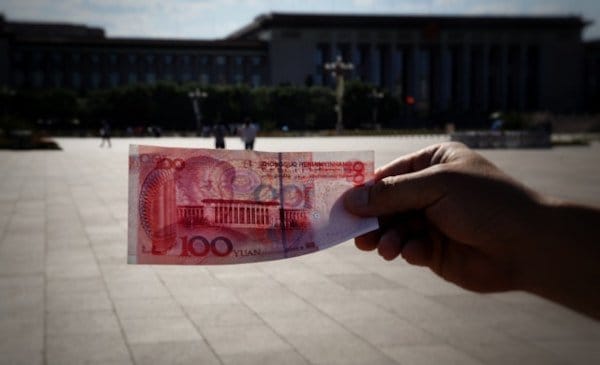
Traditional Chinese culture views debt with caution, often associating borrowing with loss of independence or instability. The proverb “you lose sleep when you owe money” captures this sentiment perfectly. Financial freedom, in the Chinese mindset, means living within one’s means and avoiding the burden of owing others.
For this reason, many households prefer to pay for major purchases in cash, even when credit options are available. This approach minimizes financial risk and creates a stronger sense of control. While modern life has introduced credit cards and online loans, the instinct to stay debt-free remains deeply rooted.
This conservative approach may seem old-fashioned in a world that encourages spending and borrowing, but it has protected many Chinese families from financial crises. By prioritizing savings and minimizing debt, they maintain flexibility and security—qualities essential for long-term wealth accumulation.
The Entrepreneurial Spirit: From Employee to Boss
Entrepreneurship runs deep in the Chinese spirit. For centuries, merchants and small business owners have been the backbone of the economy, guided by the belief that self-reliance brings both freedom and dignity. Even today, many see starting a business as the ultimate path to financial independence and family success.
Employment, in this view, is often seen as a stage of learning—a place to gain experience, observe the market, and develop essential skills before striking out on one’s own. The goal isn’t just to earn a salary, but to build knowledge and connections that will later support self-employment.
This mindset explains the remarkable rise of small and medium-sized enterprises across China, from local shops to global brands. The drive to “be your own boss” reflects more than ambition; it’s an expression of control over one’s destiny and a way to create prosperity that can be passed down through generations.
Hard work, adaptability, and calculated risk-taking define this entrepreneurial ethos. Combined with thrift and discipline, it forms one of the most powerful engines of wealth creation in Chinese culture.
The Power of Networks and Relationships
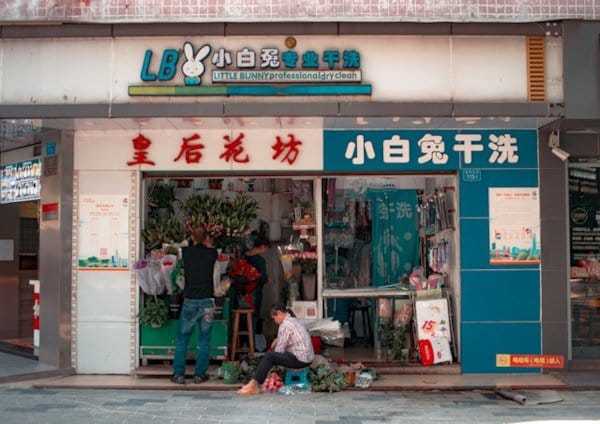
In Chinese culture, relationships often hold more power than contracts or credentials. This intricate network of personal connections—known as guanxi (关系)—is a cornerstone of both business success and social stability. It represents a form of social capital built on mutual trust, loyalty, and obligation.
Guanxi is not simply about knowing people; it’s about cultivating long-term, reciprocal relationships. When someone helps you, you are expected to return the favor when the time comes. This exchange of goodwill and resources builds deep bonds that can open doors to opportunities, partnerships, and valuable information.
In business, guanxi can be the key to navigating bureaucracy, securing clients, or gaining introductions to influential figures. But it also operates in everyday life—helping someone find a job, negotiate a deal, or access better education for their children. These networks are woven with sincerity and patience, as genuine guanxi takes years to build and moments to lose.
At its heart, guanxi reminds us that wealth and success in Chinese society are rarely achieved alone—they are cultivated through community, respect, and reciprocity.
Building Trust and Credibility (Xin) in Financial Dealings
Alongside guanxi stands another vital value: xin (信), meaning trust or credibility. In Chinese financial culture, xin is often more powerful than any written contract. A person’s word and reputation carry immense weight. Deals are frequently made on the strength of character and long-standing relationships rather than on purely legal terms.
Why? Because trust creates efficiency. When people know your integrity is solid, they are more likely to extend opportunities, offer better terms, or support you in difficult times. In traditional markets, handshake agreements based on xin were often considered more reliable than official paperwork.
However, building xin is a long-term process. It requires consistency, honesty, and follow-through. Reputation spreads quickly within communities, and once broken, trust is difficult to rebuild. For this reason, many Chinese entrepreneurs and professionals place enormous emphasis on reliability—delivering on promises, paying debts promptly, and honoring commitments.
In a culture where relationships form the backbone of commerce, maintaining xin is not just good ethics—it’s smart business.
Openness About Money: Salaries and Financial Standing
Unlike in many Western cultures where money talk is considered private, Chinese people are often more open about discussing income, spending, and financial goals. This transparency is not about boasting—it’s about understanding social and economic position within one’s circle and community.
Talking about salaries or investments can help people benchmark their progress and make informed financial choices. It also reflects a collective mindset: financial information, when shared, can help friends or relatives make better decisions and avoid mistakes. For example, family members may openly discuss property prices, savings strategies, or stock market experiences to guide one another.
This openness fosters a culture of shared financial learning and accountability. When success stories are shared, they inspire; when failures are discussed, they educate. The result is a collective growth mindset where wealth is viewed not just as individual achievement, but as a shared pursuit within a trusted network.

Ancient Practices and Superstitions for Attracting Wealth
For thousands of years, the Chinese have believed that the arrangement of one’s environment directly influences fortune and success. This ancient art, known as Feng Shui (风水), literally means “wind and water.” It is based on the idea that energy—qi—flows through every space, and when properly directed, it can enhance health, harmony, and financial abundance.
One of the most well-known Feng Shui practices for wealth is activating the “Wealth Corner”, located in the southeastern area of a home or office according to the Bagua energy map. This area symbolizes prosperity and growth. People often decorate it with plants, crystals, or symbols of wealth such as gold ingots or coins. Keeping this space tidy and vibrant is thought to attract and retain positive energy for financial success.
Water features are also powerful symbols in Feng Shui. Flowing water represents the continuous movement of wealth and opportunities. A small fountain or aquarium, when placed thoughtfully, can help stimulate the flow of prosperity. However, stagnant or dirty water is believed to block abundance, reminding people that financial energy—like water—must be kept clean, moving, and well-balanced.
Through mindful design and intentional symbolism, Feng Shui turns physical spaces into magnets for opportunity and abundance.
Lucky Symbols and Colors to Invite Riches
Chinese culture is rich with symbols that embody the wish for wealth and good fortune. Among the most famous is the number 8, which sounds like fa (发) in Mandarin—a word associated with prosperity and success. Because of this, addresses, phone numbers, and even car plates containing the number 8 are considered lucky and often highly sought after.
Similarly, the color red is the ultimate symbol of luck, energy, and celebration. Red is believed to drive away misfortune and attract positive energy. During festivals, business openings, or personal milestones, red decorations and clothing are used to invite wealth and happiness.
Many households and businesses also incorporate auspicious objects believed to bring prosperity. The Money Frog (Chan Chu), often depicted with a coin in its mouth, is said to attract wealth when placed facing inward, as if it’s hopping home with riches. Gold ingots, representing ancient Chinese currency, symbolize accumulated fortune. Even certain plants—such as the Jade Plant or Lucky Bamboo—are popular choices for inviting continuous growth and vitality.
These symbols serve not only as decorations but also as constant reminders of optimism, gratitude, and the power of intention in creating wealth.

The Tradition of the Red Envelope (Hongbao)
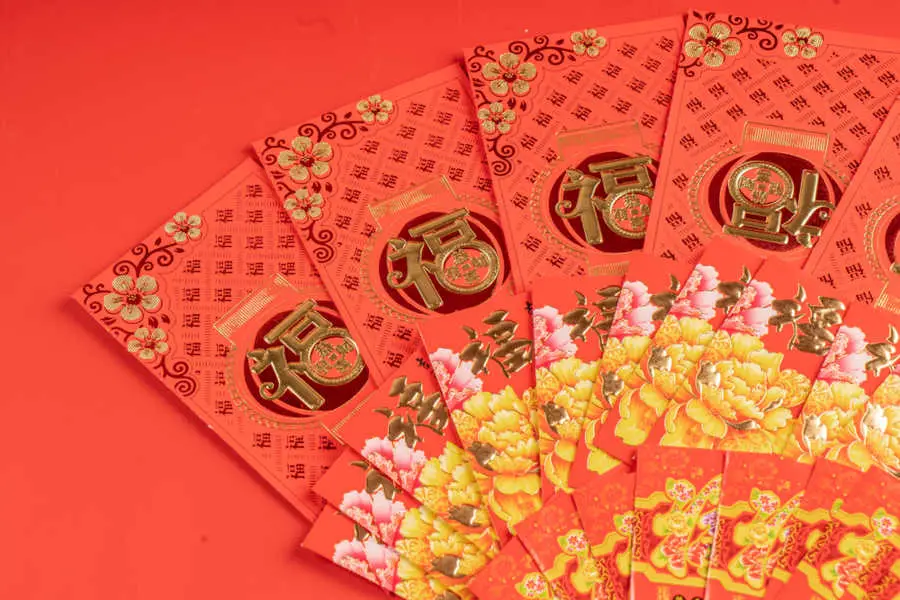
Perhaps no tradition captures the Chinese approach to prosperity more beautifully than the red envelope, or hongbao (红包). Given during holidays, weddings, and other joyful occasions, these envelopes contain money and are presented as a blessing of wealth, health, and happiness.
The act of giving hongbao is deeply symbolic. The color red represents good luck, while the enclosed cash carries the giver’s sincere wishes for the recipient’s success. The amount of money is often chosen carefully—usually even numbers, as odd ones are linked to funerals. The number 8, once again, is considered especially auspicious.
Etiquette also plays an important role. Envelopes should be new and crisp, handled with both hands as a sign of respect. Recipients should never open them in front of the giver, maintaining a sense of humility and appreciation.
Beyond its material value, hongbao reinforces community bonds. It expresses care, gratitude, and shared hope for a prosperous future. Whether exchanged among family, friends, or coworkers, the gesture embodies the spirit of abundance that flows through Chinese culture—prosperity shared is prosperity multiplied.
Modern Applications of Traditional Beliefs
Chinese investment philosophy often takes inspiration from an old proverb: “The best time to plant a tree was twenty years ago. The second-best time is now.” This idea captures the patient, forward-looking mindset that defines much of China’s approach to wealth building. Rather than chasing quick profits, many Chinese investors focus on long-term, intergenerational growth—building assets that will benefit children and grandchildren.
Two pillars stand out in this long-term strategy: real estate and education. Property ownership provides not only financial stability but also emotional security and social status. It’s a tangible symbol of permanence and success, often purchased with family savings and passed down as a legacy. Education, on the other hand, is seen as the most reliable “investment vehicle” of all. By funding a child’s studies, parents are planting the seeds for future prosperity, believing that knowledge and hard work will yield lifelong returns.
This patient, multigenerational perspective turns wealth management into an act of care and foresight—linking past, present, and future through deliberate and steady planning.
Strategic Use of Digital Payment and E-Commerce
China’s rapid technological transformation hasn’t erased traditional money habits—it has redefined them. The rise of digital payment platforms like Alipay and WeChat Pay has created a cashless culture, yet the underlying mindset remains rooted in frugality and efficiency.
People now use digital tools to manage savings, hunt for discounts, and control spending with unprecedented precision. Online shopping platforms and group-buying apps have turned bargain-hunting—a traditional virtue—into a modern lifestyle. Families share coupon codes, monitor price drops, and compare products just as carefully as they once compared market stalls.
Even with the convenience of one-click payments, the cultural caution around debt persists. Many users prefer linking these apps to debit balances rather than credit lines, ensuring that spending stays within earned means. In this way, digital innovation strengthens rather than replaces the foundational habits of thrift, prudence, and value-consciousness that define Chinese financial behavior.
Bridging Traditional Values with Global Business Practices
As China’s economy expands globally, traditional beliefs about wealth and relationships are finding new expression in international business. The concept of guanxi—once limited to local communities—has evolved into a more sophisticated form of relationship management in multinational corporations. Building partnerships, fostering trust, and maintaining respect remain key priorities, even in cross-cultural contexts.
Chinese professionals often bring this relational mindset to the global stage, emphasizing mutual benefit and long-term collaboration over transactional deals. Meetings and negotiations may include gestures of hospitality or informal exchanges that build personal rapport—echoing the ancient belief that genuine success grows from trust, not just contracts.
At the same time, modern Chinese businesses are learning to balance cultural identity with global best practices. They embrace transparency, corporate governance, and innovation without losing the moral compass of harmony, respect, and collective progress. The result is a powerful blend of tradition and modernity—one that allows China to thrive economically while staying rooted in its enduring cultural wisdom.
The Ongoing Evolution of Chinese Wealth Culture
China’s approach to wealth is evolving as younger generations reinterpret traditional values in a fast-changing economy. While their parents and grandparents were guided by strict frugality and long-term saving, Millennials and Gen Z are finding ways to balance prudence with the pursuit of comfort and experience.
For these younger consumers, saving remains important—but so is enjoying the rewards of hard work. They are more willing to spend on travel, technology, and lifestyle upgrades, viewing such expenses as investments in personal happiness and social identity. This shift reflects broader access to wealth and confidence in continued economic growth.
At the same time, attitudes toward debt are changing. Unlike older generations who viewed borrowing as risky or shameful, today’s youth see credit as a tool for opportunity. The use of credit cards, online installment payments, and personal loans is becoming more common, especially among urban professionals. While this marks a significant cultural change, it also raises questions about sustainability and the long-term effects of consumer debt on traditional savings habits.
This generational shift does not represent a rejection of old values but rather an adaptation. Young Chinese are blending the discipline of the past with the freedom of the present—seeking both stability and satisfaction in their financial lives.
New Financial Tools and the Future of Wealth Building
As China’s financial markets mature, a new wave of tools and education is reshaping how people build and manage wealth. The rise of stock market participation, mutual funds, and digital investment platforms has expanded opportunities beyond traditional savings and real estate.
Financial literacy is becoming a national focus. Schools, online platforms, and community programs are teaching citizens—especially young adults—how to diversify investments, assess risk, and plan for retirement. This growing awareness marks a shift from simple saving to strategic wealth management.
Yet even with these innovations, traditional wisdom remains the compass guiding many investors. The principle of patience—waiting for the right moment, avoiding impulsive decisions, and respecting market cycles—mirrors the Daoist belief in harmony and natural flow. Likewise, the Confucian emphasis on moderation and ethics continues to influence how people approach wealth creation.
In navigating global markets, Chinese investors are proving that ancient values can coexist with modern tools. By blending prudence with progress, they are building a financial future that honors the past while embracing the promise of innovation.
Lessons the World Can Learn from Chinese Wealth Wisdom
One of the most enduring lessons from Chinese financial wisdom is that true prosperity takes time. Wealth, like a crop, must be planted, nurtured, and patiently cultivated before it can be harvested. This belief in steady progress over quick gain runs deep through Chinese history and philosophy.
From family savings to business growth, patience and perseverance are seen as virtues that guarantee stability. Instead of chasing instant rewards, people focus on consistent effort and disciplined habits—saving a little each month, reinvesting profits, and thinking decades ahead rather than just a year. The Chinese proverb “Dripping water can penetrate stone” perfectly captures this mindset: persistence, not force, achieves lasting results.
This long-term view has allowed generations to build enduring wealth while maintaining balance and peace of mind—a lesson the fast-paced modern world can greatly benefit from.
Building Wealth with Community, Not Competition
Another valuable insight from Chinese culture is the belief that wealth grows stronger when shared. In contrast to purely individualistic approaches, Chinese families and communities often pool resources, exchange advice, and support one another’s ventures. The collective goal is mutual prosperity rather than personal dominance.
This community-centered approach is seen in family investments, cooperative businesses, and the importance placed on guanxi—relationships built on trust and reciprocity. When success is shared, everyone benefits: families become more secure, networks grow stronger, and society remains harmonious.
This principle offers a powerful counterbalance to competitive economies. It suggests that collaboration, generosity, and shared progress create more sustainable prosperity than rivalry or isolation. Wealth, when built together, becomes not only greater but also more meaningful.

Finding Harmony Between Material Success and Moral Integrity
Perhaps the most profound lesson from Chinese wealth philosophy is that material success must never come at the expense of virtue. Throughout history, thinkers like Confucius have taught that wealth without righteousness is hollow and unstable. True abundance is achieved when moral integrity and financial achievement move hand in hand.
This pursuit of harmony encourages balance—earning honestly, spending wisely, and using wealth to improve both one’s life and the lives of others. The idea is not to reject wealth but to manage it with humility and purpose. A prosperous person is admired not just for what they own, but for how they contribute to family, society, and future generations.
In a world often driven by speed and self-interest, this principle serves as a timeless reminder: wealth is most powerful when guided by wisdom, compassion, and moral strength. When ethics lead, prosperity follows—and lasts.
End Words
Wealth in Chinese culture is far more than a measure of money—it is a reflection of wisdom, balance, and virtue. For centuries, traditional beliefs have guided how people earn, save, and share their prosperity. From Confucian ethics that tie wealth to moral character, to Daoist teachings that celebrate harmony and flow, Chinese philosophy reminds us that fortune must serve both the self and the greater good.
What makes this approach enduring is its holistic vision of success. Financial prosperity is not pursued in isolation but intertwined with family duty, social responsibility, and spiritual balance. Each decision—whether it’s saving for a home, supporting parents, or investing in education—reflects care for future generations and respect for the past.
As modern China evolves, these ancient principles continue to adapt. Technology, global business, and new financial tools have reshaped the landscape, yet the core remains unchanged: patience, prudence, and integrity are still the keys to lasting abundance. Even as younger generations embrace new opportunities, they carry forward the same belief—that true wealth grows steadily, benefits many, and endures through time.
In the end, Chinese wealth wisdom offers the world a gentle but powerful message: prosperity is not just about accumulation—it is about cultivation. When we build with virtue, share with generosity, and live with balance, we create a kind of wealth that no market fluctuation can ever take away.

Stay in Touch
 Join our newsletter by using the forms on this website or click here!
- Follow us on Google News
- Follow us on Facebook



Featured Photo by Sergio Kian on Unsplash
Share it!