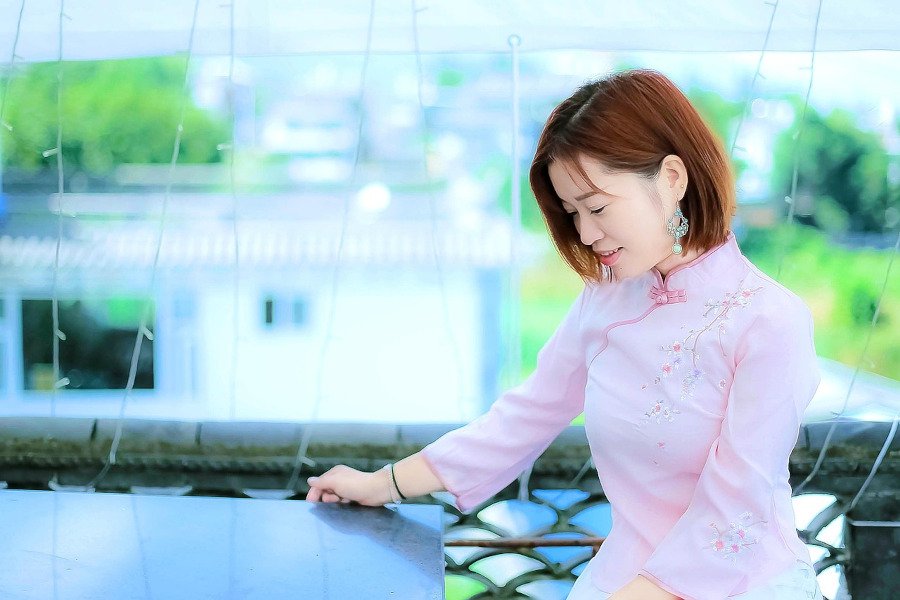
Over the past few decades, China has undergone one of the most remarkable social and economic transformations in modern history. Cities have expanded at breakneck speed, industries have boomed, and technology has reshaped everyday life. Amidst this whirlwind of change, Chinese women have emerged as powerful agents, navigating the complexities of tradition and modernity in entirely new ways.
This new chapter for Chinese women is not only about personal growth but also reflects broader shifts in society. Women today are stepping confidently into roles that were once closed to them—from corporate boardrooms to entrepreneurial ventures—challenging old norms while embracing fresh opportunities. Their ambitions and achievements offer a fascinating lens through which to understand modern China’s evolving identity.
Moreover, the story of these women extends beyond national borders. In an interconnected world, their experiences resonate globally, shedding light on universal themes of gender equality, cultural diversity, and social progress. Understanding the path of modern Chinese women opens a window into how rapid development can reshape gender dynamics and inspire change worldwide.
What makes this narrative compelling is not just the scale of change but the nuanced choices each woman makes. They are balancing careers with family, personal freedom with societal expectations, and traditional values with modern aspirations. This ongoing journey offers valuable insights into China’s future—and the future of women everywhere.
The Rise of Female Education and Ambition
Not long ago, educational opportunities for women in China were limited and often secondary to traditional expectations of marriage and family life. Today, the landscape is dramatically different. Enrollment figures speak volumes: Chinese women now make up more than half of university students nationwide, setting new records year after year. This surge reflects a deep-seated ambition among young women to build futures beyond conventional roles.
Education has become the cornerstone of independence and empowerment for modern Chinese women. With degrees in fields ranging from engineering and medicine to business and the arts, they are equipped to pursue meaningful careers and secure economic stability. This foundational shift is reshaping perceptions—women are no longer just expected to fulfill domestic roles but are increasingly seen as intellectual contributors and innovators.
However, despite these advances, societal pressures remain strong. The label “sheng nu,” or “leftover women,” is often still applied to unmarried women in their late twenties or older, carrying implications of failure and social stigma. This stereotype can undervalue women’s achievements and intensify pressure to marry, sometimes even overshadowing personal choice. Yet, many women are challenging this narrative, embracing their right to define success on their own terms—whether that includes marriage or not.
Ambition today is multifaceted. More women are speaking openly about their career goals, financial independence, and self-fulfillment. They are redefining what it means to be a modern Chinese woman—capable, educated, and unapologetically self-directed in a society that is learning to catch up with their aspirations.
Women in the Workforce: Achievements and Aspirations
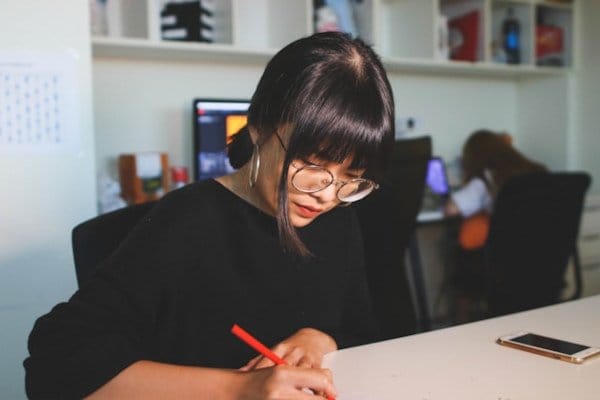
As China’s economy has expanded, women have stepped into the workforce in unprecedented numbers. In sectors ranging from finance to technology, they are no longer limited to supporting roles. Increasingly, women are climbing into leadership positions, managing companies, and shaping business strategies. In fact, China has one of the world’s highest percentages of female senior executives, a figure that highlights both progress and potential.
In the technology sector—often perceived as a male-dominated arena—women are making their mark as engineers, product designers, and executives at some of China’s most influential firms. Their voices are also becoming more prominent in policymaking, academia, and media, where they contribute fresh perspectives on innovation and growth.
Female Entrepreneurs and the Startup Scene
China’s booming startup ecosystem has created fertile ground for female entrepreneurs. From e-commerce and fashion to artificial intelligence and green technology, women-led ventures are thriving. According to recent studies, Chinese women account for a significant share of the world’s self-made female billionaires, a testament to their resilience and vision.
This entrepreneurial spirit is not confined to major cities. Across smaller urban hubs and even rural areas, women are building businesses through online platforms, livestreaming, and social commerce. These ventures not only provide financial independence but also create jobs and uplift local communities, reinforcing women’s role as engines of economic growth.
Glass Ceilings and Invisible Barriers
Despite these achievements, challenges remain. Many women still encounter the “glass ceiling,” where promotions and high-level leadership roles are harder to attain compared to their male counterparts. Workplace discrimination, subtle biases, and assumptions about family responsibilities often limit career advancement.
Another persistent issue is the lack of mentorship and representation at the very top. While women may excel in mid-level management, boardrooms and executive committees are still predominantly male. These invisible barriers remind us that progress has been significant but incomplete.
For modern Chinese women, navigating the workforce means balancing ambition with systemic challenges. Their successes illuminate how far they have come, while the obstacles reveal the work still needed to achieve true equality.
| Sector | % Female Workforce | % Women in Leadership/Board Roles | Notable Trends |
| Overall Workforce | 43.3% of total employment (2023) | Data on leadership: approx. 20-25%* | Women’s workforce participation is stable but declining since 1990, from 73.2% to about 60% in 2024 due to economic restructuring and traditional gender roles . |
| Urban Non-private Sector | 41.0% | N/A | Female employment lower in urban areas than rural, with added pressures and lower participation rates . |
| Technology & Business | Estimated 30-35%* | ~20-25%* | Female entrepreneurs growing, but glass ceilings remain. Women are leaders in startups and tech innovation . |
Balancing Tradition and Modern Identity
Marriage and motherhood have long been considered central milestones for women in China. Even today, many families still expect daughters to marry young and prioritize family life over career ambitions. These expectations often create a tension between personal goals and cultural obligations. While some women embrace traditional roles with pride, others feel pressure to conform, regardless of their own aspirations.
In urban centers, attitudes are shifting. More women are choosing to marry later, or not at all, and many are waiting until they feel financially and emotionally ready to have children. This shift reflects not a rejection of family values, but rather a desire to define marriage and motherhood on their own terms.
Family dynamics in China have also evolved alongside economic changes. The rise of dual-income households has reshaped family life. With both partners working, caregiving responsibilities are no longer automatically assigned to women. Husbands are increasingly expected to share domestic duties, and grandparents often play a vital role in childcare, especially in multi-generational households.
Still, the balance is not always equal. Women often shoulder a “double burden”—managing careers while carrying the majority of household and caregiving responsibilities. This imbalance highlights the ongoing negotiation between tradition and modern gender roles within Chinese families.
Negotiating Identity: Tradition vs. Personal Freedom
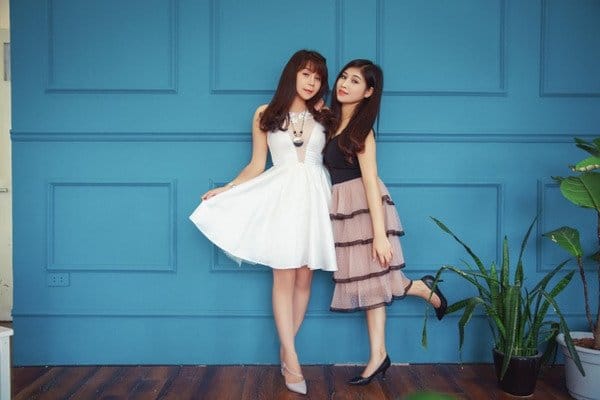
For many women, daily life involves navigating two worlds: one rooted in centuries-old values of filial duty and family honor, and another shaped by modern ideals of independence and self-expression. Balancing these identities is not always simple.
Some women find harmony by blending the two—honoring family traditions while pursuing careers, personal hobbies, or travel. Others lean toward redefining tradition altogether, openly questioning norms that limit their freedom. Social media has amplified these voices, giving women new platforms to express diverse perspectives on what it means to live authentically in today’s China.
This balancing act between heritage and modernity is central to the identity of the modern Chinese woman. It reflects both the weight of history and the promise of new possibilities.
The Pressure of Social Labels and Cultural Expectations
Few labels have sparked as much debate in modern China as “sheng nu” (剩女), or “leftover women.” Coined to describe unmarried women in their late twenties or older, the term carries a strong social stigma. For many, it suggests that career success or personal independence cannot compensate for not fulfilling the traditional role of wife and mother.
This label affects women on multiple levels. Some internalize it, questioning their own choices and self-worth. Others reject it outright, arguing that their independence is a sign of strength rather than failure. Either way, the pressure is real. It highlights the clash between a rapidly modernizing society and deeply rooted cultural expectations.
Beyond marriage, media and advertising place immense pressure on women to maintain youthful beauty, flawless skin, and slim figures. From skincare campaigns to online influencers, women are constantly reminded that appearance is tied to both social acceptance and personal value.
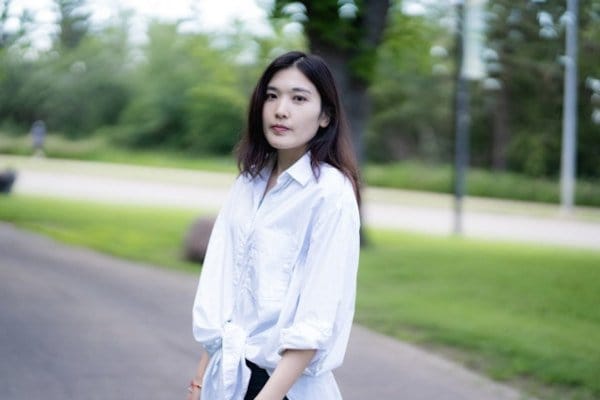
At the same time, consumer culture has turned women into one of the most powerful groups of buyers in China. Fashion, cosmetics, wellness, and luxury industries actively market to them, reinforcing beauty ideals while also fueling economic growth. This dual role—as both target and driver of consumer culture—creates a paradox where women’s empowerment is intertwined with commercialized expectations of femininity.
Amid these pressures, social media has become a space for women to challenge stereotypes and redefine identity. Platforms like Weibo, Xiaohongshu, and Douyin allow women to share stories, promote body positivity, and highlight diverse definitions of success. Campaigns against gender labels, discussions on mental health, and support groups for single women have all found traction online.
These digital communities give women a louder voice than ever before. By speaking out, they not only counter harmful narratives but also inspire others to embrace individuality over conformity. In many ways, social media is becoming a stage where Chinese women rewrite their own stories—ones centered on choice, confidence, and authenticity.
| Category | Average Marriage Age | % Married by Age 30 | Societal Pressure Level (1-10) |
| Women with Higher Education | 28-35 years | About 60% | 8 |
| Women in Traditional Roles | 24-27 years | About 85% | 6 |
| Urban “Leftover Women” | 28-35 years | Declining (33 million unmarried by 2020) | 9 |
Economic Independence and Financial Power
China’s economic boom has brought with it a powerful shift: women are now among the most influential consumer groups in the country. From fashion and beauty to technology and travel, women’s spending choices shape entire industries. Market research often highlights the “she economy” (她经济), a term used to describe how female-driven consumption fuels growth in e-commerce, luxury goods, and lifestyle services.
Unlike past generations, today’s women are not simply shopping for family needs—they are investing in themselves. They prioritize education, personal wellness, and experiences, signaling a broader redefinition of what financial independence looks like in modern China.
Women as Property Owners and Investors
One of the most significant signs of change is the growing number of women who own property. In major cities, young women are increasingly purchasing apartments before marriage, challenging long-held traditions where homes were tied to men’s financial responsibility. This trend not only rebalances power in relationships but also gives women greater security and autonomy.
Beyond real estate, more women are becoming active investors. From stocks and mutual funds to startup investments, they are building wealth with long-term visions in mind. This participation in financial markets marks a critical shift, placing women in roles that influence both household wealth and broader economic trends.
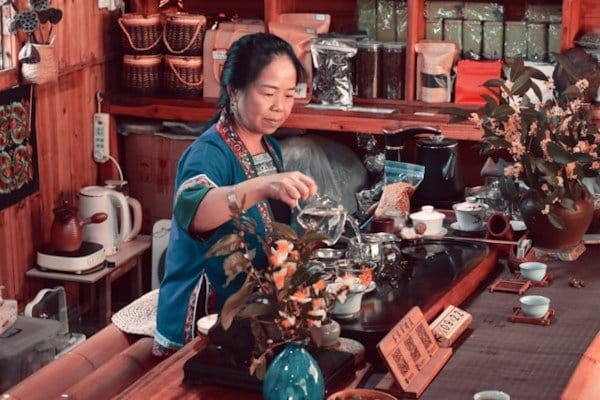
Financial Freedom as Empowerment
For many, financial freedom is more than a matter of wealth—it’s an essential tool for empowerment. Control over personal finances allows women to make choices without undue dependence, whether it’s pursuing career opportunities, delaying marriage, or supporting extended family. This autonomy fosters confidence and expands possibilities.
The rise of female financial empowerment also challenges traditional norms around family roles and economic responsibilities. Women’s increasing economic influence shifts household dynamics and encourages broader conversations about equality. As women continue to gain financial power, they not only improve their own lives but also contribute to the transformation of society at large.
| Indicator | Statistic (2025) | Trend Since 2015 |
| Homeownership Among Women | 47.54% of property buyers in key cities are women | Increased from 14.7% in 2016 to nearly half in 2020 in urban areas |
| Single Women Property Ownership | 10.3% of unmarried women owned property in 2020, up from 6.9% in 2010 | Rising significantly with independent lifestyles |
| Female Financial Decision-Makers | 66.4% of women with advanced degrees are key decision-makers in home purchases | Linked to higher education levels boosting financial agency |
| Consumer Spending by Women | Over 50% of consumer spending power in major sectors (estimated 2025) | Growing influence in fashion, beauty, and e-commerce sectors |
Challenges on the Road to Equality
Despite remarkable strides, Chinese women continue to face significant obstacles in achieving full workplace equality. Discrimination remains a persistent issue, often manifesting subtly through hiring biases, promotion barriers, and unequal pay. Many women report encountering assumptions about their commitment or capabilities simply based on gender, limiting their professional growth.
One particularly harsh reality is the “motherhood penalty.” Women who have children frequently experience setbacks in career advancement, whether through missed promotions, demotion, or reduced responsibilities. Employers often question their availability and dedication, leading some women to delay pregnancy or even leave the workforce entirely. This penalty reveals a structural challenge where family and work demands collide, disproportionately affecting women.
Representation at the highest levels of politics and corporate leadership remains strikingly low for women in China. Boardrooms and government positions are still overwhelmingly male-dominated, which undercuts efforts to integrate women’s perspectives in decision-making processes. The lack of female role models in top roles can also discourage younger women from pursuing leadership paths.
Addressing these challenges requires systemic change. Without stronger policies, greater accountability, and cultural shifts, barriers will continue to hinder the progress of women despite their qualifications and ambitions. Recognizing and dismantling these obstacles is crucial to building a more equal and inclusive future, where women’s contributions to society are fully valued.
Related reading: The Most Powerful Women in Ancient China – Opens in new tab
Changing Laws, Policies, and Social Movements
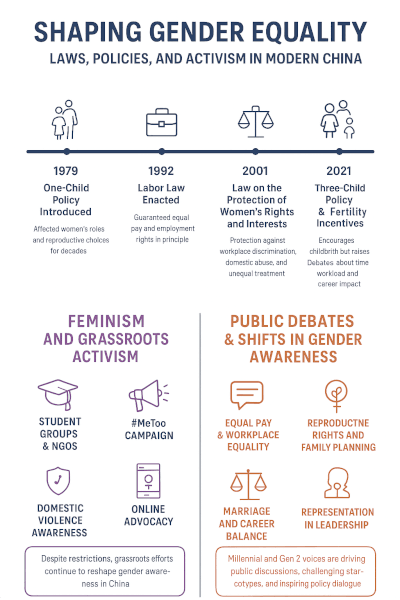
The Chinese government has long emphasized gender equality as a national goal, with the famous slogan “women hold up half the sky” dating back to the Mao era. Laws exist to protect women’s rights in employment, marriage, and education, yet gaps remain between policy and practice. Enforcement is inconsistent, and workplace discrimination often goes unchecked.
Family planning policies have also profoundly influenced women’s lives. The one-child policy, introduced in 1979 and phased out in recent years (1979-2015), shaped an entire generation of women’s roles in families and society. Today, with the two-child and now three-child policies, the government encourages women to have more children to offset an aging population. However, this shift has sparked debate—many women worry that these policies could increase pressure on them to prioritize motherhood over career advancement.
The Role of Feminism and Grassroots Activism
Feminist voices in China are diverse and dynamic, even in a challenging environment. While large-scale feminist movements face restrictions, grassroots activism thrives in creative ways. Student groups, NGOs, and online campaigns raise awareness about domestic violence, sexual harassment, and workplace inequality.
High-profile incidents, such as public discussions around the #MeToo movement, have inspired young women to speak out against gender-based injustices. Even though activism faces censorship, these efforts are reshaping public consciousness, one conversation at a time.
Public Debates and Shifts in Gender Awareness
In recent years, gender issues have become frequent topics of public debate. Discussions about women’s rights, reproductive choices, and workplace discrimination regularly trend on social media platforms. Younger generations, especially urban millennials and Gen Z, are more willing to question stereotypes and openly challenge inequality.
These debates reflect a growing awareness that gender equality is not just a women’s issue but a societal one. As conversations spread, they chip away at old norms and encourage new perspectives, suggesting that while change may be gradual, it is already underway.
Related reading: The Role of Women in Ancient China: A Journey Through Time – Opens in new tab
The Role of Technology and Digital Spaces
Technology has become a vital platform for modern Chinese women to connect, express, and empower themselves in unprecedented ways. Online communities offer safe spaces where women share experiences, seek advice, and find solidarity. These networks reduce isolation, especially for those navigating societal pressures or workplace challenges, helping women build confidence and resilience.
E-commerce and livestreaming have opened new horizons for female entrepreneurs and creators. Many women leverage these digital tools to launch successful businesses, from fashion lines to tech startups, directly reaching consumers without traditional gatekeepers. Livestreaming, in particular, has become a powerful way to engage audiences, create personal brands, and generate income, allowing women to lead in China’s rapidly evolving digital economy.
Digital activism is also gaining traction. Through storytelling and viral campaigns, women highlight issues like gender inequality, sexual harassment, and mental health. Social media platforms provide a megaphone for voices that were once marginalized, fostering awareness and sparking public conversations that push for social change. These digital movements reinforce the idea that technology is not just about commerce but also about culture and rights.
By harnessing the power of digital spaces, Chinese women are redefining leadership and community-building. They are shaping new narratives around identity and equality, proving that the future of gender empowerment is as much online as it is offline.
Generational Differences: Women Across Age Groups
The experiences and priorities of Chinese women vary notably across generations, reflecting shifts in social, economic, and cultural contexts. Millennial and Gen Z women, in particular, are redefining independence and career ambitions with a fresh outlook. They tend to prioritize personal fulfillment, financial autonomy, and flexible career paths over traditional milestones like early marriage. This generation embraces digital technology, global perspectives, and social activism, pushing boundaries in ways their predecessors might not have imagined.
Meanwhile, older generations—those who grew up amid China’s early reform era—are navigating new freedoms alongside persistent challenges. Many witnessed profound social changes and adapted to evolving roles from more traditional expectations. While some celebrate the increased opportunities available today, others grapple with balancing long-held values against rapid societal shifts. Their perspectives often emphasize family cohesion and stability, sometimes creating tension or dialogue with younger women seeking different paths.
Intergenerational conversations within families and communities are crucial in shaping the future for Chinese women. These dialogues can bridge gaps, offering insights and mutual understanding between different age groups. Older generations pass down resilience and cultural wisdom, while younger women introduce innovation and progressive ideals. Together, they negotiate a shared vision of womanhood that honors history but is open to transformation.
This dynamic interplay between generations enriches the ongoing story of Chinese women, fostering empathy and collaboration as they collectively navigate change.
Global Connections and Cultural Exchange
Over the past two decades, a growing number of Chinese women have pursued education and career opportunities overseas. Universities in the United States, Europe, Australia, and beyond have welcomed waves of Chinese students, many of them women eager to explore new horizons. Studying abroad not only enhances their academic and professional skills but also exposes them to different cultural attitudes toward gender, independence, and personal freedom.
For those who choose to stay and work abroad, these experiences can be transformative. They gain global perspectives, build international networks, and often return to China with fresh ideas that influence business practices, social norms, and even policymaking. Their journeys symbolize how Chinese women are becoming active participants in the global exchange of talent and knowledge.
The Influence of International Feminism and Cross-Cultural Perspectives
Exposure to international feminism has given many Chinese women new language and frameworks to articulate their experiences. Concepts such as workplace equality, body positivity, and reproductive rights resonate strongly with younger generations, who are eager to adapt them to China’s unique cultural context.
At the same time, cross-cultural exchange is not about copying Western models wholesale. Chinese women often reinterpret global ideas through their own perspectives, blending them with local traditions and values. This creates a distinct form of feminism—rooted in Chinese realities yet enriched by global conversations.
Inspiring Global Conversations on Gender Roles
Chinese women are not only learning from the world; they are also contributing to it. From authors and filmmakers to entrepreneurs and activists, their voices are entering international discussions on gender, identity, and empowerment. Social media further amplifies these exchanges, allowing Chinese women to share their stories on global platforms and challenge stereotypes about Asian womanhood.
Their ability to navigate tradition, modernity, and globalization makes their experiences particularly valuable to international audiences. By sharing their perspectives, Chinese women are helping to shape a more inclusive and diverse global dialogue about gender roles in the 21st century.
Related reading: Chinese Women’s Fair-Skin Obsession: The Cultural Roots and Modern Impact – Opens in new tab
Looking Ahead: The Future of Women in China
The future for women in China holds promising opportunities for deeper equality, particularly in education and the workplace. As barriers continue to be challenged and dismantled, more young women will gain access to advanced learning and career choices that align with their ambitions. Education reforms and targeted initiatives have the potential to close gender gaps and create environments where women can thrive on equal footing.
Technology will undoubtedly play a critical role in shaping this future. Digital platforms provide spaces for connection, entrepreneurship, and activism, empowering women to innovate and amplify their voices. At the same time, evolving policies—both governmental and corporate—will be essential in addressing persistent systemic issues, such as workplace discrimination and family-care balance. Progress hinges on laws that support equal rights, parental leave, and protection from bias.
Global exchange will continue to enrich this ongoing transformation. Exposure to different cultural models and feminist ideas will inspire Chinese women to advocate for more inclusive norms and expanded freedoms. This international dialogue fosters mutual learning and encourages flexibility in traditional roles, helping society evolve without losing its cultural essence.
Imagining the next chapter for Chinese women means recognizing their growing agency and the diverse paths they will forge. It is a story of resilience, creativity, and continuous negotiation between heritage and modernity. As China’s society advances, its women stand poised to shape a future defined not by limitations but by possibility, where personal choice and equality take center stage.
End Words
The story of modern Chinese women is one of resilience, ambition, and transformation. From classrooms to boardrooms, from online communities to global stages, women in China are navigating a complex blend of tradition and modernity. They are challenging outdated labels, embracing financial independence, and shaping new definitions of success.
At the same time, their journey is far from complete. Persistent barriers in the workplace, unequal expectations in family life, and lingering cultural stereotypes remind us that progress requires constant effort. Yet, each generation of Chinese women is moving the conversation forward, building on the struggles and triumphs of those who came before them.
Their experiences matter not only within China but also globally. As nearly one-fifth of the world’s population, the choices, freedoms, and futures of Chinese women will influence global conversations on equality, identity, and empowerment. Their voices are increasingly impossible to ignore—and their impact will only continue to grow.
The modern Chinese woman stands at the intersection of history and possibility. By balancing heritage with innovation, and personal dreams with social change, she is writing a new chapter that will inspire generations to come.
Related reading: Exploring The Importance Of Family In Chinese Culture – Opens in new tab
Sources – Further study
- Exploring the Rise of Women in China’s Workforce
- China: Female labor force participation
- Boosting women’s labour force participation in China
- Gender Imbalance and Urban “Leftover Women”
- China’s Dwindling Marriage Rate Is Fueling Demand for Brides Trafficked From Abroad
- Chinese People Used to Shun Their Daughters. Today, They Are Invaluable
- How ‘Leftover Women’ Reshape China
- More Chinese women are buying homes than ever before
- For Single Women in China, Owning a Home Is a New Form of Resistance
Featured image by Daniel Tsai from Pixabay
Share it!