Traditional Chinese Medicine (TCM) is often associated with herbal decoctions and acupuncture, but its approach to healing extends far beyond needles and roots.
At the heart of TCM lies a profound understanding of the body’s external landscape, where manual therapies play a crucial role in restoring balance.
According to ancient Chinese philosophy, health depends on the smooth flow of Qi (vital energy) and blood. When this flow becomes blocked or stagnant, pain and illness follow—a concept summarized by the classic medical proverb, “If there is no free flow, there is pain.”
To clear these blockages, TCM practitioners rely on three powerful external therapies: Tui Na, Cupping, and Gua Sha. Unlike internal medicines that work from the inside out, these hands-on techniques manipulate the body’s surface, muscles, and meridians to stimulate healing from the outside in.
Tui Na uses rhythmic compression and kneading to align the musculoskeletal system, while Cupping and Gua Sha utilize suction and scraping to draw out stagnation and promote circulation.
Perhaps the most visually striking aspect of Cupping and Gua Sha is the marks they leave behind. Far from being mere bruises, these deep red or purple patterns are a visual map of the body’s internal state.
Today, modern science offers fascinating insights into these marks, revealing how controlled microtrauma triggers a localized immune response, promotes fascial release, and accelerates cellular repair.
In this article, we will explore the rich traditions and practical applications of Tui Na, Cupping, and Gua Sha. We will delve into the specific techniques, examine the science behind the therapeutic marks, and discuss the primary indications for each therapy.
Whether you are seeking relief from chronic pain or looking to understand the mechanics of physical detoxification, these ancient external therapies offer a powerful, natural pathway to wellness.
Understanding Tui Na: The Art of Chinese Therapeutic Massage
Tui Na (pronounced “twee-na”) is one of the oldest and most foundational external therapies in Traditional Chinese Medicine. Literally translating to “push” (Tui) and “grasp” (Na), this therapeutic massage goes far beyond simple relaxation.
It is a highly structured medical practice designed to treat specific health conditions by manipulating the body’s soft tissues and energy pathways.
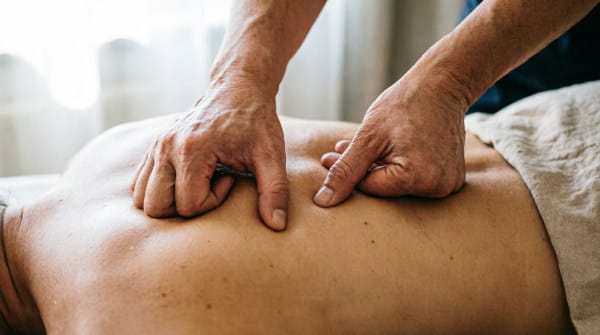
Core Principles and Techniques of Tui Na
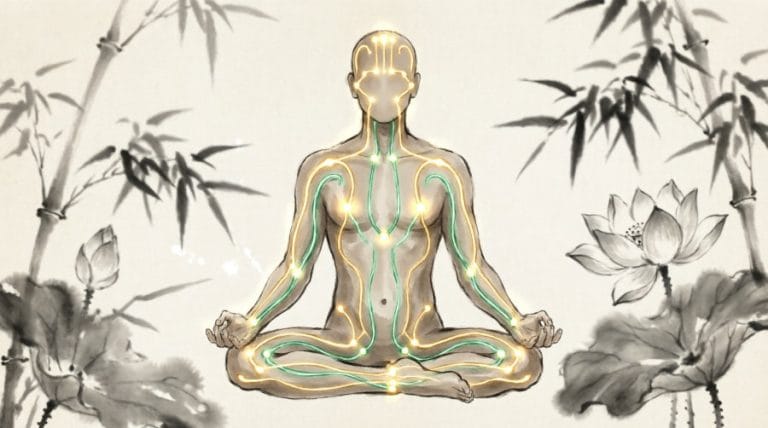
Unlike Western massage, which often focuses primarily on muscle relaxation, Tui Na is deeply rooted in the traditional Chinese medical framework. It operates on the same principles as acupuncture, targeting the body’s meridian system—the network of channels through which Qi (vital energy) and blood flow.
When these pathways become blocked, pain and disease occur. Tui Na aims to clear these blockages, restore the balance of Yin and Yang, and promote the smooth circulation of energy throughout the body.
To achieve this, practitioners use a wide variety of rhythmic hand techniques. They apply targeted pressure using their fingers, palms, thumbs, and sometimes even their elbows.
Key techniques include Tui (straight pushing), Na (grasping and lifting the muscles), Rou (circular kneading), Gun (rolling the back of the hand over the tissue), and An (deep pressing).
By combining these movements, the practitioner can work superficially on the skin or deeply into the muscles, tendons, and ligaments to stimulate specific acupoints and release physical tension.
Common Indications and Benefits for Pain Relief
Because of its ability to directly manipulate soft tissue and stimulate meridians, Tui Na is highly effective for managing musculoskeletal pain. It is most commonly indicated for chronic neck and shoulder stiffness, lower back pain, sciatica, joint issues like osteoarthritis, and sports-related injuries.
The benefits for pain relief are both immediate and cumulative. Physically, the deep kneading and rolling techniques help break up muscle adhesions and fascia restrictions, which are often the root cause of localized pain.
This manual manipulation increases local blood circulation, delivering fresh oxygen and nutrients to damaged tissues while flushing out metabolic waste.
Neurologically, the targeted pressure stimulates the nervous system to release endorphins, the body’s natural painkillers. By realigning the musculoskeletal structure and clearing energetic blockages, Tui Na not only masks the symptoms of pain but addresses its underlying physical causes.
Cupping Therapy: Drawing Out Stagnation and Toxins
Cupping is one of the most visually recognizable therapies in Traditional Chinese Medicine, yet its mechanisms are often misunderstood. Far from a simple spa treatment, it is a precise clinical tool used for centuries to draw out deep-seated stagnation and restore the body’s natural equilibrium.
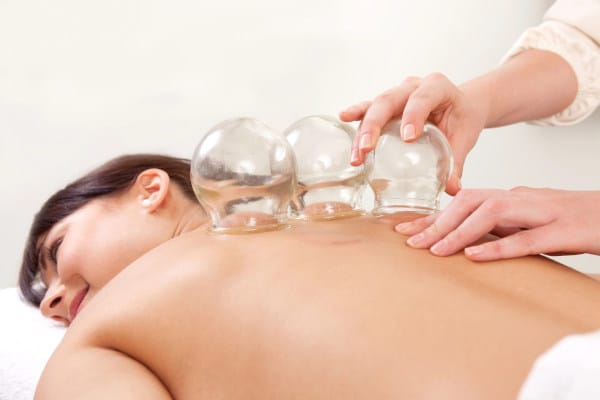
How Cupping Works in Traditional Chinese Medicine
In Traditional Chinese Medicine, cupping (known as Ba Guan, or “pulling jars”) is designed to draw out pathogenic factors and restore internal balance.
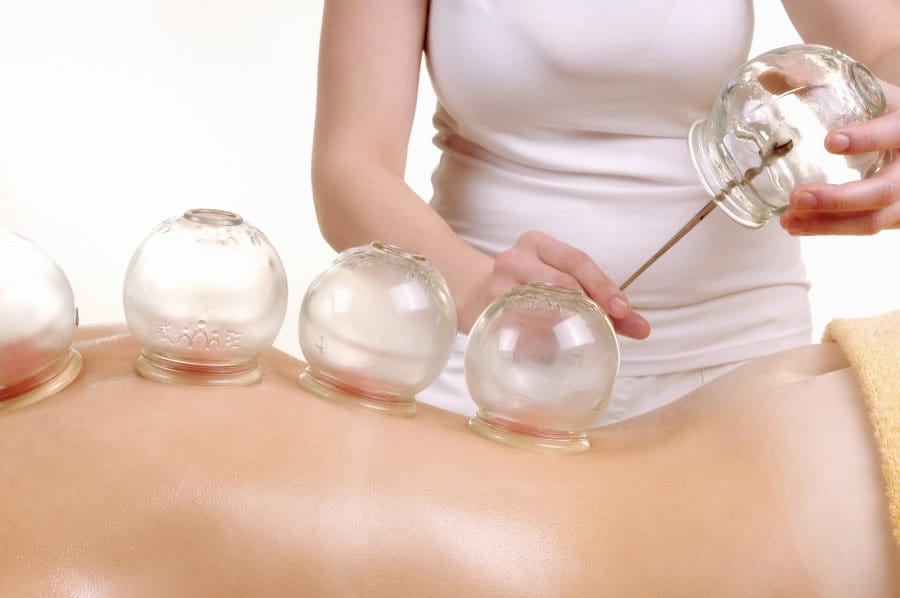
Practitioners create a vacuum inside glass, bamboo, or silicone cups, traditionally using fire to consume the oxygen or modernly using a mechanical pump. When placed on the skin, this suction pulls the superficial tissue upward.
From a TCM perspective, this action opens the pores and meridians, drawing out stagnant Qi, congealed blood, and external pathogens like Wind, Cold, and Dampness that have settled in the muscles and joints.
Instead of pushing energy inward, cupping reverses the pressure, pulling the root of the discomfort to the surface where the body can naturally expel it.
The Science Behind Cupping Marks (Petechiae and Fascial Release)
The dark red or purple circles left behind by cupping are frequently mistaken for bruises, but they are fundamentally different.
A bruise results from blunt force trauma that crushes tissue, whereas cupping marks are a form of controlled microtrauma. The negative pressure causes tiny capillaries near the skin’s surface to rupture, creating petechiae or ecchymosis.
Modern science views this localized microtrauma as a powerful catalyst for healing. It triggers a targeted immune response, drawing fresh, oxygenated blood and healing nutrients to the area while flushing out metabolic waste and inflammatory markers.
Furthermore, the suction physically lifts and separates the layers of fascia, the dense connective tissue surrounding muscles. This fascial release reduces physical tension, improves tissue elasticity, and alleviates the deep, restricted feeling often associated with chronic musculoskeletal pain.
| Mark Color | TCM Interpretation | Typical Fading Time |
| Light Pink or Bright Red | Indicates mild, recent stagnation or a healthy, active circulatory response to the therapy. | 1 to 3 days |
| Dark Red or Crimson | Suggests moderate blood stasis or accumulated “Heat” in the local area. | 3 to 5 days |
| Deep Purple or Black | Points to severe, long-standing blood stasis or deep-seated “Cold” and “Dampness” in the meridians. | 7 to 10 days (or longer) |
| Pale or No Mark | Indicates a deficiency in Qi and Blood, meaning the body currently lacks the vital energy to draw stagnation to the surface. | N/A (Does not appear) |
| Mottled or Blotchy (with tiny dots) | Often signifies a combination of pathogenic “Wind” and “Dampness,” commonly seen in joint stiffness or early-stage colds. | 4 to 6 days |
Primary Indications for Cupping Therapy
Because of its unique ability to move stagnation and clear pathogens, cupping is indicated for a diverse range of conditions. It is highly effective for musculoskeletal complaints, such as chronic lower back pain, stiff necks, and muscle spasms.
Beyond physical pain, cupping is a staple treatment for respiratory issues. By applying cups to the upper back along the Bladder meridian, practitioners can help expel Wind-Cold, making it a popular and effective remedy for the common cold, coughs, and mild asthma.
It is also frequently used to address systemic “Dampness,” a TCM concept linked to feelings of bodily heaviness, fatigue, and sluggish digestion. By stimulating local circulation and lymphatic drainage, cupping actively supports the body’s natural detoxification processes, leaving patients feeling physically lighter and more energized.
Curious to learn more about Traditional Chinese Medicine? 📚
Explore a selection of beginner-friendly and in-depth TCM books and start deepening your understanding today.(Aff.link)👉
Gua Sha: Scraping for Circulation and Detoxification
Gua Sha is a time-honored healing technique in Traditional Chinese Medicine that involves repeatedly scraping the skin with a smooth-edged instrument.
The term itself translates literally to “scraping away illness” or “scraping sand,” with “sand” referring to the textured, reddish marks that appear on the skin during treatment.
While it may look intense, Gua Sha is a highly controlled and deeply therapeutic practice designed to move stagnation and promote systemic detoxification.
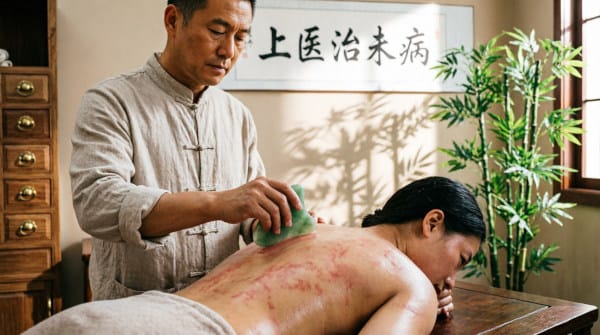
The Technique and Tools of Gua Sha
A traditional Gua Sha session begins with the application of a lubricating oil to the skin, ensuring the tool glides smoothly without causing abrasion. The practitioner then uses firm, unidirectional strokes, typically scraping along the body’s meridians or specific muscle groups.
The pressure is adjusted based on the patient’s condition and tolerance, focusing on areas where Qi and blood are believed to be stagnant.
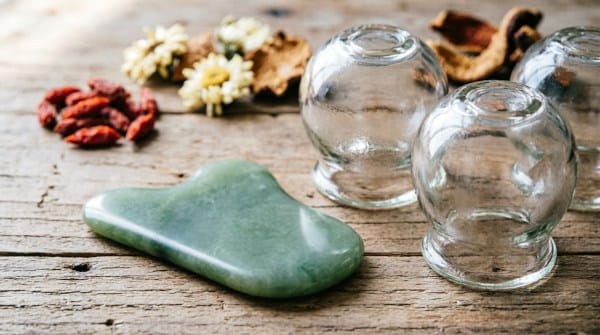
The choice of tool is deeply rooted in Chinese material culture. Historically, practitioners used smooth-edged instruments carved from jade, water buffalo horn, or Bian stone.
Jade is prized for its natural cooling properties, making it ideal for treating heat-related conditions. Bian stone, a type of microcrystalline limestone, is highly valued in TCM because it is believed to emit beneficial far-infrared rays and ultrasonic pulses when rubbed against the skin.
While modern variations may use stainless steel or silicone, traditional materials remain the gold standard for their unique energetic and physical properties.
The Science Behind the “Sha” (Microtrauma and Immune Response)
The hallmark of a Gua Sha treatment is the appearance of “Sha,” which manifests as tiny, reddish or purplish spots resembling sand grains on the skin’s surface.
Like the marks left by cupping, Sha is not a bruise caused by blunt trauma. Instead, it is the result of controlled, superficial microtrauma to the capillaries just beneath the skin.
Modern biomedical research has shed fascinating light on this process. Studies show that Gua Sha scraping can increase local microcirculation by up to 400 percent. This surge in blood flow triggers a localized immune response, prompting the body to produce heme oxygenase-1 (HO-1), a powerful enzyme with strong antioxidant and anti-inflammatory effects.
Furthermore, the shear force of the scraping action helps to break down fascial adhesions and scar tissue, restoring mobility to restricted muscles. As the body clears the broken-down cellular debris and stagnant blood, it effectively flushes out metabolic waste, fulfilling the therapy’s detoxifying promise.
Key Indications and Therapeutic Uses
Gua Sha is incredibly versatile and is indicated for both acute and chronic conditions. In classical TCM, it is a primary treatment for exterior syndromes, such as the early stages of a cold, fever, or heatstroke, as it helps to “release the exterior” and vent pathogenic heat from the body.
For musculoskeletal issues, Gua Sha is highly effective in treating chronic neck and shoulder tension, upper back pain, and tension headaches. By targeting the tight bands of muscle and connective tissue, it provides rapid relief from stiffness and restores a normal range of motion.
Today, it is also widely adapted for facial Gua Sha, which uses lighter pressure to stimulate lymphatic drainage, reduce puffiness, and promote a healthy complexion. Whether applied to the broad muscles of the back or the delicate contours of the face, Gua Sha remains a powerful, non-invasive method for encouraging the body’s innate healing capabilities.
Integrating External Therapies: Choosing the Right Treatment
While Tui Na, Cupping, and Gua Sha share the same foundational goal of promoting the free flow of Qi and blood, they achieve this through distinct mechanical actions.
Understanding their unique strengths helps patients and practitioners select the most effective approach for specific health concerns.
Often, these therapies are not mutually exclusive; a skilled TCM practitioner will frequently combine them to create a comprehensive, synergistic treatment plan.
Comparing Tui Na, Cupping, and Gua Sha
Tui Na is the most active and structurally focused of the three. Because it involves pushing, grasping, and rolling, it is ideal for correcting musculoskeletal misalignments, breaking up deep muscle knots, and improving joint mobility.
Think of it as the go-to therapy for mechanical issues, such as a pinched nerve, chronic postural strain, or sports injuries requiring targeted manipulation.
Cupping relies on negative pressure to pull stagnation upward. It is exceptionally effective for treating broad, flat areas of the body, such as the back and shoulders.
Cupping is the preferred choice when a patient presents with deep-seated “Cold” or “Dampness” (manifesting as a heavy, aching sensation), or when the goal is to draw systemic inflammation to the surface for the immune system to clear.
Gua Sha utilizes shear force to address superficial to mid-level fascial restrictions. It is particularly powerful for releasing tight bands of connective tissue and is the classic TCM intervention for “exterior” conditions, such as the early stages of a fever, heatstroke, or a stiff neck caused by exposure to wind.
While cupping pulls vertically, Gua Sha works horizontally, making it highly effective for smoothing out localized adhesions and rapidly increasing surface microcirculation.
In practice, a practitioner might begin with Tui Na to warm the tissues and assess the area, follow with Gua Sha to release superficial fascial tension, and finish with Cupping to draw out the deepest layers of metabolic waste and stagnation.
| Therapy | Primary Mechanical Action | Depth of Tissue Targeted | Best Indicated For |
| Tui Na | Pushing, grasping, kneading, and rolling | Deep muscle, tendons, ligaments, and joint structures | Structural misalignments, chronic postural strain, sports injuries, and joint stiffness |
| Cupping | Negative pressure (suction) pulling tissue upward | Broad, superficial to mid-fascial layers | Deep-seated “Cold” or “Dampness,” systemic inflammation, and broad back or shoulder tension |
| Gua Sha | Horizontal shear force (scraping) | Superficial to mid-fascial layers and surface capillaries | Acute exterior syndromes (early colds, heatstroke), localized fascial adhesions, and surface muscle tension |
Safety, Contraindications, and What to Expect
Because these are legitimate medical therapies rather than casual spa treatments, understanding safety protocols and contraindications is essential.
What to Expect: After a session, it is entirely normal to experience mild soreness, similar to the feeling after an intense workout. The marks left by Cupping and Gua Sha are not bruises and should not be sharply painful to the touch.
They typically fade within three to ten days, gradually changing from deep purple to green or yellow as the body reabsorbs the broken-down cellular debris. To support this detoxification process, patients are always advised to drink plenty of warm water and avoid strenuous exercise for 24 hours.
Post-Treatment Care: In TCM, these therapies open the pores and the body’s defensive Qi (Wei Qi). Therefore, it is crucial to stay warm, avoid direct drafts from air conditioning or fans, and refrain from taking a hot shower or swimming immediately after treatment.
Exposing the open pores to Wind or Cold can invite new pathogens into the body, counteracting the benefits of the session.
Contraindications: These therapies are not suitable for everyone. They should be avoided on areas with open wounds, sunburn, rashes, or severe skin conditions like psoriasis.
Individuals with bleeding disorders (such as hemophilia), those taking strong blood-thinning medications, or patients with severe osteoporosis should avoid Cupping and Gua Sha due to the risk of excessive bleeding or tissue damage.
Additionally, certain areas, such as the lower back and abdomen, are strictly contraindicated during pregnancy.
As with any medical intervention, the safest approach is to seek treatment from a licensed, formally trained TCM practitioner who can accurately diagnose your condition and tailor the therapy to your specific physiological needs.
| Condition / Situation | Risk / Reason | Recommended Action |
| Bleeding Disorders or Blood Thinners | High risk of excessive bleeding, severe bruising, or hematoma from suction or scraping. | Avoid Cupping and Gua Sha entirely. Use only very gentle Tui Na with explicit medical clearance. |
| Pregnancy | Risk of stimulating contraindicated acupoints (e.g., lower back, abdomen, LI4, SP6) that may trigger uterine contractions. | Avoid these specific areas entirely. Always consult a licensed TCM practitioner specialized in prenatal care. |
| Open Wounds, Sunburn, or Active Skin Conditions (e.g., eczema, psoriasis) | Risk of infection, tissue damage, or severe exacerbation of the skin condition. | Do not apply suction, scraping, or deep massage directly to affected or compromised skin. |
| Severe Osteoporosis or Fragile Bones | Risk of bone fractures or deep tissue damage from firm pressure or strong suction. | Avoid deep Tui Na, strong cupping, and aggressive Gua Sha. Modifications must be made by a trained professional. |
| Acute High Fever or Severe Systemic Illness | The body is already under extreme physiological stress, and strong stimulation may be overwhelming. | Seek conventional medical evaluation first. TCM external therapies should only be used as a supportive measure under professional guidance. |
End Words
Tui Na, Cupping, and Gua Sha are more than just physical treatments; they are living expressions of Traditional Chinese Medicine’s profound wisdom. For centuries, these therapies have honored the body’s innate ability to heal by clearing stagnation, restoring the free flow of Qi and blood, and harmonizing the relationship between our internal organs and the external environment.
Today, as modern science continues to validate the physiological benefits of these ancient practices—from targeted fascial release to localized immune responses—they offer a powerful, non-invasive complement to contemporary healthcare. Whether you are seeking relief from chronic musculoskeletal pain, recovering from an illness, or simply aiming to maintain a balanced and resilient body, these external therapies provide a time-tested, holistic path to wellness.
Medical Disclaimer: The information provided in this article is for educational and informational purposes only and is based on Traditional Chinese Medicine principles. It is not intended to be a substitute for professional medical advice, diagnosis, or treatment. Always seek the guidance of a licensed healthcare provider or a certified TCM practitioner regarding any medical condition or before beginning any new therapy. Never disregard professional medical advice or delay in seeking it because of something you have read in this article.
Traditional Chinese Medicine offers a rich, practical approach to understanding your body and supporting your well-being in everyday life.
Scientific References & Further Reading
| Therapy Focus | Key Scientific Finding | Research Context / Source | Link |
| Gua Sha & Microcirculation | Increases surface microperfusion by up to 400% and upregulates heme oxygenase-1 (HO-1), triggering a measurable anti-inflammatory and antioxidant response. | Nielsen A, et al. “The Effect of Gua Sha Treatment on the Microcirculation of Surface Tissue.” EXPLORE: The Journal of Science and Healing (2007). | View Study |
| Gua Sha & HO-1 Imaging | Bioluminescence imaging confirms that Gua Sha upregulates heme oxygenase-1, providing cellular protection and reducing internal inflammation. | Kwong KK, et al. “Bioluminescence Imaging of Heme Oxygenase-1 Upregulation in the Gua Sha Procedure.” Journal of Visualized Experiments (JoVE) (2009). | View Study |
| Cupping & Myofascial Decompression | Negative pressure lifts the skin and superficial fascia, creating space that increases local blood flow and helps modulate inflammatory mediators. | Schaub AN, et al. “The effect of different types of cupping therapy on acute changes…” Journal of Bodywork and Movement Therapies (2024). | View Study |
| Tui Na & Pain Regulation | Rhythmic manipulations stimulate the parasympathetic nervous system, producing significant, immediate reductions in pain scores for chronic low back pain. | Huayu L, et al. “Tui Na therapy for pain and function in chronic low back pain: a systematic review.” BMJ Supportive & Palliative Care (2024). | View Study |
| Gua Sha & Fascial Release | Mechanical shear force acts as a highly effective form of myofascial release, breaking up connective tissue adhesions and restoring natural tension. | Cheatham SW, et al. “The efficacy of instrument assisted soft tissue mobilization.” International Journal of Sports Physical Therapy (2016). | View Study |
Stay in Touch
 Join our newsletter by using the forms on this website or click here!
- Follow us on Google News
- Follow us on Facebook



Featured Image from Depositphotos
Share it!