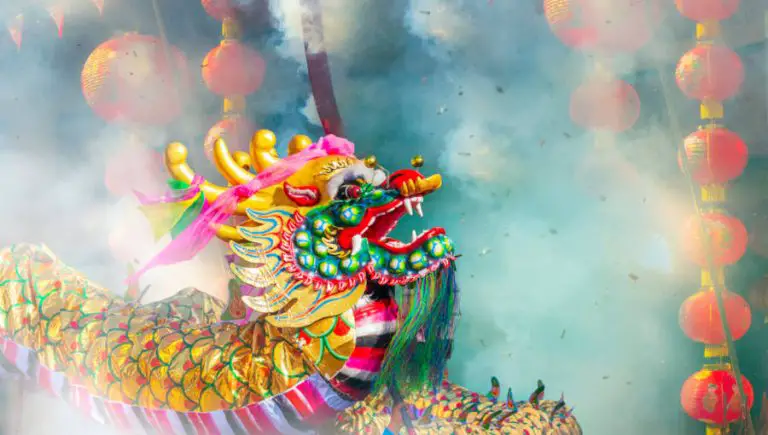

The Chinese Zodiac is often seen as a simple cycle of twelve animals, but its true story runs far deeper than personality charts or yearly predictions. Hidden beneath familiar symbols is a world of myth, cosmic competition, and regional folklore that has shaped Chinese culture for thousands of years.
These animals don’t just mark time — they tell stories.
Stories of clever tricks, divine challenges, and unlikely heroes.
Stories whispered across villages, carried through dynasties, and kept alive in festivals and family rituals.
Many people know the basic zodiac order. Far fewer know why the animals earned their places, how elemental forces shape each sign, or how different regions interpret the same creature in dramatically different ways. The zodiac is a map of ancient imagination, woven from legends that explain everything from human destiny to natural disasters.
When you delve into Chinese Zodiac Myths, you begin to see the zodiac not as a simple list, but as a living tapestry. Each animal carries secret roles, forgotten adventures, and spiritual meanings that reveal how people once made sense of the world.
Ready to go deeper?
Let’s uncover the stories behind the animals — the ones you were never told.
The Origins of the Chinese Zodiac
The Chinese Zodiac began as a way to explain time, human character, and the forces that guide daily life. Its roots stretch back to early astronomy, where ancient observers noticed repeating celestial cycles. Over centuries, storytellers blended these observations with folklore, giving each animal a place in a grand cosmic framework. What started as a practical system for tracking years evolved into a cultural guide filled with symbolism, mythic creatures, and moral lessons.
Chinese Zodiac Myths grew richer as communities across China contributed to shaping the zodiac. Farmers tied each animal to seasonal rhythms. Scholars linked the cycle to philosophy and the balance of nature. Spiritual leaders connected the animals to blessings, protection, and destiny. These layered influences helped the zodiac become one of the most recognizable cultural systems in the world, enriched by legends that continue to spark curiosity today.
The Great Race: The Story Behind the Zodiac Order
The most famous myth explaining the zodiac’s order begins with the Heavenly Emperor. Wanting to organize time, he announced a great race across rivers, hills, and winding paths. The first twelve animals to cross the finish line would earn a place in the zodiac cycle. This divine challenge brought together creatures of all sizes and temperaments, each determined to secure its rank.
The race quickly turned into a showcase of wit and creativity. Some animals relied on speed, while others leaned on teamwork or clever strategy. The Rat’s quick thinking, the Ox’s steady pace, and the Tiger’s unyielding courage became legendary. Surprising turns shaped the race, revealing that intelligence and adaptability could be just as powerful as strength.
As the race unfolded, friendships were tested and rivalries sparked. Some animals formed alliances to overcome obstacles, while others competed fiercely for the lead. When the finish line came into view, every creature made a final push. Moments of loyalty, betrayal, and determination sealed their positions in the zodiac, adding emotional depth to a myth that still fascinates today.
These Chinese Zodiac Myths not only explain the order of the animals but also reflect values and lessons cherished in Chinese culture.
How the Elements and Yin-Yang Shape Zodiac Identity
Beyond the animals themselves, each zodiac sign is shaped by the Five Elements — Wood, Fire, Earth, Metal, and Water. These elements add a deeper layer to personality interpretations, influencing temperament, motivation, and life paths. A Wood Rabbit differs sharply from a Metal Rabbit; a Fire Tiger carries a different energy than a Water Tiger. The elements turn the zodiac into a richly textured system where nature’s cycles mirror human nature.
Every zodiac animal also carries either Yin or Yang energy, representing softness and strength, stillness and movement, introspection and action. Yin signs tend to symbolize inward focus and subtle influence, while Yang signs radiate outward energy and bold expression. Together, the elements and Yin-Yang create a complete portrait of each animal, showing how cosmic forces shape character and destiny in Chinese tradition.
Through the lens of Chinese Zodiac Myths, these layers reveal a system that is as much about storytelling and meaning as it is about marking time.
Find your unique Feng Shui element based on your birthdate, with our free tool, “Feng Shui Element.”
The Rat: The Strategic Trickster
Small but resourceful, the Rat stands at the beginning of the zodiac for good reason. In Chinese folklore, this clever creature represents intelligence, adaptability, and a knack for finding opportunities where others see obstacles. Its stories highlight how wit can outshine strength, shaping the Rat’s reputation as both a survivor and a natural strategist.

The Rat’s Secret Role in Starting the Great Race
When the Heavenly Emperor announced the great race, the Rat immediately recognized that speed alone wouldn’t win the competition. Instead, it relied on strategy. Knowing it couldn’t outrun larger animals, the Rat hopped onto the back of the Ox, trusting the Ox’s steady pace to carry it across rivers and rough terrain. At the final moment, the Rat leaped forward and crossed the finish line first, proving that timing and intelligence can rewrite the rules.
One of the most famous subplots of the race is the Rat’s troubled friendship with the Cat. According to legend, the Cat asked the Rat to wake it on the morning of the race. The Rat agreed — then never did. The Cat overslept, missed the contest entirely, and was left out of the zodiac. This betrayal sparked the age-old rivalry between cats and rats found in many Chinese tales. While the story paints the Rat as cunning, it also highlights themes of ambition and the cost of competition.
Folklore That Paints the Rat as a Symbol of Wealth and Wisdom
Despite its mischievous reputation, the Rat is widely seen as a sign of wealth. In traditional households, spotting a rat was often believed to predict abundance, because rats usually appeared where food was plentiful. Their ability to thrive in almost any environment symbolized a person’s capacity to attract resources and maintain prosperity. This belief made those born in Rat years especially valued for their financial intuition.
Folk stories frequently portray the Rat as a master of problem-solving. Whether stealing grain to save a starving family or navigating dangerous obstacles to outsmart predators, the Rat appears in tales as a creature that survives through wisdom rather than force. These stories highlight perseverance, creativity, and the courage to find unconventional solutions — traits long admired in Chinese culture.
The Ox: The Steady Guardian
The Ox is celebrated throughout Chinese culture as a symbol of endurance, honesty, and grounded strength. While other zodiac animals may dazzle with cleverness or flair, the Ox earns admiration through reliability. In legends and daily life alike, it represents a calm force that supports others, often without seeking recognition.

The Ox’s Quiet Strength and Understated Heroism
During the great race, the Ox’s determination and steady progress placed it firmly in the lead. It carried the Rat across the river without hesitation, simply wanting to help a smaller companion. Yet this kindness made the Ox vulnerable. Just before crossing the finish line, the Rat jumped ahead and claimed first place. Although the Ox ended up second, the story reinforces its noble character — strong enough to win, yet generous enough to help others along the way.
Folklore often portrays the Ox as a loyal partner in both work and spirit. In many stories, the Ox serves as a devoted companion to farmers, scholars, and even wandering heroes. Its patience is legendary. Tales recount how Oxen endure storms, long harvests, and heavy burdens without complaint. Their loyalty shows up not in dramatic gestures but through simple, consistent support that holds entire communities together.
Agricultural Legends and the Ox’s Spiritual Meaning
The Ox has long been tied to agricultural prosperity. As one of the earliest domesticated animals in China, it became essential to plowing fields and sustaining villages. Its presence in farmland was seen as a blessing, ensuring both food security and stable livelihoods. Because of this vital role, the Ox came to symbolize abundance, diligence, and the fruitful rewards of steady effort.
In many rural regions, people traditionally honored the Ox through seasonal rituals. During planting festivals, farmers offered grains or incense to express gratitude for the Ox’s labor. Some villages held ceremonies to “rest the Ox,” believing that showing respect to the animal would bring better harvests. These practices elevated the Ox beyond a working creature — it became a spiritual guardian of the land, embodying the bond between humans and nature.
The Tiger: The Courageous Protector
Bold, fearless, and larger than life, the Tiger holds a powerful place in Chinese mythology. It stands as a creature that confronts danger head-on, making it a natural symbol of protection and authority. Throughout history, people have looked to the Tiger for courage and believed its presence could chase away fear itself.
Myths of Tigers Battling Evil Spirits
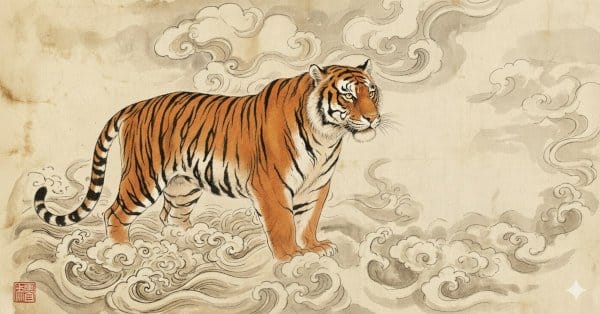
In Chinese folklore, the Tiger is often crowned the “Emperor of All Beasts.” This title reflects its commanding presence and its role as a guardian against chaos. Legends tell of Tigers patrolling mountains, forests, and villages, keeping malevolent spirits at bay. Because of this, many ancient homes displayed Tiger imagery at their entrances to ward off misfortune and protect loved ones from harm.
The Tiger’s signature stripes aren’t just beautiful — they carry symbolic meaning. In Daoist traditions, people believed the pattern on a Tiger’s forehead formed the character “王,” meaning “king.” This natural marking elevated the Tiger to a creature of cosmic authority. Over time, artists used Tiger stripes as talismans, hoping to borrow the animal’s strength to repel evil forces and bring clarity during difficult times.
Zodiac Stories Highlighting the Tiger’s Competitive Spirit
The Tiger’s position in the zodiac highlights its unstoppable drive. Stories describe how it charged into the great race with unmatched energy, pushing ahead with sheer force and determination. Although it didn’t win first place, its performance was so fierce that it secured a top position. This competitive nature shaped the Tiger’s zodiac identity, linking it to leadership, independence, and a willingness to challenge the status quo.
In folk traditions, Tigers are believed to chase away bad luck and evil spirits through their mere presence. Tiger images appear on doors, shields, and homes as talismans, guarding inhabitants from harm. This fierce symbolism enhances the Tiger’s identity as both a warrior and protector in daily life.
The Rabbit: The Moonlit Dreamer
Graceful and gentle, the Rabbit carries an air of quiet mystery in the Chinese Zodiac. Its presence softens the cycle with themes of hope, comfort, and imagination. While some animals are known for power or cunning, the Rabbit shines through its calm spirit and its deep connection to celestial folklore, especially the legends that link it to the moon.
The Rabbit in Lunar Legends and Celestial Folktales
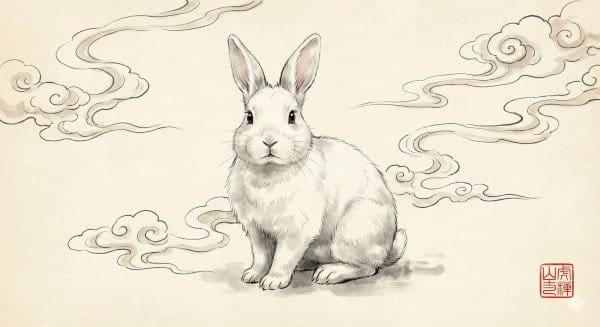
One of the most beloved stories in Chinese mythology tells of the Jade Rabbit who lives on the moon. According to legend, the Rabbit’s kindness impressed the gods so deeply that it was brought to the lunar palace to accompany Chang’e, the Moon Goddess. There, it pounds herbs with a mortar and pestle, creating elixirs and medicines. This tale transformed the Rabbit into a symbol of purity and selflessness, forever tied to the serene glow of the moon.
Folktales describe the Rabbit not as a servant, but as a loyal friend to Chang’e. It illuminates her lonely world with companionship and devotion, embodying the value of steadfast relationships. Many families tell this story during the Mid-Autumn Festival, reminding children that kindness creates bonds strong enough to transcend realms. The Rabbit’s celestial role reflects its gentle nature and its ability to offer comfort even in the quietest spaces.
The Gentle Spirit Behind the Rabbit’s Zodiac Symbolism
In village stories, the Rabbit often appears as a peaceful creature who avoids conflict and seeks harmony. It brings blessings of creativity and fertility, symbolizing new beginnings and the growth of ideas. Folklore portrays Rabbits as artists of the natural world — creatures that inspire poetry, craftsmanship, and gentle wisdom. Their presence often marks a time of renewal and soft optimism.
The Rabbit’s association with good fortune is rooted in its perceived ability to bring balance and serenity. In Chinese culture, embracing the Rabbit’s qualities is believed to invite luck, prosperity, and protection from misfortune—making it a beloved figure in both zodiac astrology and everyday life.
Find Your Chinese Zodiac Sign with our free tool “Chinese Zodiac Sign Finder“
The Dragon: The Mythic Emperor
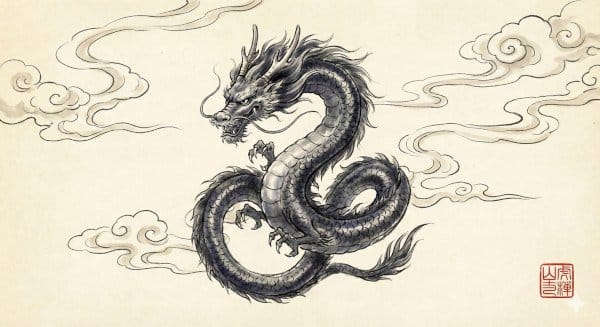
Among all twelve zodiac animals, the Dragon stands apart. It is the only mythical creature in the cycle, and its presence elevates the zodiac from earthly symbolism to legendary grandeur. Revered as a being of wisdom, strength, and supernatural authority, the Dragon embodies the spirit of ancient China and its awe for forces beyond human understanding.
Why the Dragon Is the Only Mythical Animal in the Zodiac
In Chinese history, the Dragon represented the highest form of power. Emperors called themselves “Sons of the Dragon,” and imperial robes were adorned with golden dragon motifs. This association wasn’t just symbolic — it expressed a belief that rulers drew their authority from heavenly realms. Because of this deep connection, the Dragon earned a place in the zodiac not merely as an animal, but as a representation of sovereignty and cosmic order.
Many traditional stories describe Dragons as masters of the natural world. They commanded clouds, summoned rain, and guided rivers across the land. Farmers often prayed to Dragon spirits during droughts or storms, believing that their favor could restore balance to the seasons. These legends reveal why the Dragon became a symbol of life-giving power, capable of shaping both the environment and the fate of entire communities.
Heroic Dragon Tales from Ancient China
Dragons appear in countless stories as guardians of precious relics. Whether protecting ancient scrolls, enchanted jade, or hidden mountainside shrines, they are depicted as noble defenders rather than greedy hoarders. These tales reflect a cultural belief that wisdom and virtue must be safeguarded, and that Dragons stand as protectors of humanity’s most sacred values.
One of the most enduring figures in Chinese mythology is the Dragon King, ruler of the Four Seas. Legends describe underwater palaces filled with shimmering lights, where the Dragon King governs tides, storms, and aquatic creatures. Heroes in classical tales often journey to these crystal kingdoms seeking justice, healing, or divine assistance. The Dragon King’s presence underscores the Dragon’s role as a bridge between the mortal world and the vast, mysterious forces of nature.
Find Your Chinese Zodiac Sign with our free tool “Chinese Zodiac Sign Finder“
The Snake: The Enigmatic Sage
The Snake is one of the most misunderstood animals in the Chinese Zodiac. Rather than symbolizing danger, it represents wisdom, intuition, and the quiet pursuit of truth. Its stories often carry a mystical tone, revealing the Snake as a creature deeply connected to transformation, spiritual insight, and the hidden layers of the natural world.
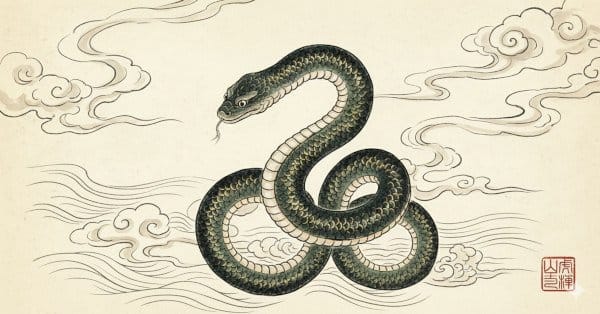
Mystical Tales of Transformation and Spiritual Enlightenment
In Chinese folklore, the Snake’s ability to shed its skin became a powerful symbol of renewal. Villagers saw this transformation as a reminder that people, too, can grow beyond their past and embrace new beginnings. Because of this, Snakes were often linked to healing, self-discovery, and the emotional clarity that follows personal change. These themes helped shape the Snake’s identity as a sign of inner strength and spiritual evolution.
Throughout China, ancient temples once honored Snake deities believed to protect families and offer guidance. Some regions worshipped White Snake spirits known for their compassion and miraculous healing abilities. In other tales, sacred Snakes guarded springs, mountains, or village borders. These deities acted as mediators between humans and the unseen world, reinforcing the Snake’s role as a wise and benevolent guardian rather than a menace.
How the Snake Became Associated With Intelligence and Mystery
Many regional folktales describe Snakes as clever problem-solvers. In some stories, they trick greedy hunters, escape dangerous traps, or teach humans moral lessons through wit rather than force. These tales gave the Snake its reputation for sharp thinking, subtle strategy, and the kind of intelligence that thrives in silence. The Snake’s wisdom is often portrayed as calm and observant — the ability to understand situations long before others do.
While some cultures fear snakes, many Chinese communities view them as symbols of prosperity. People believed that a Snake entering the home brought blessings, especially financial ones. This idea came from the belief that Snakes sought out warm, safe places — signs that good energy and protection were present. In southern regions, families even placed snake-shaped charms near granaries, hoping to attract abundance and keep their stores full throughout the year.
Related Reading: Cursed Shoes, Haunted Buses, and Spirit Games: Exploring China’s Darkest Urban Legends – Opens in new tab
The Horse: The Free-Spirited Adventurer
The Horse gallops through Chinese mythology as a symbol of vitality, freedom, and unrestrained spirit. Known for its bold nature and love of open horizons, the Horse brings a sense of movement to the zodiac. Its stories celebrate courage, loyalty, and the joy of forging one’s own path.
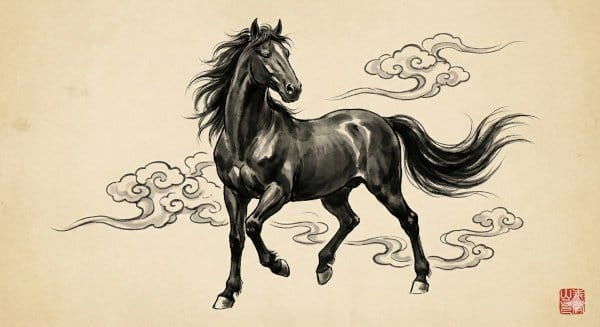
Stories of Heavenly Horses and Untamed Power
Chinese lore often speaks of the “Celestial Horses,” divine creatures believed to descend from the heavens. These magnificent beings were said to run as fast as the wind and sweat drops that shimmered like blood, symbolizing their otherworldly strength. Ancient rulers sought these horses not only for their beauty but for their connection to divine favor. In many tales, the arrival of a Celestial Horse signaled the rise of a powerful leader or the start of a prosperous era.
Speed is at the heart of nearly every Horse legend. Stories portray the Horse as a tireless companion who can race across continents and carry heroes through impossible challenges. Beyond physical swiftness, the Horse represents honor — a creature that stands by its rider with unwavering loyalty. This duality of speed and dignity helped the Horse become a prized symbol in both mythology and military history.
Zodiac Myths That Celebrate the Horse’s Independence
Many folktales portray the Horse as the trusted companion of wanderers and warriors, sharing in their quest for justice, adventure, or self-discovery. These stories highlight the Horse’s adventurous soul and its ability to thrive on exploration.
In zodiac tales, people born in Horse years are often described as wanderers at heart — energetic individuals who excel when given freedom to pursue their own paths. The Horse’s mythology reinforces the idea that independence fuels growth and wisdom.
Horses transformed ancient Chinese society, influencing everything from trade routes to battlefield strategies. Myths reflect this deep cultural impact by portraying the Horse as a bridge between distant lands and communities. In some regions, tales describe Horses guiding travelers through deserts, mountains, and unfamiliar territories. These stories honor the Horse’s role in expanding cultural exchange and shaping the movement of people, ideas, and traditions across time.
Related reading: Your Chinese Zodiac Revealed: What Your Animal Sign Says About You – Opens in new tab
The Goat: The Gentle Healer
Soft-spoken and compassionate, the Goat brings tenderness to the Chinese Zodiac. It is often associated with warmth, empathy, and a quiet resilience that nurtures rather than commands. In folklore, the Goat embodies harmony — a creature that brings people together and soothes hardship through kindness.
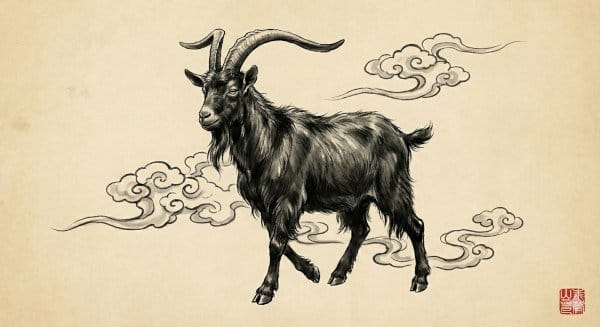
Pastoral Legends Rooted in Kindness and Harmony
Goats have long been linked to rural life, where their milk, wool, and gentle temperament made them essential contributors to village well-being. Many stories describe Goats gathering around families in need or guiding lost travelers back to safety. Because they live peacefully in herds, Goats became symbols of community, reminding people that cooperation strengthens everyone. These legends helped shape the Goat’s zodiac identity as a natural healer who restores balance wherever it goes.
One well-known morality tale tells of a “filial Goat” who kneels while feeding (or, willing to sacrifice for its family), demonstrating gratitude and respect. This gesture inspired generations to view the Goat as a model of filial piety — the virtue of honoring one’s parents. In traditional teachings, this story encouraged children to act with humility, care for their elders, and treat others gently. It remains one of the most memorable examples of how animals were used to pass down moral lessons in Chinese culture.
Why Goats Are Linked to Artistry and Calm Energy
Goats frequently appear in tales where creativity and imagination flourish. Their serene presence is said to inspire artists, poets, and musicians, offering clarity during moments of creative struggle. Some legends describe Goats wandering through misty mountains and flowering valleys — landscapes that symbolize poetic thought and artistic freedom. This association cemented the Goat’s role as a muse for those seeking beauty in everyday life.
The Goat also carries a strong spiritual meaning in many regions. Its calm nature made it a symbol of peace, often used in rituals to bless new homes or soothe family conflicts. In some traditions, placing Goat imagery in a household was believed to attract harmony and dispel tension. These spiritual connections highlight the Goat’s gentle role in the zodiac: a quiet force that encourages emotional balance and inner calm.
The Monkey: The Clever Rebel
Lively, curious, and endlessly inventive, the Monkey brings a spark of rebellion to the Chinese Zodiac. It thrives on challenges and delights in bending the rules, not out of malice but out of curiosity and imagination. In myths and everyday sayings, the Monkey represents quick thinking, humor, and the courage to question what others accept.
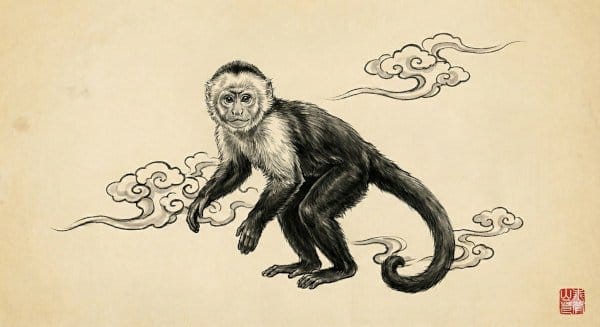
The Monkey King’s Enduring Legacy
No Monkey myth is more famous than the story of Sun Wukong, the Monkey King from Journey to the West. Born from a magical stone and gifted with incredible strength, speed, and shape-shifting powers, Sun Wukong quickly became a legendary figure. He challenged heavenly beings, outwitted demons, and mastered martial arts with unmatched determination. Although mischievous, his courage and loyalty made him a hero — a symbol of intelligence guided by heart.
The Monkey King’s legacy deeply shaped how people view those born under the Monkey sign. His traits — bold curiosity, clever humor, and the willingness to break boundaries — became qualities associated with Monkey personalities. Sun Wukong’s journey from rebellious troublemaker to enlightened protector also reinforced the idea that Monkeys possess great potential for growth when their energy is guided by purpose.
Monkey Myths That Emphasize Wit Over Strength
Across China, Monkey folktales often highlight situations where brains win over brawn. In many stories, Monkeys cleverly escape traps, trick greedy landlords, or help villagers by outsmarting dangerous spirits. These tales celebrate intelligence, adaptability, and the ability to view problems from unexpected angles. They reflect a cultural admiration for creative solutions and quick reflexes — qualities the Monkey embodies perfectly.
Monkeys also appear in stories where they shake up stagnant situations. Sometimes they challenge unfair rules; other times they inspire entire communities to rethink old habits. Their playful nature is portrayed not as chaos, but as a reminder that change is necessary for growth. Because of this, the Monkey is often viewed as a catalyst — a creature who can stir movement, inspire innovation, and push people toward new possibilities.

The Rooster: The Dawn Messenger
Bright, alert, and full of determination, the Rooster symbolizes clarity and renewal in the Chinese Zodiac. Its call at sunrise has long been regarded as a bridge between night and day — a signal that darkness has passed and life can begin again. In folklore, the Rooster stands as a vigilant guardian, boldly announcing light even when shadows linger.
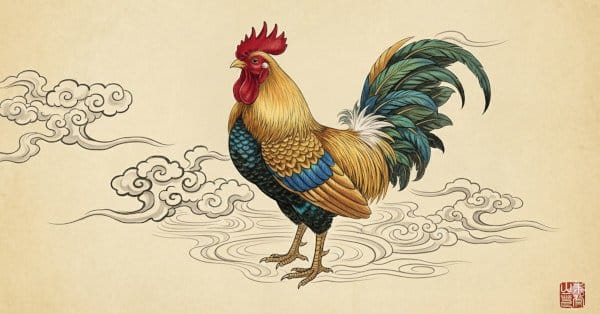
Cosmic Myths About Roosters Chasing Away Darkness
Ancient stories often describe the Rooster’s crow as a force that drives away evil spirits. According to folklore, ghosts and malevolent beings fear the coming of dawn, and the Rooster’s call announces their time is over. Because of this belief, Rooster imagery was placed on gates, rooftops, and even children’s clothing to ensure protection throughout the night. Its voice became a symbol of courage — a small creature declaring victory over the darkness.
In traditional rituals, Roosters played a meaningful role in cleansing ceremonies. Some communities used Roosters to symbolically “sweep away” bad luck before New Year celebrations, while others offered them in prayers for good harvests and safe travels. These practices highlighted the Rooster’s spiritual importance as a messenger to the heavens, capable of carrying human hopes into the realm of the divine.
How the Rooster Became a Symbol of Confidence and Clarity
Folktales often portray the Rooster as a fearless leader among barnyard animals. In many stories, it is the first to confront danger, rallying others with its commanding presence. Whether standing up to prowling foxes or guiding lost travelers with its bright plumage, the Rooster consistently appears as a creature that leads with boldness. These qualities shaped its zodiac symbolism, linking the Rooster to confidence, discipline, and natural authority.
One of the Rooster’s most admired traits is its unwavering routine. It crows at dawn with perfect timing, reminding people of the value of consistency and clarity. In household sayings, the Rooster represents focus — the ability to rise with purpose and express oneself without hesitation. This sense of direction, combined with its keen observation, explains why those born under the Rooster sign are often seen as sharp-minded and dependable.
The Dog: The Faithful Guardian
Steadfast and true-hearted, the Dog stands as one of the most beloved figures in the Chinese Zodiac. It represents trust, courage, and a natural instinct to protect. In myths and everyday beliefs, the Dog is the companion who never wavers — a guardian whose loyalty brings comfort and safety to all who depend on it.
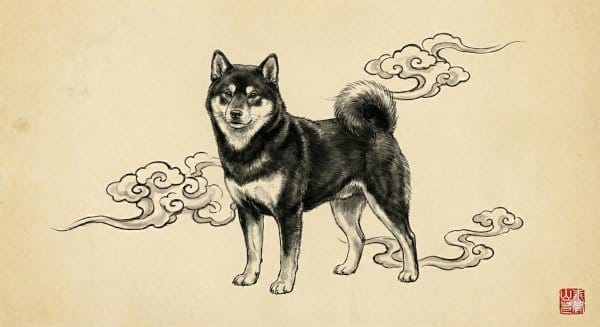
Protection Legends Rooted in Loyalty and Bravery
Many village tales feature heroic Dogs who shield entire communities from danger. In some stories, a Dog senses an approaching flood and leads everyone to higher ground. In others, it confronts wild animals or alerts families before disaster strikes. These tales emphasize the Dog’s unwavering devotion, portraying it as a silent protector who risks everything for the people it loves. Such legends helped establish the Dog as a symbol of courage embedded deep in everyday life.
Beyond physical bravery, the Dog also has a spiritual role in Chinese folklore. Some regions believed Dogs could detect harmful spirits long before humans noticed their presence. Families kept Dog talismans at their doors or placed Dog statues at temple entrances, trusting them to guard the threshold between the living and the unseen. This belief strengthened the Dog’s image as a faithful guardian, both in this world and beyond it.
Why the Dog Represents Justice and Moral Strength
Mythology is filled with Dogs who act as noble helpers or righteous fighters. In several classical tales, Dogs accompany heroes on their journeys, offering guidance through treacherous mountains or dark forests. Some legends describe divine Dogs who hunt down evil spirits or punish wrongdoers, reminding people that justice always finds its way. These stories positioned the Dog as a symbol of moral clarity — a creature that stands firmly on the side of what is right.
Perhaps the most enduring image of the Dog is its fierce loyalty. Folktales tell of Dogs that wait years for their masters, protect children with their lives, or refuse to abandon their homes after a loved one passes away. These stories carry a simple but powerful message: true loyalty is unwavering. Because of this, the Dog became a zodiac sign associated with devotion, integrity, and the deep bonds that hold families together.
The Pig: The Prosperous Peacemaker
Gentle, kind, and indulgent in the joys of life, the Pig brings warmth and contentment to the Chinese Zodiac. Unlike some zodiac animals driven by ambition or cunning, the Pig embodies ease, generosity, and a love of comfort. Its stories celebrate abundance, familial harmony, and the simple pleasures that make life meaningful.
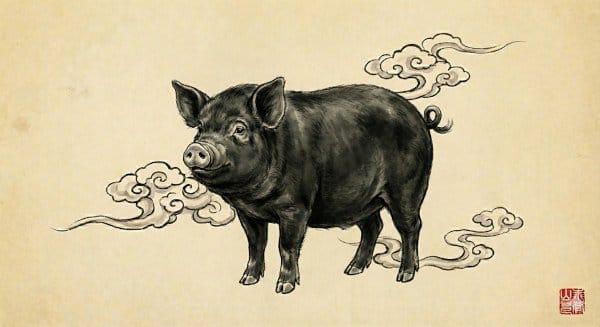
Myths That Explain the Pig’s Easygoing Nature
Legend has it that the Pig’s calm nature led it to fall behind in the great race that determined the zodiac order. Along the way, it paused to enjoy a meal or take a nap, arriving last yet still earning a place in the cycle. This story highlights the Pig’s unhurried, contented temperament — a reminder that patience and self-satisfaction are valuable traits in their own right.
Many folktales portray the Pig as a creature closely tied to feasts, harvests, and communal celebrations. Its presence often signals a season of plenty, where families gather to share food and joy. These stories link the Pig with generosity and sociability, reinforcing its image as a creature that thrives on community and simple happiness.
Cultural Legends Connecting Pigs to Luck and Comfort
Across regions, the Pig has been associated with prosperity and financial well-being. Farmers and merchants alike considered pigs a sign of abundance, since a healthy pig meant a reliable source of food and resources. Over time, this symbolism extended into broader cultural beliefs: Pigs became icons of good fortune, attracting wealth and stability to households and communities.
Beyond material wealth, the Pig embodies satisfaction with life. Legends celebrate its gentle nature, emphasizing the joy of living in harmony with others and savoring life’s pleasures. The Pig’s easygoing character teaches that contentment — whether through family, food, or leisure — is a form of prosperity just as valuable as gold or grain. This duality of comfort and luck makes the Pig a cherished symbol in Chinese culture.
Unusual Regional Variations in Zodiac Myths
While the Chinese Zodiac is widely recognized across China, its stories are far from uniform. Each province, village, and ethnic group has contributed unique interpretations, resulting in a rich tapestry of myths that reveal local values, environments, and spiritual beliefs.
How Different Chinese Provinces Interpret Each Animal
In southern China, zodiac tales often emphasize wit, cleverness, and the natural beauty of rivers and mountains. Animals may take on traits inspired by local landscapes — for instance, the Rat might be celebrated for navigating waterways, while the Dragon is tied to monsoon rains.
In contrast, northern regions focus on endurance, strength, and survival in harsher climates. Here, the Ox is lauded for plowing frozen fields, and the Tiger is revered as a guardian against wild animals. These regional distinctions highlight how geography and lifestyle shape the characteristics attributed to each zodiac animal.
China’s diverse minority groups have added their own flavors to zodiac mythology. The Miao, Tibetan, and Zhuang communities, among others, reinterpret familiar animals in ways that reflect their spiritual practices and local histories. Some groups incorporate hybrid creatures, transform certain animals into deities, or assign additional roles to zodiac signs. These variations demonstrate that the zodiac is not a static system but a living cultural dialogue shaped by countless voices.

Rare Zodiac Tales Passed Down Through Oral Tradition
In remote villages, oral storytelling preserves unusual zodiac tales that rarely appear in books. These stories often accompany rituals — offerings to animals, seasonal festivals, or ancestral ceremonies. Some tales describe extraordinary feats, secret alliances between animals, or moral lessons specific to local circumstances. Over time, these narratives become treasured fragments of cultural memory, keeping unique interpretations alive even as mainstream versions dominate.
Some communities recognize “spirit animals” not included in the official twelve signs but deeply intertwined with local lore. For example, foxes, cranes, or mythical beasts may appear alongside standard zodiac animals, influencing personality traits, omens, and rituals. These additions show that the zodiac is adaptable, capable of absorbing regional spiritual insights while maintaining its core structure. Such localized myths enrich the overall understanding of Chinese zodiac symbolism, revealing a diversity of belief that spans both time and geography.
Symbolic Meaning and Modern Interpretations
The Chinese Zodiac is far more than an ancient calendar — it continues to shape daily life, cultural practices, and personal identity across China and the world. Its symbols carry meaning in both public celebrations and private rituals, blending ancient wisdom with modern lifestyles.
How the Zodiac Continues to Influence Life Today
Zodiac animals play a central role in traditional festivals, especially the Lunar New Year. Families decorate their homes with animal imagery, prepare symbolic foods, and perform rituals designed to honor the animal of the year. Birth ceremonies also incorporate zodiac signs, influencing naming practices, compatibility advice, and guidance for a child’s future. Even casual social interactions often reference zodiac traits, demonstrating how deeply these stories are woven into the fabric of daily life.
In contemporary culture, the zodiac has merged with astrology and personality interpretation. Many people consult zodiac charts to understand their own tendencies or assess relationships. Books, apps, and online platforms provide modern analyses, offering insights into compatibility, career choices, and personal growth. While rooted in folklore, these interpretations show how traditional mythology continues to adapt, remaining relevant to new generations.
Find Your Chinese Zodiac Sign with our free tool “Chinese Zodiac Sign Finder“
Why These Myths Still Matter in Contemporary Culture
The myths behind each animal carry moral, spiritual, and practical lessons. Tales of loyalty, cleverness, courage, and patience remain guides for human behavior, offering timeless wisdom. Whether teaching the importance of strategy like the Rat or the value of perseverance like the Ox, these stories help people navigate challenges with ethical and emotional insight.
Beyond China, the zodiac resonates globally because animals serve as universal metaphors for human traits. Courage, wisdom, loyalty, and creativity are qualities people everywhere recognize. The enduring appeal of these myths lies in their ability to connect human experiences to the natural and spiritual worlds, reminding us that storytelling, symbolism, and imagination are timeless tools for understanding life.
Conclusion: Rediscovering the Depth and Magic of the Zodiac
The Chinese Zodiac is far more than a simple calendar or a guide to personality traits. It is a rich tapestry of myth, culture, and wisdom, woven over thousands of years through stories, rituals, and artistic expression. Each animal carries layers of meaning — from the Rat’s cleverness to the Dragon’s cosmic authority — and reflects humanity’s enduring fascination with the natural and spiritual worlds.
By exploring these myths, we rediscover lessons about courage, loyalty, creativity, and compassion. We see how folklore shaped communities, inspired art, and guided moral behavior. Even in contemporary life, the zodiac continues to influence festivals, family traditions, and personal reflection, bridging the gap between past and present.
Ultimately, the zodiac reminds us that stories matter. They preserve cultural memory, connect us to our ancestors, and illuminate human experience in ways that transcend time. Each animal invites us to reflect, learn, and marvel — revealing that behind every familiar sign lies a universe of imagination, wisdom, and magic waiting to be rediscovered.
Related reading: Feng Shui Tips for Each Chinese Zodiac Sign – Opens in new tab
Stay in Touch
 Join our newsletter by using the forms on this website or click here!
- Follow us on Google News
- Follow us on Facebook