For thousands of years, Traditional Chinese Medicine (TCM) has viewed health not as the mere absence of disease, but as a vibrant, daily balance of habits. Long before modern wellness trends popularized mindful eating and gentle movement, ancient Chinese physicians prescribed dietary therapy and Qigong as foundational lifestyle medicines. Rather than waiting to treat symptoms after they appear, TCM empowers individuals to cultivate vitality proactively.
At the heart of this preventative approach are two powerful practices: eating in harmony with your unique physical constitution, and engaging in mindful movement to cultivate Qi, your body’s vital energy.
Food and movement are not just daily necessities in this tradition; they are the most accessible and profound tools for healing. By understanding the energetic properties of what you eat and learning to guide your breath and posture, you can transform ordinary routines into powerful medicine.
This guide will walk you through the principles of TCM dietary therapy and Qigong, showing you how to align your lifestyle with your body’s natural rhythms for lasting health and balance.
Foundations of TCM Lifestyle Medicine
Traditional Chinese Medicine (TCM) does not view the human body as a collection of isolated parts. Instead, it sees a deeply interconnected system influenced by nature, emotions, and daily habits.
To understand how dietary therapy and Qigong heal the body, we must first explore the core philosophical frameworks that guide this ancient medical system.
The Concept of Qi and Its Role in Health
At the heart of TCM is Qi (pronounced “chee”), often translated as vital energy or life force. Qi is the fundamental substance that animates all living things and drives every physiological function in the body.
It warms you, protects you from external pathogens, and transforms the food you eat into blood and energy.
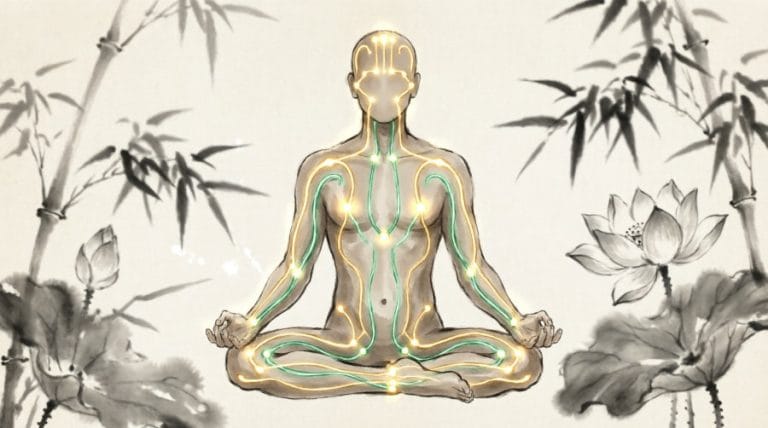
Health, in the TCM perspective, is simply the smooth and abundant flow of Qi. When Qi flows freely through the body’s meridian pathways, you experience vitality and well-being.
However, stress, poor diet, or lack of movement can cause Qi to become deficient, stagnant, or rebellious (flowing in the wrong direction). Practices like Qigong are specifically designed to cultivate and guide this energy, while dietary therapy provides the raw materials to keep Qi strong and flowing.

Yin-Yang Balance in Everyday Living
If Qi is the energy of life, Yin and Yang are the forces that govern how that energy behaves. Originating from ancient Daoist philosophy, Yin and Yang represent opposite yet deeply complementary aspects of the universe. Yin is associated with coolness, rest, darkness, and substance, while Yang represents warmth, activity, light, and function.
In everyday living, health relies on a dynamic balance between these two forces. For example, physical activity (Yang) must be balanced with adequate sleep and recovery (Yin).
Eating warming, spicy foods (Yang) should be offset by cooling, hydrating foods (Yin) to prevent internal heat. When Yin and Yang fall out of balance, symptoms arise.
A person with too much Yang might experience inflammation or insomnia, while someone with excess Yin might feel sluggish and cold. TCM lifestyle medicine uses food and movement to gently correct these imbalances and restore harmony.
The Five Elements and Their Connection to the Body
To add another layer of complexity, TCM utilizes the Five Elements theory—Wood, Fire, Earth, Metal, and Water. This framework maps the natural world to the human body, illustrating how different systems interact and support one another.
Each element corresponds to specific internal organs, emotions, seasons, and even flavors. For instance, the Wood element connects to the liver and the emotion of anger, thriving in the spring.
The Fire element relates to the heart and joy, peaking in summer. Earth governs the digestive system and worry during late summer. Metal rules the lungs and grief in autumn, and Water anchors the kidneys and fear in winter.
Understanding the Five Elements allows practitioners to look at the whole person. If you are experiencing digestive issues (Earth), a TCM practitioner might also look at your stress levels (Wood), since Wood naturally overacts on Earth in the elemental cycle.
This holistic map is exactly what makes personalized dietary therapy and targeted Qigong practices so effective, as they aim to nourish the specific elements that need support.
The Five Elements and Their Correspondences
In Traditional Chinese Medicine, the Five Elements (Wu Xing) provide a map of how nature and the human body interact. This table illustrates the key associations for each element, helping you understand how specific foods, seasons, and emotions connect to your internal organs.
| Element | Organ System (Yin / Yang) | Season | Flavor | Primary Emotion | Color | Example Foods |
| Wood (Mu) | Liver / Gallbladder | Spring | Sour | Anger / Frustration | Green | Leafy greens, bean sprouts, green tea, vinegar, kiwi |
| Fire (Huo) | Heart / Small Intestine | Summer | Bitter | Joy / Overexcitement | Red | Red beans, tomatoes, bitter melon, goji berries, strawberries |
| Earth (Tu) | Spleen / Stomach | Late Summer* | Sweet (Natural) | Worry / Pensiveness | Yellow | Sweet potatoes, pumpkin, oats, corn, Chinese yam |
| Metal (Jin) | Lungs / Large Intestine | Autumn | Pungent (Spicy) | Grief / Sadness | White | Daikon radish, pears, garlic, onions, white wood ear fungus |
| Water (Shui) | Kidneys / Bladder | Winter | Salty | Fear / Shock | Black / Dark | Black sesame, seaweed, black beans, walnuts, bone broth |
*Late Summer in TCM refers to the transitional, humid period between seasons, often associated with the harvest.
Understanding Your TCM Body Constitution
In Traditional Chinese Medicine, there is no single “perfect” diet or exercise routine that works universally for everyone. What heals one person might cause discomfort in another. This is where the concept of body constitution comes into play, serving as the foundation for truly personalized lifestyle medicine.
What Is a Body Constitution in TCM?
In TCM, your body constitution (known as Tǐzhì) is your unique physical and psychological blueprint. It is the relatively stable set of characteristics you are born with, which is then continuously shaped by your environment, diet, emotions, and lifestyle choices over your lifetime.
Think of your constitution like the specific type of soil in a garden. If you have sandy soil, you will need to water and fertilize it differently than if you have rich, dense clay.
Similarly, two people might eat the exact same bowl of ice-cold salad. One person with a robust, “warm” constitution might digest it perfectly fine, while another with a “cold” constitution might immediately experience bloating and fatigue.
Understanding your constitution allows you to tailor your food and movement practices to your specific internal environment, preventing illness before it starts.
Overview of the Nine Constitution Types
Modern TCM, building upon ancient texts, generally categorizes human constitutions into nine distinct types. One represents perfect health, while the other eight represent various states of imbalance.
- Balanced Constitution: The ideal state. People with this constitution have abundant energy, a rosy complexion, sound sleep, and excellent digestion. They adapt well to changes in weather and rarely get sick.
- Qi-Deficient Constitution: The “low battery” type. These individuals often feel fatigued, have a weak voice, experience shortness of breath, and catch colds easily due to a weakened immune system.
- Yang-Deficient Constitution: The “chill” type. Lacking the body’s warming energy, they frequently have cold hands and feet, prefer warm drinks, and feel uncomfortable in cold weather.
- Yin-Deficient Constitution: The “dry and warm” type. Lacking the body’s cooling and moistening fluids, they often feel thirsty, have dry skin, and experience warmth in their palms and soles, especially in the afternoon.
- Phlegm-Dampness Constitution: The “sluggish” type. Characterized by an accumulation of metabolic waste, these individuals tend to carry extra weight, feel physically heavy, have oily skin, and may snore loudly.
- Damp-Heat Constitution: The “steamy” type. A combination of moisture and internal heat, leading to a prone to acne, an oily face, a bitter taste in the mouth, and loose or sticky bowel movements.
- Blood-Stasis Constitution: The “stuck” type. Poor blood circulation leads to a dull complexion, dark lips, a tendency to bruise easily, and occasional sharp, fixed pains in the body.
- Qi-Stagnation Constitution: The “tense” type. Often linked to unexpressed emotions or stress, these individuals may feel moody, sigh frequently, and experience a sensation of a lump in the throat or tightness in the chest.
- Special (Inherited) Constitution: The “sensitive” type. These individuals are highly prone to allergies, asthma, eczema, or other congenital sensitivities, reacting strongly to environmental triggers like pollen or specific foods.

The Nine TCM Constitution Types: A Quick Reference Guide
Understanding your constitution is the first step toward personalized health. This table summarizes the nine primary body types in Traditional Chinese Medicine, highlighting their key traits and the most effective dietary and movement strategies for each.
| Constitution Type | Key Characteristics | Common Symptoms | General Dietary Approach | Recommended Qigong Focus |
| 1. Balanced (Ping He) | Harmonious, adaptable, resilient. | Rosy complexion, sound sleep, good digestion, steady energy. | Eat a balanced variety of neutral, whole foods. Avoid extremes. | Any style; Ba Duan Jin (Eight Brocades) is excellent for maintenance. |
| 2. Qi-Deficient (Qi Xu) | Low energy, weak digestive fire. | Fatigue, shortness of breath, weak voice, prone to catching colds. | Warm, cooked, easily digestible foods. Emphasize Chinese yam, dates, and oats. | Gentle, grounding practices. Zhan Zhuang (Standing Meditation) to build foundational energy. |
| 3. Yang-Deficient (Yang Xu) | Lacks internal warmth and metabolic fire. | Cold hands and feet, fear of cold, pale complexion, loose stools. | Warming, cooked foods. Include ginger, lamb, cinnamon, and walnuts. Avoid raw/cold items. | Warming, energizing movements. Practice facing the morning sun to absorb Yang energy. |
| 4. Yin-Deficient (Yin Xu) | Lacks cooling, moistening fluids. | Dry mouth/skin, heat in palms and soles, afternoon warmth, restless sleep. | Cooling, hydrating, and moistening foods. Emphasize pears, lily bulb, tofu, and goji berries. | Calming, slow-paced practices. Focus on deep breathing to nourish fluids and calm the mind. |
| 5. Phlegm-Damp (Tan Shi) | Sluggish metabolism, fluid retention. | Feeling physically heavy, oily skin, weight gain, sticky tongue coating. | Light, bland, and diuretic foods. Emphasize coix seed (Job’s tears), winter melon, and radish. | Active, flowing movements to stimulate circulation and help the body drain excess moisture. |
| 6. Damp-Heat (Shi Re) | Internal heat combined with moisture. | Acne, oily face, bitter taste in mouth, heavy limbs, sticky bowel movements. | Cooling and damp-clearing foods. Emphasize mung beans, bitter melon, celery, and cucumber. | Moderate, rhythmic practices that encourage gentle sweating to release trapped heat. |
| 7. Blood-Stasis (Xue Yu) | Poor microcirculation and energy flow. | Dull or dark complexion, dark lips, easy bruising, fixed or sharp pains. | Blood-invigorating foods. Emphasize hawthorn berry, black wood ear fungus, and rose tea. | Dynamic, expansive movements to unblock meridians and invigorate blood circulation. |
| 8. Qi-Stagnation (Qi Yu) | Energy is “stuck,” often due to stress. | Mood swings, frequent sighing, chest or rib-side tightness, feeling a lump in the throat. | Aromatic, Qi-moving foods. Emphasize citrus, daikon radish, chrysanthemum, and mint. | Stress-relieving, expansive practices like Wu Qin Xi (Five Animal Frolics) to release tension. |
| 9. Special (Te Bing) | Hypersensitive or allergic constitution. | Prone to allergies, asthma, hives, or reactions to specific foods, pollen, or seasons. | Gentle, hypoallergenic, and neutral foods. Avoid known triggers and highly stimulating foods. | Very gentle, restorative practices. Focus on breath regulation and avoiding overexertion. |
Note: It is very common to have a primary constitution with a secondary one (e.g., Qi-Deficient with Qi-Stagnation). When in doubt, focus on strengthening the Spleen and Stomach with warm, cooked foods, as this supports all constitution types.
How to Identify Your Dominant Constitution
Identifying your constitution is a journey of self-awareness. While it is highly recommended to consult a licensed TCM practitioner for an official assessment using tongue and pulse diagnosis, you can begin identifying your dominant type through daily observation.
Start by paying attention to your body’s natural preferences and reactions. Do you naturally reach for hot water or ice water? Do you tend to feel energetic after a meal or sluggish? How do you react to stress?
Observing the physical appearance of your tongue is also a highly effective daily tool; for instance, a pale, puffy tongue often points to Yang or Qi deficiency, while a red, dry tongue suggests Yin deficiency.
Additionally, standardized TCM constitution questionnaires are widely available online and in clinics. These surveys ask detailed questions about your physical symptoms, emotional state, and daily habits to calculate your scores across the nine types.
Keep in mind that your constitution is not entirely fixed. It can shift over time due to aging, prolonged stress, or changes in diet. Furthermore, it is very common to have a primary constitution with a secondary one, such as being primarily Qi-Deficient but also experiencing Qi-Stagnation.
Curious to learn more about Traditional Chinese Medicine? 📚
Explore a selection of beginner-friendly and in-depth TCM books and start deepening your understanding today.(Aff.link)👉
Principles of TCM Dietary Therapy
In Traditional Chinese Medicine, the kitchen is considered the first pharmacy. Long before the advent of modern nutritional science, which largely focuses on calories, macronutrients, and vitamins, ancient Chinese physicians developed a sophisticated system of dietary therapy. This approach evaluates food based on its energetic properties and its profound impact on the body’s internal environment.
Food as Medicine: The TCM Perspective
There is a foundational proverb in Chinese culture: Yao shi tong yuan, which translates to “medicine and food share the same origin.” In TCM, food is not merely fuel; it is the gentlest and most consistent form of medicine.
While herbal formulas are used to treat acute or severe imbalances, daily meals are used to maintain harmony, nourish the organs, and build Qi and Blood.
When you eat, your digestive system (primarily the Spleen and Stomach in TCM) works to extract the vital essence from the food and transform it into usable energy.
If you consume high-quality, energetically appropriate foods, this transformation is smooth, resulting in abundant vitality. If you consume foods that clash with your body’s needs, the digestive system struggles, leading to the accumulation of dampness, heat, or stagnation. Therefore, dietary therapy is about choosing foods that actively support your body’s specific healing processes.
Thermal Nature of Foods (Hot, Warm, Neutral, Cool, Cold)
One of the most unique aspects of TCM dietary therapy is the classification of food by its thermal nature. This does not refer to the physical temperature of the food (like ice cream versus hot soup), but rather the energetic effect the food has on your body after it is digested. Foods are categorized into five thermal natures: hot, warm, neutral, cool, and cold.
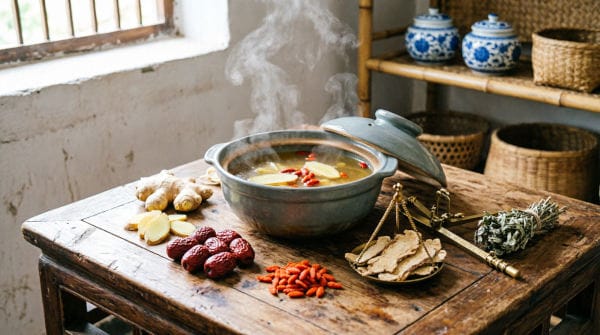
- Hot and Warm Foods: These include ingredients like ginger, cinnamon, lamb, garlic, and black pepper. They have a warming effect, stimulate circulation, dispel internal cold, and boost Yang energy. They are excellent for people with cold constitutions or during the winter months.
- Cool and Cold Foods: Ingredients like watermelon, cucumber, mint, bitter melon, and crab possess a cooling effect. They clear internal heat, reduce inflammation, and nourish Yin. They are ideal for people with hot constitutions or during the peak of summer.
- Neutral Foods: Foods like rice, oats, pork, corn, and most everyday vegetables are neutral. They neither heat nor cool the body significantly. Instead, they provide balanced nourishment and are the foundation of a stable, everyday diet.
By understanding these thermal properties, you can use food to gently correct your body’s temperature imbalances. For instance, if you frequently feel chilled and have poor circulation, adding warm ginger to your meals can help restore your internal fire.
The Thermal Nature of Foods: A Practical Guide
In Traditional Chinese Medicine, food is categorized by the energetic effect it has on the body after digestion, not its physical temperature. Understanding these five thermal natures allows you to use your meals to gently correct internal imbalances and support your specific constitution.
| Thermal Nature | Common Food Examples | Best For These Constitutions | Ideal Seasons & Conditions |
| Hot (Re) | Ginger, cinnamon, chili peppers, lamb, Sichuan peppercorn, cloves. | Severe Yang-Deficiency, Cold-Stagnation. | Deep winter, or after acute exposure to cold and damp weather (e.g., catching a chill). |
| Warm (Wen) | Chicken, beef, walnuts, leeks, black pepper, pumpkin, sweet potato. | Qi-Deficient, Yang-Deficient. | Autumn and winter, or anytime digestion feels sluggish, cold, or bloated. |
| Neutral (Ping) | Rice, pork, corn, carrots, potatoes, most beans, eggs. | All constitutions; especially Balanced types or those with sensitive digestion. | Year-round. These foods form the safe, stabilizing foundation of daily meals. |
| Cool (Liang) | Duck, tofu, cucumber, mint, pear, spinach, barley. | Yin-Deficient, Damp-Heat. | Late spring and summer, or when experiencing mild internal heat (e.g., dry mouth, mild sore throat). |
| Cold (Han) | Watermelon, bitter melon, crab, mung beans, seaweed, aloe. | Severe Damp-Heat, excess Fire. | Peak summer heat, or during acute inflammatory conditions. (Use with caution if you run cold). |
A Quick Tip for Daily Use: You do not need to strictly avoid any category forever. Instead, use this table to create balance. For example, if you are eating a “cold” food like crab, traditional Chinese cuisine often pairs it with a “warm” ingredient like ginger and vinegar to neutralize its chilling effect on the stomach.
The Five Flavors and Their Effects on the Organs
In TCM, taste is not just a culinary experience; it is a diagnostic and therapeutic tool. The Huangdi Neijing (The Yellow Emperor’s Classic of Internal Medicine) categorizes flavors into five types, each with a specific affinity for a corresponding organ system and a distinct physiological action.
- Sour: Enters the Liver. Sour flavors (like vinegar, lemon, and tomato) have an astringent quality. They help to hold things in, preventing the excessive loss of bodily fluids, and can soothe a hyperactive Liver.
- Bitter: Enters the Heart. Bitter flavors (like bitter melon, dark leafy greens, and coffee) clear heat, dry dampness, and direct energy downward. They are excellent for clearing inflammation and calming the mind.
- Sweet: Enters the Spleen. In TCM, “sweet” refers to the natural sweetness of whole foods like sweet potatoes, grains, and squash, not refined sugar. Sweet flavors tonify, harmonize, and moisten the body, providing essential energy to the digestive system.
- Pungent (Spicy): Enters the Lungs. Pungent flavors (like radishes, scallions, and mild spices) disperse and move Qi and blood. They are often used to induce sweating, release the exterior, and clear congestion during the early stages of a cold.
- Salty: Enters the Kidneys. Salty flavors (like seaweed, kelp, and miso) soften hardness and have a downward, purging effect. They are beneficial for the kidneys and can help dissolve nodules or soften hardened accumulations.
A healthy diet naturally incorporates all five flavors to nourish all five organ systems. However, when treating a specific condition, a TCM practitioner will emphasize the flavors that benefit the affected organs while advising moderation in the others.
| Flavor | Element | Target Organ System | Therapeutic Action | Food Examples | Caution (Effects of Excess) |
| Sour (Suan) | Wood | Liver & Gallbladder | Astringent & Consolidating: Helps hold in fluids, stops excessive sweating or leakage, and calms an overactive Liver. | Lemon, vinegar, tomato, plum, fermented foods. | Too much sour overstimulates Wood, which can weaken the Spleen and cause digestive stagnation. |
| Bitter (Ku) | Fire | Heart & Small Intestine | Clearing & Descending: Clears internal heat, reduces inflammation, dries dampness, and directs rebellious Qi downward. | Bitter melon, dark leafy greens, green tea, coffee. | Too much bitter can damage the body’s cooling Yin fluids and weaken the Lungs (Metal). |
| Sweet (Gan) | Earth | Spleen & Stomach | Tonifying & Harmonizing: Nourishes the body, builds energy, relieves painful spasms, and harmonizes the effects of other herbs/foods. | Sweet potato, rice, oats, dates, honey, Chinese yam. | Too much natural sweet creates sluggishness and dampness, eventually weakening the Kidneys (Water). |
| Pungent (Xin) | Metal | Lungs & Large Intestine | Dispersing & Moving: Stimulates circulation, induces sweating to release colds, and moves stagnant Qi and Blood. | Ginger, scallions, garlic, mint, daikon radish, black pepper. | Too much pungent scatters and depletes Qi, and can overstimulate the Liver (Wood). |
| Salty (Xian) | Water | Kidneys & Bladder | Softening & Purging: Softens hard masses (like nodules), lubricates the intestines, and draws energy deep into the body’s core. | Seaweed, kelp, miso, oysters, naturally salty broths. | Too much salt damages the blood and can overtax the Heart (Fire). |
Note: In TCM dietary therapy, “sweet” refers to the complex carbohydrates and natural sugars found in whole grains, root vegetables, and fruits, rather than refined, processed white sugar, which is considered damaging to the Spleen.
Seasonal Eating in Chinese Dietary Tradition
Human beings are a microcosm of the natural world, meaning our internal environment should reflect the external environment. Eating according to the seasons is a core principle of TCM, ensuring that our diet supports the body’s natural rhythms as they shift throughout the year.
- Spring (Wood): As nature awakens, energy rises. The diet should support the Liver by incorporating sprouts, green leafy vegetables, and mildly pungent flavors like chives and onions to help Qi flow smoothly.
- Summer (Fire): The season of peak Yang and heat. The focus shifts to the Heart, and the diet should include cooling, hydrating foods like watermelon, cucumber, and mung beans, along with bitter flavors to clear excess heat.
- Late Summer (Earth): Associated with the harvest and dampness, this transitional season requires grounding foods. Sweet, root vegetables, squashes, and grains are emphasized to strengthen the Spleen and manage humidity.
- Autumn (Metal): The air becomes dry and cool, affecting the Lungs. The diet should focus on moistening foods like pears, honey, almonds, and white foods like daikon radish and lily bulb to protect the respiratory system from dryness.
- Winter (Water): A time of storage and deep cold, requiring support for the Kidneys. The diet shifts to warming, slow-cooked, and deeply nourishing foods like bone broths, stews, lamb, and roasted root vegetables to preserve core body heat and energy.
By aligning your meals with the changing seasons, you work in harmony with nature, making it significantly easier for your body to maintain balance and resilience year-round.
Eating According to Your Constitution
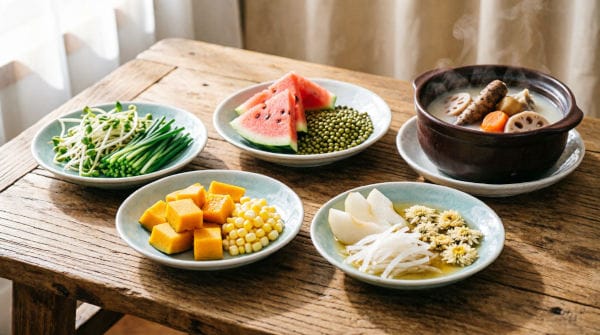
Applying the principles of Traditional Chinese Medicine to your daily meals means moving beyond generic diet trends and listening to what your specific body type truly needs. By matching the energetic properties of food to your unique constitution, you can gently correct imbalances and build a strong foundation of health.
Best Foods for Qi-Deficient and Yang-Deficient Types
If you tend to feel fatigued, catch colds easily, or constantly feel chilled, your body needs nourishment that builds energy and generates warmth. The goal is to support the Spleen and Stomach, which are responsible for extracting Qi from your meals.
Focus on warm, cooked, and easily digestible foods. Excellent choices include Chinese yam (Shan Yao), sweet potatoes, pumpkin, oats, and high-quality proteins like chicken, beef, and lamb. Incorporating warming spices and ingredients such as fresh ginger, scallions, walnuts, and sweet jujube dates can help ignite your digestive fire.
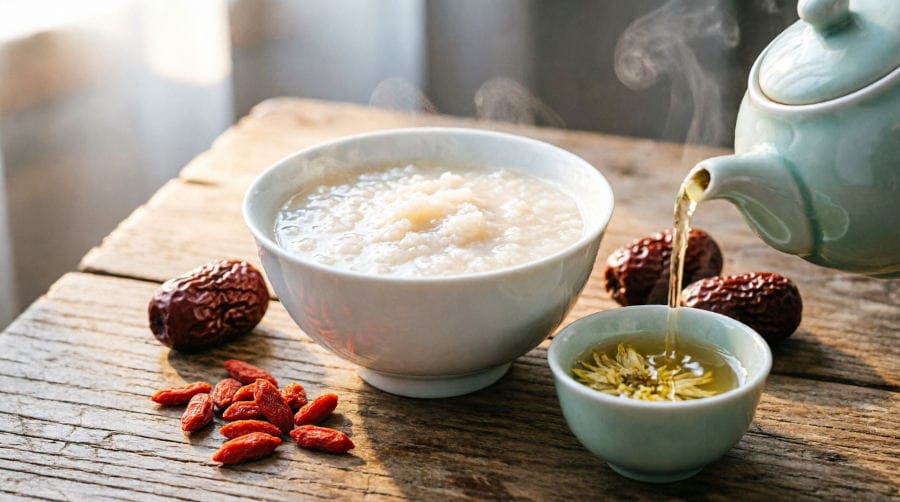
A simple, comforting bowl of ginger and jujube tea or a slow-cooked chicken and yam soup can work wonders for restoring vitality to these constitutions.
Best Foods for Yin-Deficient and Phlegm-Damp Types
These two constitutions have different needs, but both benefit from foods that restore internal equilibrium.
For the Yin-Deficient type, the priority is to cool and moisten the body. Think of foods that hydrate and nourish without adding heat. Pears, lily bulbs, silver ear fungus (tremella), tofu, duck, and goji berries are classic choices. A traditional dessert like pear and rock sugar soup is a perfect remedy for dry coughs or afternoon heat.
For the Phlegm-Damp type, the goal is to strengthen the Spleen and help the body drain excess moisture. Foods that are mildly diuretic and easy to digest are ideal. Coix seed (Job’s tears or Yi Yi Ren), winter melon, white radish, adzuki beans, and aged tangerine peel (Chenpi) are highly valued. Adding a slice of Chenpi to your rice or soups is a time-honored method for cutting through greasiness and promoting smooth digestion.
Curious to learn more about Traditional Chinese Medicine? 📚
Explore a selection of beginner-friendly and in-depth TCM books and start deepening your understanding today.(Aff.link)👉
Best Foods for Blood-Stasis, Qi-Stagnation, and Damp-Heat Types
These constitutions are characterized by things being “stuck” or “overheated” in the body, requiring foods that promote movement, clear blockages, and cool internal heat.
- Blood-Stasis: Focus on foods that invigorate circulation. Hawthorn berry (Shan Zha), black wood ear fungus, turmeric, rosebud tea, and a splash of black vinegar in your cooking can help gently move stagnant blood.
- Qi-Stagnation: Aromatic and slightly pungent foods help to unblock trapped energy. Citrus fruits (like kumquats or oranges), daikon radish, fresh mint, and chrysanthemum tea are excellent for relieving chest tightness and soothing a stressed mind.
- Damp-Heat: The strategy here is to clear heat and drain dampness simultaneously. Mung beans, bitter melon, celery, cucumber, and lotus root are cooling and cleansing. A light mung bean soup is a staple in Chinese households during humid summer days to prevent damp-heat from accumulating.
Foods to Avoid Based on Your Constitution
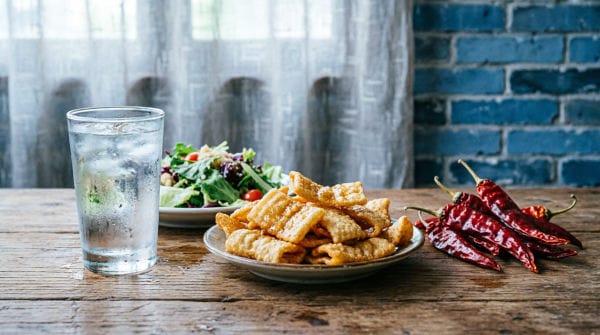
Knowing what to avoid is just as important as knowing what to eat. Consuming foods that clash with your constitution can quickly undo your progress.
- Qi and Yang-Deficient: Strictly limit raw, cold, and icy foods. Ice water, smoothies, excessive raw salads, and sashimi require too much digestive fire to process and will further weaken your Spleen Yang.
- Yin-Deficient: Avoid spicy, deep-fried, and heavily roasted foods. Chili peppers, excess alcohol, and barbecued meats act like a bellows on a fire, burning up your body’s precious, cooling fluids.
- Phlegm-Damp and Damp-Heat: Minimize greasy, overly sweet, and dairy-heavy foods. Refined sugars, fried snacks, and heavy cheeses are known in TCM to generate phlegm and trap dampness, making you feel sluggish and heavy.
Simple Daily Meal Guidelines for Balance
Regardless of your specific constitution, there are universal dietary habits in Chinese culture that protect the digestive system and promote long-term health.
- Eat Warm and Cooked: Make warm, freshly cooked meals the center of your diet. They are pre-digested by heat, making them infinitely easier for your Spleen and Stomach to process than cold or raw foods.
- Practice “Qi Fen Bao” (Eat Until 70% Full): Overeating burdens the digestive system and creates stagnation. Stopping when you feel comfortably satisfied, rather than completely full, preserves your digestive Qi.
- Chew Thoroughly: Digestion begins in the mouth. Chewing your food well reduces the workload on your stomach and allows you to absorb more nutrients.
- Maintain Regular Meal Times: The body’s internal clock thrives on rhythm. Eating your meals at consistent times each day helps regulate your digestive Qi and prevents energy crashes.
Constitution-Specific Food Guide
Knowing your constitution is only half the journey; applying that knowledge to your plate is where the healing happens. This table provides clear, actionable guidance on what to embrace, what to limit, and how to prepare your meals to best support your specific energetic needs.
| Constitution Type | Best Foods to Eat | Foods to Avoid | Recommended Cooking Methods |
| Balanced | A wide variety of whole grains, fresh vegetables, lean proteins, and seasonal fruits. | Extreme flavors (excessively spicy, sweet, or salty) and highly processed foods. | Balanced methods: light stir-frying, steaming, and boiling. |
| Qi-Deficient | Chinese yam, sweet potato, oats, chicken, beef, jujube dates, and shiitake mushrooms. | Raw, cold, or icy foods; excessive raw salads; greasy or hard-to-digest items. | Slow-cooking, making congee (rice porridge), and warm soups to pre-digest food. |
| Yang-Deficient | Lamb, chicken, ginger, cinnamon, walnuts, chives, and black pepper. | Cold drinks, raw foods, watermelon, cucumber, and other cooling/cold-nature foods. | Braising, roasting, and stewing. Always add warming spices like ginger or scallion. |
| Yin-Deficient | Pears, lily bulb, silver ear fungus, tofu, duck, goji berries, and honey. | Spicy peppers, deep-fried foods, barbecued meats, alcohol, and coffee. | Steaming, gentle boiling, and making moistening, hydrating soups or teas. |
| Phlegm-Damp | Coix seed (Job’s tears), winter melon, white radish, adzuki beans, and aged tangerine peel (Chenpi). | Dairy products, refined sugars, fried snacks, and heavy, greasy, or overly sweet foods. | Light boiling, steaming, and simmering. Avoid heavy oils and deep-frying. |
| Damp-Heat | Mung beans, bitter melon, celery, cucumber, lotus root, and leafy greens. | Alcohol, spicy foods, fried foods, and heavy, rich meats (like fatty pork or lamb). | Light steaming, quick boiling, or eating raw (if digestion allows) to preserve cooling properties. |
| Blood-Stasis | Hawthorn berry, black wood ear fungus, turmeric, rosebud tea, and a splash of black vinegar. | Highly processed foods, excessive cold foods, and astringent foods that restrict flow. | Warm soups and stews. Incorporate vinegar or mild, circulation-boosting spices. |
| Qi-Stagnation | Citrus fruits (kumquats, oranges), daikon radish, fresh mint, and chrysanthemum tea. | Heavy, sticky, or overly rich foods that cause bloating or weigh down the digestive system. | Light stir-frying and aromatic steaming to preserve the Qi-moving properties of the ingredients. |
| Special (Allergic) | Neutral, hypoallergenic whole foods like plain rice, gentle root vegetables, and mild broths. | Known personal allergens, shellfish, exotic fruits, and highly stimulating foods (spicy/alcohol). | Very gentle steaming or boiling to make foods as easy to digest and non-reactive as possible. |
Pro Tip: If you have a mixed constitution (for example, Qi-Deficient with some Dampness), prioritize strengthening the Spleen first. Warm, cooked, and easily digestible meals (like congee with Chinese yam and a slice of Chenpi) will gently build your energy while helping to resolve dampness.
Qigong: Cultivating Qi Through Movement
While dietary therapy provides the essential building blocks for health, movement is required to bring that energy to life. In Traditional Chinese Medicine, Qigong serves as the bridge between physical activity and internal healing, offering a gentle yet profoundly effective way to cultivate vitality.
What Is Qigong? Origins and Core Philosophy
The word Qigong (气功) is composed of two characters: Qi, meaning vital energy or life force, and Gong, meaning skill, work, or practice achieved through time and effort. Together, it translates to “the skill of cultivating vital energy.”
The origins of Qigong stretch back thousands of years in China, evolving from ancient shamanic dances, Daoist longevity practices, and Buddhist meditation techniques.
Early forms were known as Daoyin (guiding and pulling), which involved stretching the body and regulating the breath to prevent illness. Over centuries, these practices were refined and integrated into Traditional Chinese Medicine.
At its core, Qigong philosophy is rooted in the concept of Tian Ren He Yi (天人合一), or the harmony between humanity and nature. It operates on the belief that humans are microcosms of the universe.
By aligning our internal rhythms with the natural world through mindful movement, we can remove blockages, nourish our organs, and maintain a smooth, abundant flow of Qi.

How Qigong Differs from Ordinary Exercise
In modern fitness culture, exercise is often viewed through the lens of exertion: burning calories, building muscle mass, and pushing the body to its physical limits. While valuable, this approach is primarily external and can sometimes deplete the body’s energy reserves if not balanced with adequate rest.
Qigong takes a fundamentally different approach. It is often described as “moving meditation.” Instead of expending energy, the goal of Qigong is to conserve, accumulate, and circulate it. The movements are slow, deliberate, and fluid, designed to open the body’s meridian pathways without causing strain or stress to the joints and muscles.
Where ordinary exercise might leave you feeling physically exhausted, a proper Qigong session should leave you feeling deeply relaxed, mentally clear, and energetically replenished. It is not about how far you can stretch or how fast you can move, but rather about the quality of your internal awareness and the smoothness of your energy flow.
The Three Pillars of Qigong: Posture, Breath, and Intention
The effectiveness of Qigong relies on the harmonious integration of three essential elements, often referred to in Chinese as Tiao Shen (regulating the body), Tiao Xi (regulating the breath), and Tiao Xin (regulating the mind).
- Posture (Regulating the Body): Physical alignment is the foundation. The body must be relaxed yet structurally sound, often described by the term Song (relaxed alertness). The spine is kept straight but not rigid, the shoulders are dropped, and the joints are slightly bent. This optimal alignment removes physical tension, allowing the meridians to open and Qi to flow without obstruction.
- Breath (Regulating the Breath): Breath is the vehicle that moves Qi. Qigong utilizes deep, slow, and gentle abdominal breathing. By synchronizing the breath with physical movements—typically inhaling as the body opens or rises, and exhaling as it closes or sinks—practitioners create a rhythmic pump that massages the internal organs and draws fresh energy deep into the lower abdomen (the Dantian).
- Intention (Regulating the Mind): This is the most crucial and subtle pillar. In Qigong, there is a saying: “Where the Yi (intention or mind) goes, the Qi follows.” The practice requires a calm, focused awareness. You are not just moving your arms; you are actively visualizing and feeling the energy moving through your body. This mindful direction transforms simple physical stretching into a powerful internal healing practice.
When posture, breath, and intention work together seamlessly, Qigong becomes a profound tool for self-regulation, bridging the gap between physical movement and deep internal medicine.

Essential Qigong Practices for Everyday Health
While there are thousands of Qigong styles developed over millennia, a few foundational practices stand out for their accessibility, historical significance, and profound health benefits. You do not need to master complex forms to experience the rewards of Qigong; starting with these time-tested routines is enough to transform your daily well-being.
Ba Duan Jin (Eight Brocades) for Whole-Body Vitality
Ba Duan Jin, or the Eight Brocades, is arguably the most popular and widely practiced Qigong set in the world today, with roots tracing back to the Song Dynasty. As the name suggests, it consists of eight distinct, gentle movements that resemble the smooth, flowing motions of weaving silk.
Each movement is designed to stretch the body, regulate the breath, and stimulate specific meridian pathways. For example, the first movement, “Two Hands Hold up the Heavens,” gently stretches the torso and regulates the San Jiao (Triple Burner), which governs the body’s fluid metabolism and overall energy distribution.
Practicing Ba Duan Jin for just ten to fifteen minutes a day improves flexibility, relieves muscular tension, and creates a harmonious balance among the internal organs.
Wu Qin Xi (Five Animal Frolics) for Organ Health
Attributed to the legendary Eastern Han Dynasty physician Hua Tuo, Wu Qin Xi is a dynamic Qigong practice that mimics the movements, posture, and spirit of five animals: the Tiger, Deer, Bear, Monkey, and Bird (often depicted as a Crane).
Hua Tuo observed that animals maintain their health through natural, uninhibited movement, and he translated these observations into therapeutic exercises. In TCM theory, each animal corresponds to and nourishes specific internal systems.
The Tiger strengthens the liver and bones; the Deer benefits the kidneys and vitality; the Bear supports the spleen and stomach; the Monkey calms the heart and improves agility; and the Bird expands the lungs and enhances respiratory health. This practice is highly engaging, combining physical fluidity with playful, focused intention.
Zhan Zhuang (Standing Meditation) for Building Internal Qi
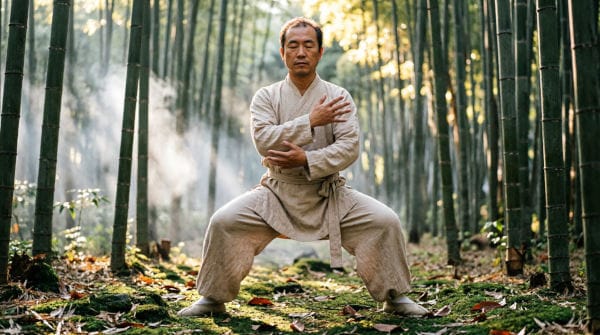
Zhan Zhuang, which translates to “Standing Like a Tree” or “Pole Standing,” is a foundational practice in both Qigong and internal martial arts. To an outside observer, it looks deceptively simple: the practitioner stands still, often with knees slightly bent and arms rounded as if hugging a large tree.
However, the internal work is profound. By holding a structurally aligned yet deeply relaxed posture, the body learns to release chronic muscular tension.
Without the distraction of physical movement, the mind settles, the breath deepens, and the energy is encouraged to sink down and accumulate in the lower Dantian (the energy center below the navel).
Regular practice of Zhan Zhuang builds remarkable leg strength, improves posture, and is considered one of the most efficient ways to cultivate and store internal Qi.
Simple Qigong Routines for Beginners
Starting a Qigong practice does not require hours of free time or prior athletic experience. The key to success is consistency and gentle intention, not perfection.
For beginners, a simple daily routine can be highly effective. Start by finding a quiet space and standing with your feet shoulder-width apart. Spend two minutes focusing on deep, slow abdominal breathing to center your mind. Next, perform the “Two Hands Hold up the Heavens” movement from Ba Duan Jin three to five times to awaken your energy. Finally, transition into a basic Zhan Zhuang “hugging the tree” posture for three to five minutes, allowing your body to relax and your breath to settle.
As you practice, listen to your body. If a movement feels strained, reduce the range of motion. The goal is always to cultivate a sense of ease, warmth, and flowing vitality. Over time, this short daily investment will yield noticeable improvements in your energy levels, digestion, and mental clarity.
Qigong Practices Comparison Guide
With countless Qigong styles available, knowing where to begin can feel overwhelming. This table breaks down the most foundational and widely practiced Qigong routines, helping you select the right practice based on your available time, experience level, and specific health goals.
| Practice Name | Primary Benefits | Best For These Constitutions | Time Required | Difficulty Level | Ideal Time to Practice |
| Ba Duan Jin (Eight Brocades) | Enhances whole-body vitality, improves flexibility, and regulates the San Jiao (Triple Burner) for balanced energy distribution. | All types, especially Qi-Deficient and Balanced constitutions seeking gentle, full-body maintenance. | 10–15 minutes | Beginner to Intermediate | Morning (to awaken the body) or midday (to relieve desk-work tension). |
| Wu Qin Xi (Five Animal Frolics) | Promotes organ health, increases joint mobility, and releases pent-up emotional tension through playful, dynamic movements. | Qi-Stagnation and Blood-Stasis types, or anyone needing to relieve stress and boost a sluggish mood. | 15–20 minutes | Intermediate (requires coordination and spatial awareness) | Morning or late afternoon when energy naturally dips and a mental reset is needed. |
| Zhan Zhuang (Standing Meditation) | Builds deep internal Qi, strengthens the legs and lower back, and profoundly calms the nervous system by grounding energy. | Qi-Deficient, Yang-Deficient, and Yin-Deficient types who need to build foundational energy and find stillness. | 5–20 minutes | Beginner (physically simple, but mentally requires focus and patience) | Morning (to build energy for the day) or evening (to wind down and store energy before sleep). |
| Liu Zi Jue (Six Healing Sounds) | Clears organ-specific heat, toxins, and stagnation through coordinated breathwork and gentle vocalizations. | Damp-Heat, Yin-Deficient, and Phlegm-Damp types looking to clear internal imbalances and cool the body. | 10 minutes | Beginner | Evening or during seasonal transitions to gently purge accumulated internal heat or dampness. |
Pro Tip: You do not need to master all of these at once. The most effective approach is to choose one practice that resonates with your current health goals and commit to it for 10 minutes a day for 30 days. Consistency in a simple practice will always yield better results than occasional, intense sessions.
Integrating Diet and Qigong into Modern Life
Bringing Traditional Chinese Medicine into a fast-paced, modern lifestyle does not require a complete overhaul of your daily schedule. The ancient Chinese concept of Yang Sheng (nourishing life) is fundamentally about making small, consistent choices that align with your body’s natural rhythms. By weaving dietary awareness and mindful movement into your existing routine, you can transform ordinary moments into powerful acts of self-care.
Creating a Daily TCM Wellness Routine
The most effective TCM routine is one you can actually maintain. Start by anchoring your day with a few simple, high-impact habits.
In the morning, begin with a glass of warm water to gently awaken your digestive system and flush out overnight stagnation. Follow this with five to ten minutes of light Qigong, such as the “Two Hands Hold up the Heavens” movement, to stretch the meridians and invite fresh Qi into your body.
During meals, practice mindful eating. Sit down, turn off screens, and chew your food thoroughly. Aim to stop eating when you are about 70 percent full, a practice known as Qi Fen Bao, which prevents overburdening your Spleen and Stomach.
In the evening, shift your focus from activity to restoration. Avoid heavy, greasy, or cold foods close to bedtime, as they require excessive digestive energy and can disrupt sleep. Instead, opt for a light, warm broth or a small handful of goji berries.
A brief, gentle Qigong routine or five minutes of standing meditation (Zhan Zhuang) before bed can help sink your energy downward, calming the mind and preparing the body for deep, restorative sleep.

Adjusting Diet and Practice Across the Seasons
Modern life often disconnects us from the natural world, with climate-controlled rooms and globally shipped produce available year-round. However, your body still responds to the changing seasons. Adjusting your habits accordingly is a cornerstone of preventative TCM.
- Spring: As nature awakens, focus on light, sprouting foods like bean sprouts and leafy greens to support the Liver. Pair this with expansive, stretching Qigong movements to encourage the smooth flow of Qi after the winter hibernation.
- Summer: The heat of summer can deplete your fluids and Qi. Incorporate cooling, hydrating foods like cucumber and mung beans. Keep your Qigong practice gentle and avoid excessive sweating, which can leak vital Yin and Qi from the body.
- Autumn: Dryness is the prevailing pathogen of autumn, affecting the Lungs. Eat moistening foods like pears, honey, and almonds. Focus your Qigong practice on deep, rhythmic breathing exercises to strengthen respiratory health and build a defensive shield against autumn chills.
- Winter: This is a season of storage and conservation. Nourish your Kidneys with warming, slow-cooked meals like bone broths, root vegetables, and black sesame. Your Qigong practice should turn inward; Zhan Zhuang (standing meditation) is particularly beneficial now, as it builds deep internal heat and stores energy for the year ahead.
Seasonal Eating and Qigong Practice Guide
In Traditional Chinese Medicine, humans are a microcosm of nature. Aligning your diet and movement with the changing seasons is one of the most effective ways to prevent illness and maintain vibrant health year-round. This table provides a clear, seasonal roadmap for your wellness routine.
| Season | Focus Organs & Element | Recommended Foods | Foods to Emphasize / Avoid | Best Qigong Practices | Key Health Focus |
| Spring (Wood) | Liver & Gallbladder | Fresh sprouts, leafy greens, chives, mild herbs. | Emphasize: Light, ascending foods. Avoid: Heavy, greasy, or overly sour foods that trap Qi. | Expansive, stretching movements (e.g., Ba Duan Jin “Two Hands Hold up the Heavens”). | Encourage the smooth, upward flow of Qi after winter; release stagnant energy. |
| Summer (Fire) | Heart & Small Intestine | Cucumber, watermelon, mung beans, tomatoes, mint. | Emphasize: Cooling, hydrating, and bitter foods. Avoid: Excessively spicy, fried, or heating foods. | Gentle, slow-paced routines. Avoid practices that cause heavy sweating. | Clear internal heat, nourish Yin fluids, and calm the spirit (Shen). |
| Late Summer (Earth) | Spleen & Stomach | Chinese yam, pumpkin, coix seed (Job’s tears), corn. | Emphasize: Warm, cooked, grounding foods. Avoid: Raw, cold, icy, or heavy dairy products. | Grounding, centering movements with a focus on the lower abdomen (Dantian). | Strengthen digestive fire and resolve environmental dampness. |
| Autumn (Metal) | Lungs & Large Intestine | Pears, honey, almonds, white radish, lily bulb. | Emphasize: Moistening, slightly pungent foods. Avoid: Excessively drying or highly spicy foods. | Deep, rhythmic breathing exercises and chest-opening stretches. | Moisten the respiratory system and build defensive Qi (Wei Qi) against chills. |
| Winter (Water) | Kidneys & Bladder | Bone broth, black sesame, walnuts, lamb, root vegetables. | Emphasize: Warming, slow-cooked, deeply nourishing foods. Avoid: Raw, cold, or energetically cooling foods. | Internal, stillness-based practices like Zhan Zhuang (Standing Meditation). | Conserve energy, warm the core, and store vital essence (Jing) for the year ahead. |
Pro Tip: Transitions between seasons are vulnerable times for the body. During the week before and after a seasonal shift, focus heavily on eating warm, cooked, and easily digestible meals to help your Spleen and Stomach adapt smoothly to the new environmental energy.
Common Mistakes to Avoid When Starting Out
Embarking on a TCM lifestyle journey is rewarding, but a few common pitfalls can slow your progress or cause frustration. Being aware of them will help you stay on track.
First, avoid treating Qigong like a high-intensity workout. The goal is not to exhaust yourself, burn calories, or push through pain. If you feel strained or out of breath, you are using too much force. Qigong should leave you feeling energized and relaxed, not depleted.
Second, do not ignore your body’s unique constitution. Just because a specific “superfood” or trendy diet works for someone else does not mean it is right for you. For example, drinking daily green smoothies might be celebrated in modern wellness circles, but for someone with a Yang-Deficient or Phlegm-Damp constitution, the cold, raw nature of the ingredients will severely weaken their digestive fire. Always tailor your choices to your own body’s signals.
Third, resist the urge to seek overnight results. The “Gong” in Qigong implies skill built through time and consistent effort. Similarly, dietary therapy works cumulatively. Eating one perfectly balanced meal will not cure a chronic issue, just as practicing Qigong once a month will not transform your health. Consistency, even in small doses, is the true secret to lasting vitality.

End Words
Embracing dietary therapy and Qigong is about returning to the ancient wisdom of Yang Sheng, or nourishing life. It is a gentle reminder that true health is not found in a single pill or a quick fix, but in the daily, mindful choices we make. By eating in harmony with your unique constitution and moving with intention to cultivate your Qi, you transform everyday habits into profound acts of self-care.
As you begin to weave these practices into your modern routine, remember to be patient and compassionate with yourself. The journey of Traditional Chinese Medicine is a lifelong path of observation, adjustment, and balance. Listen to your body, respect the changing seasons, and allow the natural rhythms of your life to guide you toward lasting vitality.
Disclaimer: The information provided in this article is for educational and cultural purposes only and is rooted in traditional philosophies. It is not intended to be a substitute for professional medical advice, diagnosis, or treatment. Always seek the advice of a qualified healthcare provider or a licensed TCM practitioner before making significant changes to your diet, exercise routine, or medical care, especially if you have pre-existing health conditions.
Traditional Chinese Medicine offers a rich, practical approach to understanding your body and supporting your well-being in everyday life.
Scientific References & Further Reading
| Topic Area | Study / Article Title | Key Scientific Finding | Source / Journal | Link |
| Qigong (Ba Duan Jin) & Metabolic Health | Baduanjin Exercise for Type 2 Diabetes Mellitus: A Systematic Review and Meta-Analysis | Regular practice significantly reduces fasting blood sugar, BMI, and HbA1c levels, while also alleviating symptoms of depression and improving overall quality of life. | NIH / PubMed Central (2017) | Read Study |
| TCM Nine Body Constitutions | A Study of Traditional Chinese Medicine Body Constitution and Chronic Diseases | Validates the nine-body constitution framework, demonstrating strong epidemiological correlations between specific types (e.g., Phlegm-Damp) and metabolic syndrome or cardiovascular risks. | NIH / PubMed Central (2017) | Read Study |
| Thermal Nature of Foods | The Characterization of Traditional Chinese Medicine Natures: Warm and Cold Properties | Modern pharmacology confirms that “warm” foods promote cellular metabolism and thermogenesis, while “cold” foods exhibit measurable antipyretic (heat-clearing) and antioxidant effects. | NIH / PubMed Central (2023) | Read Study |
| Seasonal Eating & Circadian Rhythms | The Influence of Seasonal Variations on the Human Gut Microbiome | Human gut microbiota composition and metabolic function naturally shift with the seasons, scientifically supporting the TCM practice of adjusting diet to align with environmental changes for optimal immunity. | NIH / PubMed Central (2025) | Read Study |
Stay in Touch
 Join our newsletter by using the forms on this website or click here!
- Follow us on Google News
- Follow us on Facebook