
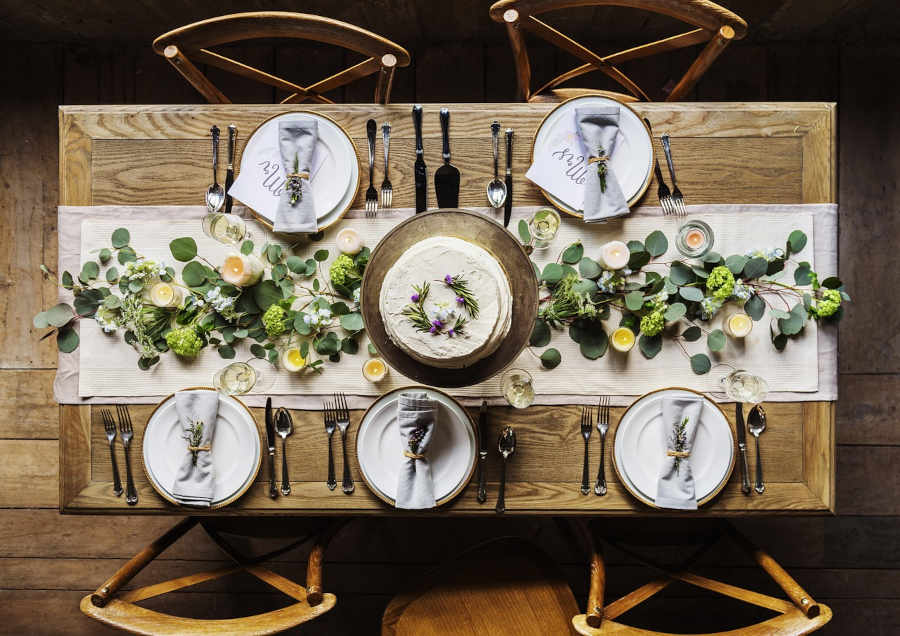
Your dining table is more than a piece of furniture—it’s the energetic heart of your home. In feng shui, this space symbolizes how you receive nourishment, connect with loved ones, and share abundance. Every meal, conversation, and moment of gratitude here contributes to the flow of Qi—the life force that sustains harmony and prosperity. When the dining area feels balanced and inviting, it naturally draws people in and encourages joyful, mindful eating.
A well-placed and well-loved dining table acts like a magnet for good fortune. It gathers family and friends, inviting both emotional and material abundance. When the table is frequently used, it signals an active, connected household where energy circulates freely. In feng shui, this movement of Qi mirrors the flow of wealth and opportunity in your life. A quiet, empty, or cluttered table, by contrast, can represent stagnation—so regular meals and shared laughter are part of the cure.
The kitchen is where nourishment begins; the dining table is where it’s received and shared. Think of the kitchen as the “source” of energy and the dining area as the “distribution point.” Feng shui reminds us that eating together completes the cycle of nourishment, grounding us in gratitude. Keeping the dining table distinct from kitchen chaos—whether through lighting, layout, or ritual—helps preserve calm, receptive energy that allows everyone to feel truly fed.
Every dining space sits within the home’s Bagua map—the feng shui energy grid that links different areas of life. A dining area in the wealth or family zone, for example, amplifies prosperity and connection when properly balanced. The five elements—wood, fire, earth, metal, and water—also play a role. A wooden table promotes growth and stability, while warm lighting (fire element) encourages conversation. The flow around the table should feel open yet cozy; Qi should move gently, not rush past or feel blocked. The goal is ease—both in movement and in mood.
Energy speaks through how a space feels. If your dining room is rarely used, cluttered, or too dim, it may be signaling imbalance. A constant sense of rush, awkward seating, or lingering tension during meals can also hint that Qi isn’t flowing smoothly. Notice whether chairs are pushed aside, if the table collects unopened mail, or if no one naturally wants to linger. These small clues often point to energy that needs refreshing or redirecting.
Before adjusting anything physical, pause to set your intention. What do you want your dining area to nurture—family harmony, abundance, deeper connection, or mindful eating? In feng shui, intention shapes the flow of Qi as much as furniture does. Write it down or simply hold it in your thoughts while clearing and arranging the space. When your actions align with purpose, every meal becomes a quiet ritual of gratitude and prosperity.
Core Principles to Guide Every Choice
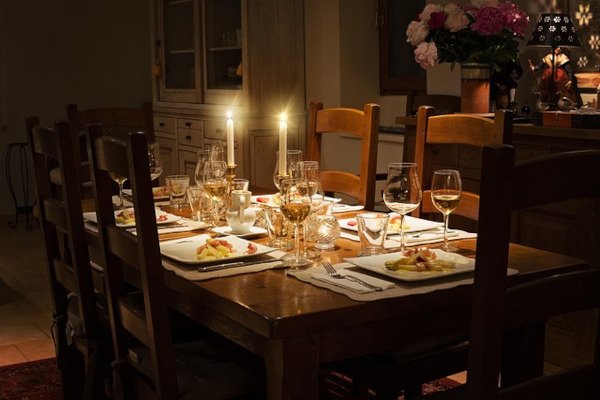
Feng shui for the dining table begins with a few guiding principles that shape how the space feels and functions. Every decision—from the layout to the lighting—should support ease, warmth, and balance. When the energy flows smoothly and the environment feels both grounded and lively, people naturally relax, connect, and enjoy their meals.
Qi, or life force, moves best through open pathways. Keep enough room for chairs to slide out comfortably and for guests to move without obstruction. Avoid pushing the table against walls or surrounding it with heavy furniture, which can cause stagnant energy. A clear, open area around the table allows Qi to circulate gently, creating a sense of calm and vitality.
Harmony also depends on yin and yang—the complementary energies of rest and activity. A dining space that feels too still may discourage use, while one that’s overly bright or noisy can feel unsettling. Balance both by blending cozy textures and warm tones (yin) with lively conversation and gentle light (yang). Together, they create a mood that feels both peaceful and joyful.
The five elements—wood, fire, earth, metal, and water—each contribute something unique. Wood adds vitality and growth, fire brings warmth and enthusiasm, earth gives stability, metal adds clarity, and water supports emotional flow. You don’t need all five in obvious ways; even subtle touches like a wooden bowl, a candle flame, a ceramic plate, a silver utensil, or a glass vase can bring the elements into harmony.
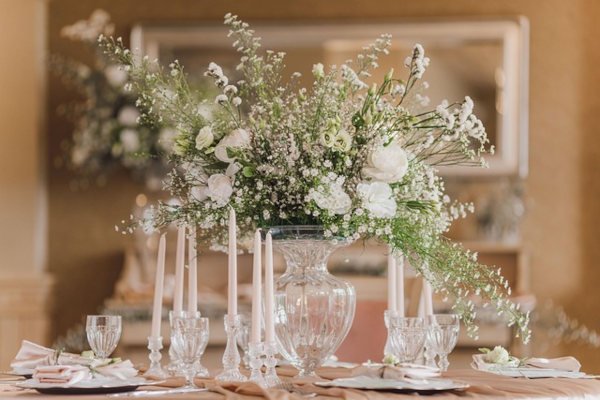
Positioning also matters. In feng shui, the command position allows diners to see the room’s entrance without sitting directly in line with it. This arrangement fosters comfort and ease, helping everyone feel secure and engaged. If possible, avoid seating that faces a wall or has a door directly behind it; a solid backdrop offers support while an open view invites connection.
Finally, the dining area’s placement within your home relates to the Bagua—the feng shui map linking physical spaces to life aspects such as wealth, family, and health. If your dining table lies in the wealth area, keep it bright and welcoming to attract abundance. When it falls in the family zone, use symbols of togetherness such as plants, shared photos, or heirloom dishware. Understanding the Bagua simply helps align your dining energy with the life qualities you wish to strengthen.
| Element | Color/Material | Placement/Use | Feng Shui Benefit |
| Wood | Green, live plants, wooden table | Center or corners | Growth, health, vitality |
| Fire | Red, orange, candlelight | Centerpiece or lighting | Appetite stimulation, joy |
| Earth | Tan, clay, stoneware | Sideboard, dishware | Stability, nourishment |
| Metal | White, gold, silver, metal chairs | Accents, table legs | Clarity, focus, abundance |
| Water | Blue, reflective surfaces, small fountain | Near dining area | Calm, emotional balance |
Choosing the Dining Table: Shape, Material, and Edge
The dining table is the centerpiece of your dining area’s energy field. Its shape, material, and design quietly influence how people interact, how Qi moves, and how comfortable meals feel. Choosing the right table isn’t just a style decision—it’s an energetic one that sets the tone for connection and abundance.
Round tables are classic feng shui favorites. Their continuous curve encourages equality, open conversation, and smooth Qi flow. No one sits at a “head,” so everyone feels included. Oval tables share the same friendly energy but with a bit more flexibility for longer rooms. Rectangular tables, by contrast, bring a sense of order and direction. They’re excellent for families who thrive on structure or for spaces that need grounding energy. Square tables create balance and stability but work best in smaller dining rooms to prevent static Qi.
Materials also tell an energetic story. Wood is the most auspicious, symbolizing growth, vitality, and nourishment—perfect for any dining space. Glass tables add lightness and transparency, though they can feel fragile if not balanced with soft textures or warm colors. Stone, like marble or granite, conveys strength and permanence, ideal for households seeking security. Metal tables bring crispness and focus but may need warming touches like fabric runners or cushioned chairs to stay inviting.
Edges and corners play a subtle but important role in feng shui. Sharp edges can create what’s known as “poison arrows”—harsh lines that direct fast-moving energy toward those seated. If your table has pointed corners, soften them with rounded placemats, a tablecloth, or even gentle lighting. Round or oval edges naturally encourage smoother, friendlier Qi.
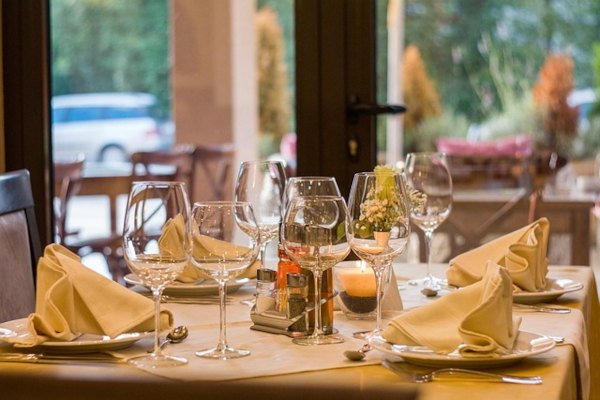
The table’s base affects both appearance and energy flow. Pedestal bases allow chairs to move freely and keep the energy circulating, making them excellent for conversation and flexibility. Four-leg tables provide steady, balanced support—perfect for families who value consistency and grounded meals. Whatever the style, ensure the legs don’t crowd diners or create discomfort beneath the surface.
If your home welcomes different numbers of guests, consider an extendable or drop-leaf design. These adaptable tables symbolize flexibility and generosity—two qualities that invite abundance. Keeping the table in proportion to the room ensures harmony; too large and the Qi feels heavy, too small and it can’t anchor the space. The goal is a table that feels ready for company but never overwhelming.
| Shape | Feng Shui Energy | Best For | Notes |
| Round | Unity, smooth Qi flow | Small families, conversation | Soft edges encourage connection |
| Oval | Ease, flexibility | Gatherings | Combines flow of round with extra seating |
| Rectangular | Structure, formality | Large rooms | Works well with straight pathways; mind “poison arrows” at corners |
| Square | Grounding, stability | Balanced, intimate meals | Pair with softer décor to prevent heaviness |
Ideal Placement: The Commanding, Calm Spot
Finding the right spot for your dining table is about creating a sense of comfort, command, and calm. Placement shapes how Qi moves through the space—and how everyone feels when they sit down to share a meal. The goal is a balanced position that supports connection, nourishment, and peace.
Whenever possible, position the table so diners can see the main door but aren’t directly in line with it. This is called the command position, a key feng shui concept for feeling secure and present. When you can see who enters without facing the door head-on, your body naturally relaxes, allowing for more open conversation and mindful eating. If the layout forces you to sit in line with the doorway, place a small divider, sideboard, or tall plant to gently redirect the flow of Qi.
The table should also feel centered within the room, with space to move freely around it. Adequate breathing room on all sides keeps energy circulating and prevents the feeling of being boxed in. A table jammed against a wall or squeezed into a corner can make gatherings feel cramped and hurried, while a centered setup encourages balance and harmony.
Overhead elements deserve special attention. Avoid sitting directly beneath exposed beams, ceiling fans, or heavy chandeliers, as they can symbolically press down on the table’s energy, creating discomfort or tension. If you can’t move them, soften the effect with upward lighting, fabric canopies, or crystals to disperse stagnant Qi. The goal is to keep the space above the table open, calm, and uplifting.
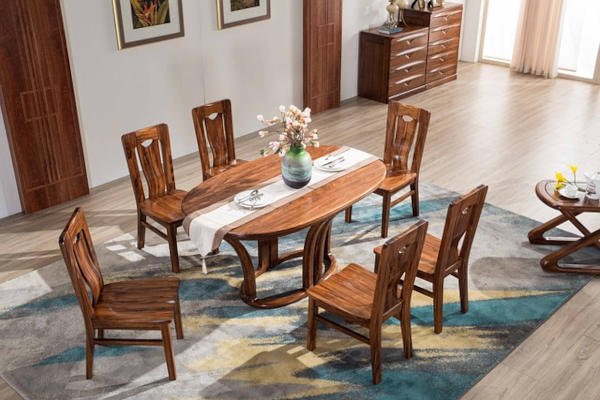
When choosing the best area of the home for dining, consider proximity to both the kitchen and living spaces. A dining room near the kitchen allows easy food flow but should be far enough from intense heat, clutter, and cooking noise to preserve tranquility. Ideally, it sits between the kitchen (source of nourishment) and the living area (zone of connection), symbolizing the bridge between sustenance and sharing.
Harmony between the kitchen and dining area is essential. Keep clear boundaries—both physical and energetic—so that the table remains a place of enjoyment, not stress. If the two spaces are open to each other, use lighting, rugs, or subtle changes in color to define the dining zone. This separation ensures that the energy of nourishment doesn’t spill into chaos but settles into a warm, centered calm that welcomes everyone home.
Related reading: Chinese Dining Etiquette and Table Manners – Opens in new tab
Seating Strategy: Chairs, Counts, and Where Everyone Sits
Seating is where the social and energetic dynamics of your dining area truly come to life. In feng shui, the way people sit and relate to each other at the table influences harmony, communication, and even appetite. The goal is to create a balanced arrangement where everyone feels comfortable, supported, and included.
An auspicious seat count promotes both practicality and energetic flow. Even numbers, such as four, six, or eight, tend to encourage balance and partnership. Round or oval tables naturally support this by removing hierarchy and fostering open conversation. Odd numbers, while less traditional, can still work if the arrangement feels visually and energetically balanced—what matters most is that every seat feels equally valued. Avoid squeezing in too many chairs, which can restrict movement and create tension.
Supportive seating helps each person feel grounded and relaxed. Ideally, the main seats should have a solid wall behind them, providing a sense of stability and security. Sitting with one’s back to a window or an open space can feel unsettling because the Qi behind the body is unanchored. If that can’t be changed, use curtains, plants, or a high-backed chair to symbolically create support.
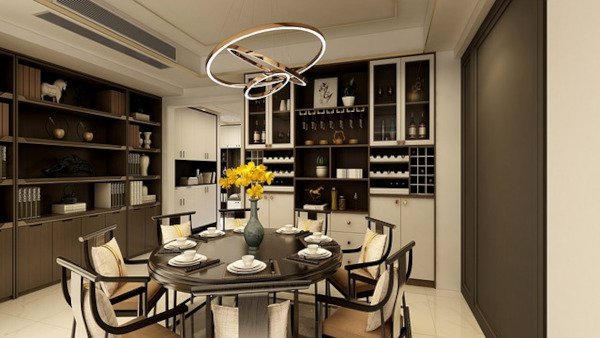
When it comes to head-of-table etiquette, feng shui suggests honoring the natural flow of leadership without creating power struggles. In rectangular or square setups, one end often feels naturally prominent. Let the person who most often serves or hosts take that seat—it symbolizes care and responsibility rather than authority. In families, rotating the “head” seat occasionally can also balance the household’s energy and keep dynamics harmonious.
Benches and banquettes can be both a blessing and a challenge. They save space and invite closeness, which works beautifully for casual meals and small rooms. However, they can limit individual freedom if the seating feels tight or hard to exit. Balance their communal feel with lighter chairs on the opposite side to maintain openness and movement. Comfort is key; no one should feel trapped or overlooked.
For kids’ seating and high chairs, aim for inclusion rather than isolation. Place children within the main circle of energy instead of off to the side. Their seats should blend naturally with the overall design, keeping visual harmony in the space. Choose rounded edges and stable bases for safety, but also consider scale—when chairs feel proportionate, the room’s Qi stays balanced and welcoming for all ages.
On-Table Styling: Centerpieces, Linens, and Tableware
The dining table’s surface is where energy gathers and expresses itself. How you dress it—what stays, what’s cleared, and what you highlight—directly shapes the mood of every meal. In feng shui, the table’s top acts as a mirror for your home’s abundance and readiness to receive.
A clear surface policy keeps that energy open. When the table is clean and clutter-free, it signals that you’re ready to welcome nourishment, guests, and good fortune. Avoid letting it become a landing pad for mail, keys, or paperwork—those items introduce scattered energy and block the flow of prosperity. After meals, wipe the surface and return it to readiness; this small act keeps the Qi fresh and inviting.
Centerpieces with life are powerful energy anchors. A bowl of fresh fruit, a vase of seasonal flowers, or a living plant all symbolize vitality and renewal. Choose rounded shapes and healthy, vibrant colors to represent abundance and harmony. You can also use symbolic objects—a carved wooden bowl for grounding, or a crystal cluster for clarity—but avoid anything artificial or lifeless. Rotate centerpieces weekly to keep the energy active and reflective of the current season.
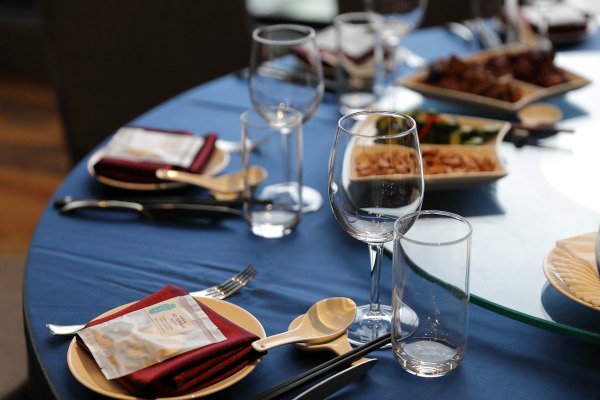
Use candlelight with care to invite warmth and intimacy. Soft, flickering light adds the fire element, enhancing joy and appetite. However, harsh or glaring flames can be overstimulating. Opt for gentle, natural tones—amber or cream rather than stark white—and ensure candles sit securely at or below eye level. Their light should glow, not dominate.
Linens play a subtle but important role as softeners. Fabric runners, placemats, and napkins introduce texture, color, and warmth, helping to balance the table’s hard surfaces. Natural materials like cotton, linen, or bamboo add grounding earth energy. Even a simple cloth can shift the tone from functional to nurturing. Choose hues that harmonize with the room’s overall palette—warm neutrals for calm, deeper tones for richness, or gentle pastels for openness.
Keeping tools tidy sustains good feng shui after the meal ends. Knives, serving utensils, and gadgets should be cleaned and stored away promptly. Visible blades represent cutting energy, which can disrupt harmony if left on display. The dining table’s purpose is connection, not work or preparation—so returning tools to their places helps reset the room’s calm, receptive atmosphere.
Finally, consider sharing aids like a Lazy Susan when they enhance harmony. These turntables make it easy for everyone to reach food without stretching or interrupting flow, symbolizing generosity and inclusiveness. Just ensure it’s well-proportioned to the table and not overcrowded; the goal is effortless sharing, not clutter. When thoughtfully styled, your dining table becomes a living altar to nourishment, gratitude, and togetherness.
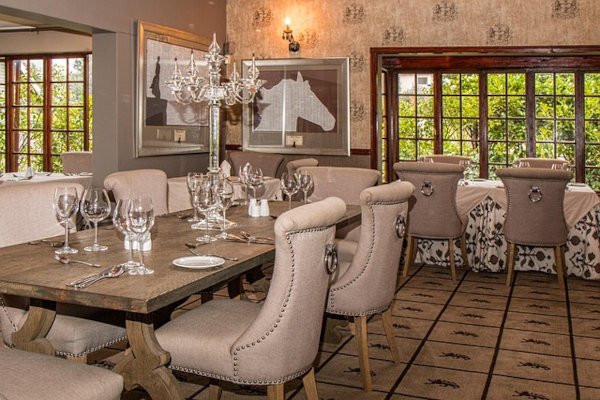
Lighting for Warmth, Appetite, and Connection
Lighting is one of the most powerful feng shui tools for shaping the mood of your dining space. It influences how food looks, how people feel, and how energy circulates. The right lighting brings warmth, clarity, and connection—creating an atmosphere where everyone naturally relaxes and enjoys being together.
A centered chandelier serves as the heart light of the dining area. Positioned directly above the table, it anchors the energy and symbolizes unity among those gathered below. This central illumination acts as both a visual and energetic focus, encouraging conversation and harmony. If your chandelier or pendant isn’t perfectly centered, balance the visual weight with a mirror, sideboard lamp, or a second light source to re-center the Qi.
Scale and height make a difference in comfort. The fixture should feel proportionate to the table—neither overwhelming nor undersized. A good rule is to choose a light about one-third the width of the table and hang it roughly 30 to 36 inches above the tabletop. Too high, and the connection feels distant; too low, and it may feel oppressive. The goal is an intimate, cozy glow that defines the dining zone without intruding.
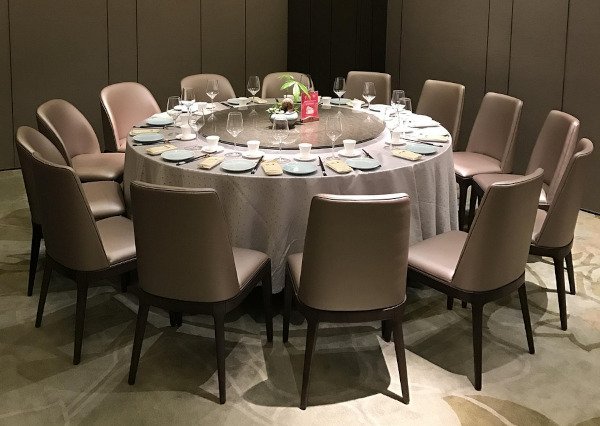
Choose warm bulbs and dimmers to create flexibility and mood. Soft, golden tones mimic candlelight and enhance the fire element—stimulating appetite and warmth. Dimmers allow you to shift from bright, cheerful brunches to gentle evening meals with ease. Avoid harsh white or bluish lights, which can feel sterile and suppress the room’s natural comfort.
Layered lighting adds depth and harmony. Pair the main overhead fixture with wall sconces, nearby floor lamps, or subtle under-shelf lights to prevent stark shadows. Balanced light across the room ensures that Qi moves smoothly, while softer side lighting flatters faces and keeps everyone looking relaxed. In open-plan spaces, this layering also helps define the dining area as its own inviting zone.
When dealing with off-center junction boxes or low ceilings, feng shui favors creative balance over perfection. Use a canopy hook and chain to visually center a pendant or chandelier over the table, or install multiple smaller lights instead of one large fixture. For lower ceilings, opt for semi-flush mounts or slim-profile pendants that spread light evenly without feeling heavy overhead.
Lastly, be mindful of glare on glass or glossy finishes. Excess reflection can scatter Qi and strain the eyes, making meals feel less peaceful. Diffused shades, fabric coverings, or frosted bulbs soften the light and prevent glare. Think of dining light as a gentle embrace—it should warm the room, not dazzle it. When illumination feels natural and welcoming, the whole space glows with comfort, joy, and abundance.
| Type | Placement | Feng Shui Benefit | Tips |
| Centered chandelier | Above table | Heart of the space, unifying energy | Adjust height for sightlines |
| Layered pendants / sconces | Surrounding table | Balanced Qi, flattering light | Combine with dimmers |
| Candles | Tabletop or sideboard | Fire energy, warmth | Keep minimal and mindful |
| Task lights | Sideboard / buffet | Clear visibility, functional energy | Avoid glare on glossy surfaces |
Color and Material Harmony Around the Table
Color and material choices in the dining area do more than please the eye—they shape the emotional tone of every meal. In feng shui, color represents energy, and texture influences how that energy feels. When the hues and materials around your table are thoughtfully chosen, they invite warmth, conversation, and balance.
Appetite-friendly colors are those that feel both comforting and lively. Soft earth tones—like beige, warm taupe, and muted terracotta—encourage relaxation and mindful eating. Gentle greens promote vitality and connection to nature, while warm yellows stimulate appetite and optimism. Avoid overly harsh or cold tones such as pure white or sharp gray for large surfaces; they can make the space feel sterile or uninviting. For vibrancy, bring in richer shades through linens, art, or accent walls rather than dominant color schemes.
You can also bring in the five elements through color and texture to balance the room’s Qi. Wood energy appears in greens and natural grain finishes, symbolizing growth. Fire shows up in red, orange, and warm light, enhancing joy and passion. Earth comes through in clay, tan, and textured fabrics that provide stability. Metal appears in white, gold, or silver accents that clarify and focus energy. Water, represented by deep blues or reflective surfaces, adds calm and emotional depth. Combining these elements in moderation keeps the dining space alive yet grounded.
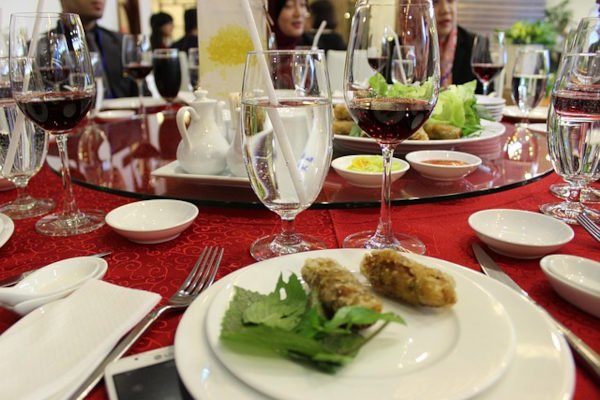
When mixing metals and woods, aim for visual harmony rather than uniformity. Contrast can be beautiful if handled gently—for example, a wooden table paired with brushed brass lighting or chairs with metal legs. Keep the palette limited to two or three finishes to avoid cluttered energy. Too many competing textures or tones can confuse the eye and scatter Qi. If in doubt, let one material—often wood—act as the dominant anchor while others play supporting roles.
Paint sheens and finishes also influence the room’s calmness. Matte or eggshell finishes diffuse light softly, helping the space feel cozy and natural. High-gloss paint reflects too much light, potentially agitating the energy. In smaller dining areas, a satin finish offers subtle brightness without glare. Choose surfaces that feel easy on the eyes and pleasant to touch; comfort in texture is as vital as balance in color.
Finally, focus on coordination between chairs, table, and nearby cabinetry. They don’t need to match perfectly, but they should feel related in tone and style. If your table is dark wood, balance it with lighter upholstery or walls to prevent heaviness. For modern metal or glass tables, add warmth with woven seats, rugs, or wooden storage pieces. The goal is a unified rhythm of color and texture that allows Qi to flow naturally, creating an atmosphere of ease, abundance, and togetherness.
Related reading: How to Use Feng Shui Principles to Make a Stress-free Home–Opens in new tab
Mirrors, Art, and Wall Features Near the Dining Zone
Mirrors, art, and wall features play a quiet yet powerful role in shaping your dining area’s atmosphere. In feng shui, walls don’t just frame a room—they help circulate energy, reflect abundance, and tell the story of your home’s values. The right visuals around the dining table can elevate every meal into a moment of beauty and connection.
A mirror reflecting the dining table is one of the most traditional feng shui cures for prosperity. By visually doubling the table and its contents, it symbolically “multiplies” abundance and invites wealth into the household. The key is placement: the mirror should clearly reflect the food or the gathering itself, not cut off the top of people’s heads or reflect empty space. This reinforces the energy of fullness and shared joy rather than lack.
When choosing a mirror’s height and shape, think about flow and comfort. Hang it so that it reflects diners naturally while they’re seated, not distorted or fragmented. Rounded or oval mirrors are ideal because they promote soft, harmonious energy. Avoid mirrors with sharp edges or overly complex frames that can feel visually heavy or send erratic Qi into the space. If a rectangular mirror fits better with your decor, balance it with soft lighting or curved furniture to maintain gentleness.
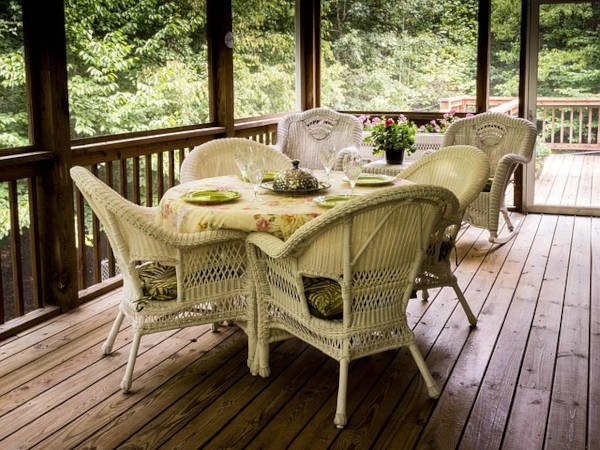
Art selection for the dining area should celebrate nourishment, connection, and life itself. Images of nature, fruits, flowers, or peaceful landscapes promote appetite and harmony. Artwork featuring family gatherings, harvest scenes, or symbolic foods (like pomegranates, peaches, or grains) reinforces themes of abundance and unity. Choose pieces that make you feel joyful and at ease—avoid depictions of conflict, loneliness, or overly abstract works that stir tension.
Shelves and storage on nearby walls should feel balanced, not overloaded. Open shelves can display cherished dishes, plants, or decor, but keep them tidy and symmetrical. Too many small objects create visual clutter and restless energy. Closed cabinets or sideboards help ground the space, especially when positioned opposite a window or open area. The goal is to balance visual weight so the room feels centered and supportive, not top-heavy or chaotic.
Be thoughtful about clocks, TVs, and screens in or near the dining zone. Clocks can subtly introduce pressure or time awareness—fine for pacing, but not ideal for long, relaxed meals. If you keep one, choose a quiet, elegant design that blends into the background. Televisions and digital screens tend to pull attention away from presence and connection; if they must be nearby, turn them off during meals or use a cabinet or sliding panel to conceal them. The dining space thrives on calm, heartfelt interaction—keeping distractions minimal preserves its sacred, nourishing energy.
Floors, Rugs, and Under-Table Comfort
The floor beneath your dining table anchors the entire space—both visually and energetically. In feng shui, what’s underfoot represents stability and support, so thoughtful choices here help the room feel grounded and harmonious. The goal is to balance comfort, practicality, and energy flow while ensuring that every movement around the table feels easy and natural.
Rug shapes that echo the table shape create instant harmony. A round rug beneath a round or oval table reinforces unity and smooth conversation, while a rectangular rug grounds a long table and mirrors its structure. This visual alignment strengthens the table’s energetic presence and helps Qi circulate evenly. Avoid mismatched shapes, which can subtly disrupt flow and make the space feel off-balance.
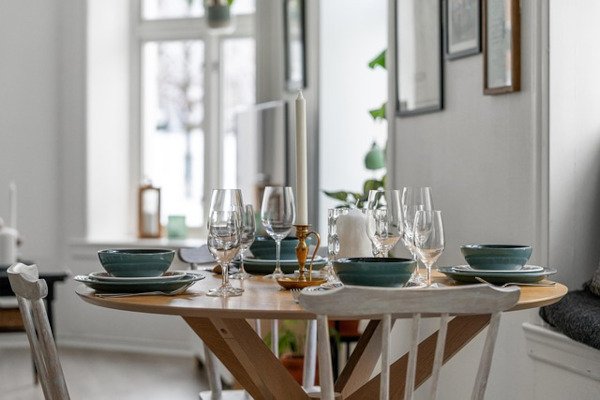
Size matters when it comes to comfort and function. The rug should extend at least 24 to 30 inches beyond the table’s edge on all sides so chairs can slide out smoothly without catching. A rug that’s too small can feel constricting and cause frustration during movement—both of which disturb the peaceful energy of dining. The aim is a sense of ease, where every gesture feels supported rather than restricted.
Choose easy-care materials suited to real-life dining. Natural fibers like wool, cotton, or jute bring grounding earth energy and texture but should be dense enough to handle spills and frequent cleaning. Synthetic blends or flatweaves can also work well if they’re durable and low-static. What matters most is that the rug feels soft underfoot, lies flat, and contributes to an inviting, lived-in atmosphere.
Beyond comfort, rugs help cushion sound and protect floors. Soft surfaces absorb excess noise, making conversations more pleasant and relaxed. In feng shui, this acoustic balance supports calm Qi—no harsh echoes, no heavy silence. If you prefer bare floors, introduce sound-dampening through curtains, upholstered seating, or wall hangings to achieve the same effect.
For homes with heated floors or other special features, consider balance and comfort. Warm floors are wonderful for grounding energy and supporting circulation, but avoid overheating the dining zone—it can make meals feel rushed or overstimulating. If radiant heat is strong, opt for thinner rugs or natural materials that breathe easily. The idea is to maintain steady, comforting warmth without overwhelming the calm rhythm of shared dining.
Sideboards, Storage, and Clutter-Free Flow
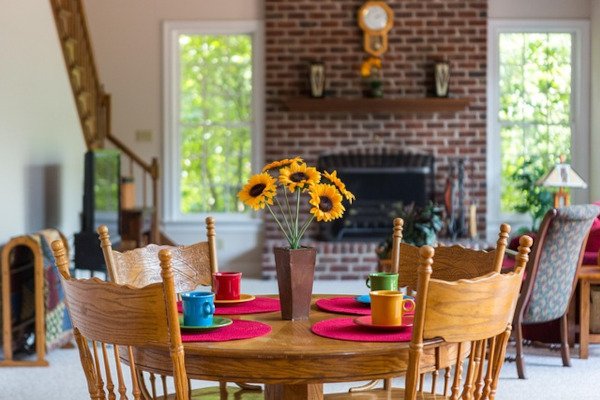
Sideboards and storage pieces do more than hold your dining essentials—they shape how energy moves through the room. In feng shui, these supportive furnishings act as anchors, providing both function and emotional steadiness. When storage is well placed and clutter-free, the dining area feels calm, capable, and open to abundance.
Sideboard placement should feel supportive rather than dominant. Ideally, position it along a solid wall behind or beside the dining table. This creates a sense of backing and security, symbolizing that the household is well supported. The top surface can hold soft lighting, a plant, or a few beautiful serving pieces, but avoid overcrowding it. If the sideboard sits opposite a door or window, balance the view with artwork or a mirror to help stabilize Qi.
Decide what to store thoughtfully. Keep only items related to dining—dishes, glassware, table linens, candles, and serving pieces belong here. When everything has a clear home, meal prep and hosting flow effortlessly. Avoid mixing in unrelated items like paperwork or pantry overflow, which scatter focus. This area should embody readiness, not storage overflow.
A golden rule of dining feng shui: keep mail and devices away from the table. Bills, phones, and laptops carry work or stress energy that disrupts the peaceful atmosphere of nourishment. Create a designated drop zone elsewhere for everyday clutter so the dining surface remains sacred for food and connection. Even a small tray or drawer near the entry can act as an energetic boundary between “doing” and “being.”
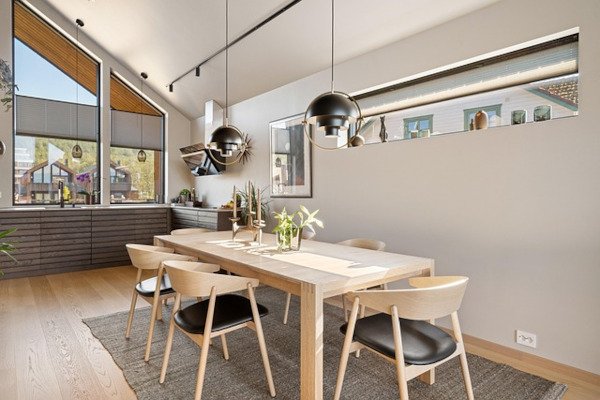
Bar carts and drink zones can enhance hospitality when used with intention. Place them slightly off to the side of the main dining zone so they serve the gathering without stealing focus. A small plant, bowl of citrus, or art print above the cart helps integrate it harmoniously into the room. Keep bottles and glassware neatly arranged, and avoid overstocking—it’s about quality and flow, not excess.
End each day with a five-minute reset ritual to refresh the space. Clear the table, wipe surfaces, push in chairs, and return items to their proper places. Replace wilted flowers or empty fruit bowls with something fresh. This simple habit keeps Qi circulating freely, prevents buildup of stagnant energy, and signals gratitude for the nourishment the space provides. A clear, cared-for dining area continually invites connection, prosperity, and peace into your home.
Plants and Natural Elements That Nourish
Plants are one of the simplest and most powerful ways to bring life energy into your dining area. In feng shui, they symbolize growth, health, and renewal—the very qualities that align perfectly with shared meals and nourishment. When chosen and placed thoughtfully, greenery can lift the room’s Qi, soften sharp edges, and infuse your dining experience with a sense of natural harmony.
The best plant types for dining areas are those with round leaves, soft forms, and signs of healthy, upward growth. Jade plants, pothos, peace lilies, and rubber plants are all excellent choices. Their gentle shapes promote ease and friendliness, while their vibrant color reflects vitality. Avoid spiky or thorny plants, such as cacti, which introduce sharp energy that can feel unsettling in a space meant for comfort and conversation.
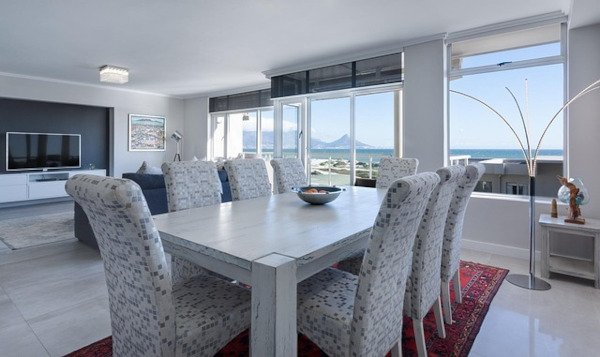
Placement is key to how plants affect energy flow. Use them to balance corners, soften architectural lines, or anchor empty spots that feel lifeless. A medium-sized plant in a corner can stabilize Qi, while smaller ones on a sideboard or windowsill bring freshness without clutter. Just keep pathways around the table open—plants should enhance movement, not obstruct it. If your dining space opens into another room, a leafy plant between zones helps define the boundary and create a gentle energetic transition.
When it comes to fresh vs. dried flowers, freshness always wins. Living flowers and greenery carry active, vibrant Qi that renews the space. Dried flowers, while decorative, represent stagnant or “past” energy and can subtly drain vitality over time. If you love the look of dried arrangements, refresh or replace them regularly, or mix them with living plants to maintain a sense of movement and life.
Water features near the dining area should be approached with care. While water represents wealth and emotional flow, its energy can feel too active for a space focused on grounding and nourishment. Small tabletop fountains can work if they are gentle and well-maintained, but avoid large or noisy water elements that may disrupt calm energy. A simpler alternative is to include the water element symbolically—perhaps through blue tones, glass decor, or a reflective surface like a mirror or vase.
Edible herbs and greens make perfect living decor, combining beauty and function. Small pots of basil, mint, or rosemary on a windowsill or sideboard add fresh fragrance and invite healthy, hands-on connection with what you eat. These plants embody nourishment in its purest form—alive, useful, and ever-growing. Keeping them thriving is an easy way to nurture abundance and gratitude in your daily meals.
Related reading: 18 Interior Design Elements that are BAD Feng Shui – Opens in new tab
Air, Sound, and Scent: The Sensory Field
The sensory environment of your dining area—air, sound, and scent—has a direct impact on how energy flows and how enjoyable meals feel. In feng shui, these elements influence comfort, appetite, and connection. Thoughtful attention to them ensures the space supports nourishment for both body and spirit.
Fresh air flow is essential for vibrant Qi. Open windows, functional vents, or air purifiers help circulate clean air and prevent stagnation. In open-plan homes, airflow between the kitchen and dining area should be gentle and unobstructed, so cooking aromas can be appreciated without overwhelming the space. Proper ventilation keeps energy light, supports digestion, and makes every meal feel more refreshing.
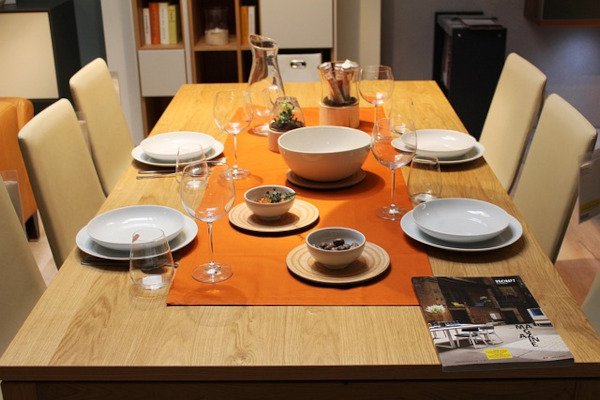
Soundscape matters more than many realize. Hard floors, empty walls, or large windows can amplify noise and make the room feel restless. Incorporate soft materials—rugs, upholstered chairs, or curtains—to absorb excess sound and create a calm acoustic environment. Light, mellow music can enhance the ambiance, promoting relaxed conversation and a sense of communal rhythm. Avoid harsh or overly loud music, which can scatter Qi and disrupt the natural flow of the meal.
Scent strategy is a subtle but powerful tool. Natural, appetizing aromas like fresh herbs, citrus, or baked goods enhance Qi and invite appetite. Heavy perfumes or overpowering air fresheners can create tension or distract diners. Keep scents layered lightly and thoughtfully, enhancing rather than dominating the space.
In open layouts, managing cooking smells is key. Lingering odors can interfere with dining energy. Use vent hoods, open windows, or indoor plants to absorb or redirect strong scents. This ensures that the table remains a space for enjoyment and connection, not residual kitchen stress.
Candles and incense add fire and earth energy, creating warmth and intimacy when used mindfully. Limit their use to one or two well-placed pieces, and ensure they’re positioned safely and proportionately. The goal is to add subtle energy and meaning, not clutter or distraction. A flickering candle or a soft aroma can lift the mood and signal the transition from the rush of daily life to the calm, nourishing experience of the meal.
Open-Plan Dining: Zoning Without Walls
In open-plan homes, the dining area often shares space with the kitchen and living room, which can make it challenging to maintain clear energy and focus. Feng shui emphasizes defining zones, guiding Qi, and creating a sense of calm without physical barriers. Thoughtful design helps the dining space feel distinct, inviting, and conducive to connection.
Define the zone using rugs, lighting, and ceiling cues. A rug under the table anchors the area visually and energetically, signaling that this is a dedicated space for gathering. Overhead lighting, such as a pendant or chandelier, can create a sense of “roof” or boundary above the table, further distinguishing it from surrounding zones. Subtle ceiling details like beams or differing finishes can also cue separation.
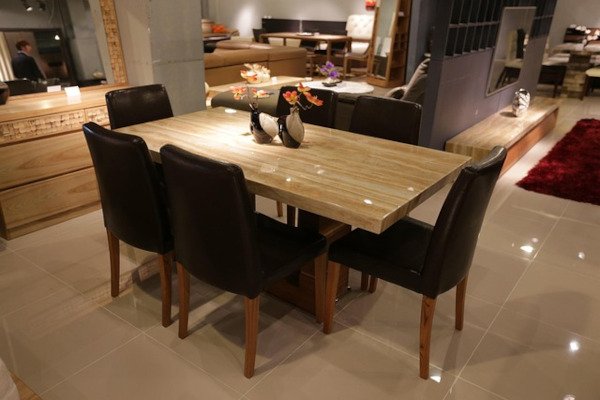
Buffer sightlines to kitchen clutter to prevent the energy of mess from spilling into the dining area. Use half-height cabinets, low shelving, or tall plants to subtly screen counters while maintaining openness. Even a well-placed decorative panel or textured room divider can reduce visual chaos and support calm Qi.
Smooth traffic flow between sofa, table, and stove to avoid energetic congestion. Walkways should remain open and unobstructed, allowing both people and Qi to circulate naturally. Chairs should be easy to pull out, and the space between dining and living zones should feel generous, even in compact layouts.
Low storage and plants serve as subtle dividers. Open shelving, console tables, or clusters of potted plants create boundaries without blocking light or isolating the table. These elements help define the dining area’s energy while maintaining the visual continuity of the open space.
Finally, keep screens from hijacking mealtimes. TVs, tablets, and phones can easily draw attention away from conversation and shared meals. In open-plan settings, consider turning off screens during meals or using the dining area as a screen-free zone. This ensures the space fulfills its feng shui purpose: nourishing both body and relationships.
Small Homes and Studio Solutions
In small homes and studio apartments, every inch counts, and feng shui emphasizes making the dining area both functional and energetically supportive. The goal is to create a space that feels intentional, comfortable, and connected—even when it doubles as another room’s function.
Space-savvy tables are essential. Round tables or pedestal-style tables allow chairs to move freely and promote smooth Qi flow. Extendable tables offer flexibility, providing room for extra guests without overwhelming the area. Choosing a shape and size that fits your footprint ensures the table feels proportionate, anchored, and ready for use.
Banquettes and benches help reclaim floor space while adding cozy, communal seating. They fit neatly against walls, opening up pathways and keeping Qi moving. However, make sure they don’t feel tight or boxed in; adequate circulation is key. A banquette works best when paired with a pedestal table or extendable option to maintain balance and flow.
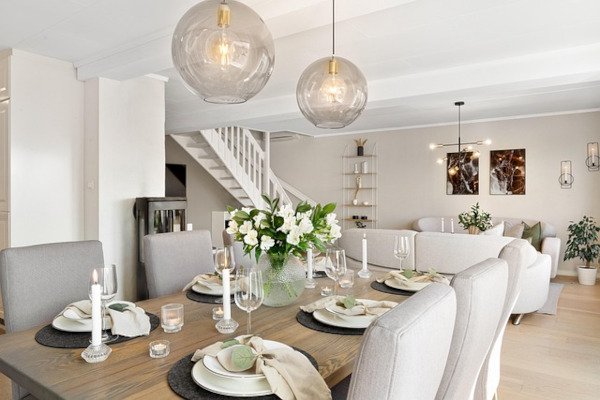
Mirrors can visually expand compact spaces without creating cluttered energy. Placing a mirror on a wall adjacent to the table doubles perceived space and light, enhancing abundance. Avoid overly ornate or sharp-edged mirrors that dominate the room—keep reflections soft and welcoming, enhancing comfort rather than distraction.
Folding chairs and under-bench storage offer flexible solutions for multi-use rooms. Folding chairs can be tucked away when not in use, keeping pathways clear and Qi flowing. Benches with built-in storage allow extra linens, dishes, or small appliances to stay nearby yet hidden, maintaining order and calm energy in a limited footprint.
Finally, creating a dining ritual in a multi-use room helps anchor energy despite competing functions. Set clear boundaries for when the table is “for dining” with simple habits—like a centerpiece, a placemat setup, or dimmed lighting—to signal intentional mealtime. Even in a small, shared space, these small rituals transform the table into a dedicated zone of connection, nourishment, and positive energy.
Common Challenges and Easy Feng Shui Cures
Dining areas often face layout or design challenges that can disrupt Qi, but feng shui offers simple, effective cures to restore balance. Addressing these common issues ensures that meals remain nourishing, conversations flow, and energy feels harmonious.
Table under a beam or ceiling fan can create a feeling of pressure or heavy energy above diners. To counteract this, consider hanging a lightweight fabric canopy or mobile above the table to visually soften the overhead line. Crystals or pendant lights can also redirect energy, breaking up stagnant Qi and creating a more uplifting atmosphere. Even subtle solutions, like warm, diffused lighting, help balance the space.
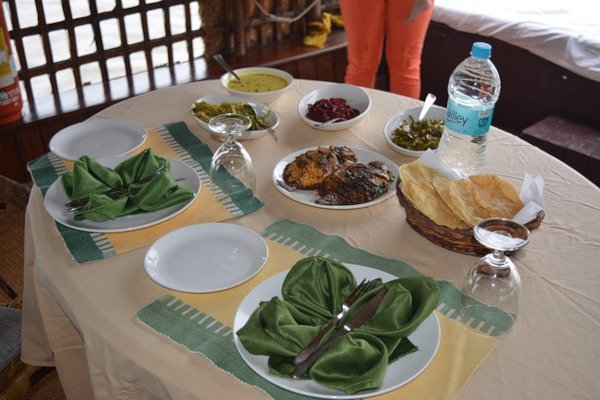
If the table sits directly in line with a door or hallway, Qi can rush too quickly through the room. Use screens, tall plants, or sideboards to gently redirect energy without blocking pathways. Even a decorative curtain or shelving unit can buffer the force of fast-moving Qi, giving diners a sense of security and stability while maintaining openness and flow.
Proximity to a bathroom is another common concern. Bathrooms carry heavy, draining energy, which can interfere with dining harmony. To mitigate this, maintain strong airflow by keeping doors closed and windows open when possible. Incorporate grounding earth elements—like ceramic or stone decor—between the bathroom and table to absorb disruptive energy. Subtle dividers, a healthy plant, or a small water element can also buffer the area effectively.
Sharp corners aimed at seats, often from other furniture or the table itself, create “poison arrows” that disrupt calm Qi. Soften these edges with rounded mats, tablecloths, or strategically placed plants. If possible, reposition chairs or furniture so corners don’t directly face diners. Even minor adjustments significantly improve comfort and flow.
Dark corners and low ceilings can make the dining area feel cramped or heavy. Lift energy with layered lighting, reflective surfaces, and lighter paint tones. Mirrors, glossy tableware, or light-colored rugs bounce light around the room. Vertical patterns or brighter accent walls can also draw the eye upward, visually opening the space and energizing the area for more vibrant meals and gatherings.
| Challenge | Problem for Qi | Easy Feng Shui Cure |
| Table under beam | Pressure, stagnant energy | Fabric canopy, crystals, pendant lighting |
| Table in line with door | Rushing Qi, instability | Screen, plant, or sideboard buffer |
| Table near bathroom | Draining energy | Keep door closed, airflow, earth elements |
| Sharp corners toward diners | “Poison arrows” | Tablecloth, rounded mats, reposition chairs |
| Dark corners / low ceilings | Heavy, stagnant energy | Layered lighting, mirrors, lighter colors |
Rituals and Everyday Habits That Keep Energy High
Maintaining high-energy dining spaces isn’t just about furniture and decor—it’s also about daily habits and intentional rituals. In feng shui, consistent attention keeps Qi flowing, nourishes relationships, and transforms ordinary meals into moments of connection and abundance.
Start with gratitude moments and a no-phones basket. Before sitting down, invite everyone to pause briefly and acknowledge the meal, company, or something meaningful from the day. Placing phones in a basket or designated spot removes distractions, signaling that this is a time for presence and connection. These small acts encourage calm, mindful energy around the table.
A weekly refresh keeps the space vibrant. Replace wilted flowers, replenish a fruit bowl, and straighten linens. Even minor updates send a clear message to the energy that the dining area is cared for, lively, and ready to support abundance. A polished table naturally attracts gatherings and joyful meals.
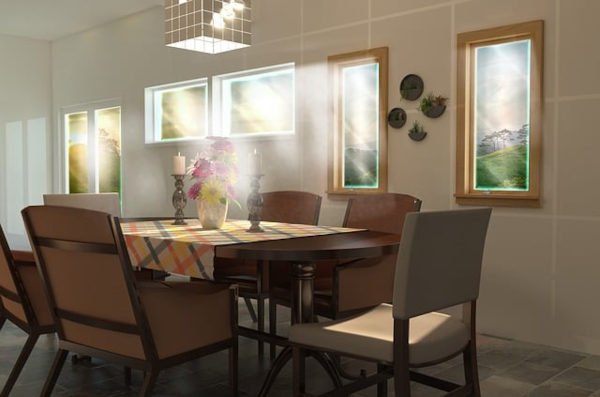
Establish mealtime rhythms that reduce stress. Consistent meal times, gentle background music, or a small lighting ritual help signal the transition from daily busyness to intentional nourishment. These routines create a predictable, comforting rhythm that supports Qi flow and encourages relaxation.
Clearing the table after eating is a critical practice in feng shui. Removing dishes, crumbs, and leftover food prevents energy from stagnating. It also reinforces the idea that the dining space is ready for the next positive experience, whether a spontaneous snack or a formal meal. The act of clearing is as much symbolic as practical, letting Qi move freely and refresh the room.
Finally, incorporate monthly space-clearing practices. This could include light dusting, airing out the room, or even using sage or sound to reset energy. Periodically evaluating clutter, reorganizing, and refreshing decorative elements ensures the dining area remains a vibrant, supportive hub of connection and nourishment throughout the year.
Seasonal Refreshes and Special Celebrations
Seasonal refreshes in your dining space align the energy with nature’s cycles, enhancing harmony and vitality. In spring, introduce fresh green shoots and light wood accents to symbolize new growth and renewal. These elements energize the space and invite freshness.
Summer calls for bright citrus colors and breezy fabrics that evoke warmth and vibrancy. Using airy curtains and lively table linens reflects the season’s openness and joyful energy, perfect for lively gatherings.
In autumn, bring in harvest textures and earthy tones like deep oranges, rich browns, and soft yellows. Incorporate natural materials such as woven baskets and pottery to celebrate abundance and grounding as the year winds down.
Winter warmth comes from candles, cozy textures, and reflective metals such as gold or bronze. These elements create inviting, nurturing energy that counters colder, darker days, encouraging closeness and comfort.
Holiday symbols and cultural traditions add powerful intention to your dining space. Whether it’s family heirlooms, seasonal foods, or meaningful decor, integrating these thoughtfully supports connection, gratitude, and prosperity throughout special celebrations.
| Season | Colors / Elements | Decor Ideas |
| Spring | Green, light woods | Fresh flowers, pastel linens |
| Summer | Citrus, bright fabrics | Open windows, fruit bowls, breezy textiles |
| Autumn | Earth tones, harvest textures | Woven runners, pumpkins, grains |
| Winter | Candles, reflective metals | Soft lighting, deep tones, cozy fabrics |
Eco-Friendly Choices for Healthy Dining Energy
Creating a dining area that supports both wellness and sustainability aligns perfectly with feng shui principles. Eco-friendly choices enhance the quality of Qi while nurturing the environment, ensuring that your space feels vibrant, grounded, and healthy.
Low-VOC paints, finishes, and adhesives are essential for maintaining clean air and positive energy. Volatile organic compounds can create stagnant or heavy energy, even subtly affecting mood and appetite. Choosing low-odor, non-toxic options keeps the air light, supports circulation, and reinforces a nourishing atmosphere.
Opt for sustainable woods and certified materials when selecting tables, chairs, or cabinetry. Look for FSC-certified or responsibly harvested wood, bamboo, or reclaimed timber. These materials carry a natural, grounded energy while minimizing environmental impact. Even small choices, like wooden serving bowls or cutting boards, contribute to long-lasting vitality in the dining space.
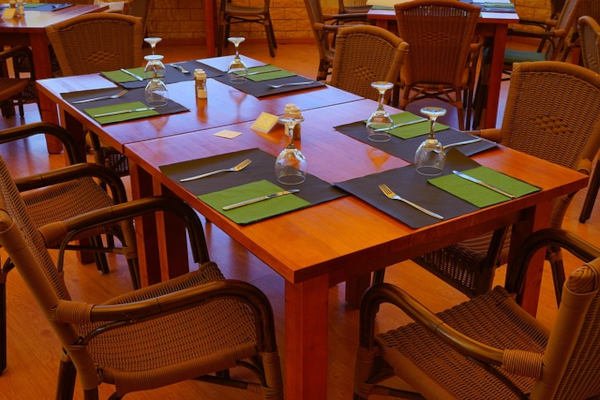
Natural fabrics for napkins, runners, and rugs add softness, warmth, and tactile grounding. Linen, cotton, jute, and hemp are breathable, durable, and energetically supportive. Avoid synthetic textiles with harsh finishes that can interfere with Qi and feel heavy in both texture and energy. Layering natural fabrics enhances comfort and invites relaxed, mindful dining.
Vintage and secondhand finds can bring character and positive energy if properly refreshed. Clean, polish, or lightly sand pieces before bringing them into your space to reset their energy. Reusing quality furnishings not only supports sustainability but also adds history and depth to your dining area, enriching its vibrancy.
Finally, consider energy-wise lighting and dimming. LED or low-wattage bulbs reduce electrical stress and heat while offering warm, adjustable illumination. Dimmers allow you to modulate the space for casual meals, intimate dinners, or festive gatherings, supporting balanced energy flow and creating a welcoming, adaptable environment.
Related reading: 18 Interior Design Elements that are BAD Feng Shui – Opens in new tab
Measurements and Buying Guide
Proper measurements are key to both comfort and feng shui in the dining area. Well-proportioned furniture ensures smooth Qi flow, supports physical ease, and makes gatherings feel natural and inviting.
Table sizing by seat count and room dimensions is the foundation of a balanced dining space. A general rule is to allow 24–30 inches of width per person for comfortable seating. For rectangular tables, maintain a proportional length so no seat feels cramped. Round tables should accommodate guests with roughly 30 inches of diameter per diner. Always consider the overall room size—too large a table overwhelms the space and restricts movement, while too small a table underutilizes the area and can feel disconnected energetically.
Chair seat height, back height, and spacing are critical for comfort and flow. Standard seat height is 18–20 inches from the floor, with backrests providing supportive upright posture without dominating the visual space. Allow at least 6–12 inches between the seat and the tabletop for legroom. Chairs should be spaced evenly to prevent crowding, ensuring Qi can circulate smoothly around each diner.
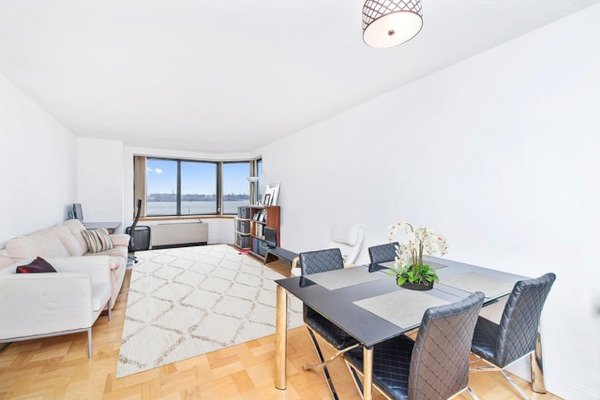
Maintain clearance around the table for effortless movement. Ideally, leave 36–48 inches between the table edge and walls, cabinets, or other furniture. This creates open pathways for chairs to slide back and for people to move freely, promoting calm, unobstructed energy. Narrow aisles or blocked access can make meals feel stressful and inhibit the natural flow of Qi.
Rug sizing rules that actually work are simple but impactful. Extend the rug at least 24–30 inches beyond the table edges on all sides, so chairs remain on the rug when pulled out. The shape of the rug should echo the table’s shape—round for round tables, rectangular for rectangular tables—to maintain visual harmony and energetic alignment. Oversized or undersized rugs can disrupt the balance, making the space feel heavy or disconnected.
For chandelier diameter and hanging height, proportionality is essential. A common formula is to allow the chandelier diameter to be roughly one-third the width of the table. Hanging height should be 30–36 inches above the tabletop for standard ceiling heights, providing adequate light without obstructing sightlines. Adjust proportionally for higher or lower ceilings, ensuring the fixture complements the table rather than dominates it. Properly scaled lighting anchors the space and enhances both visual and energetic comfort.
| Element | Recommended Dimensions | Notes |
| Table per person | 24–30 in. width | Ensures comfortable seating |
| Chair seat height | 18–20 in. | Pair with table for legroom |
| Clearance around table | 36–48 in. | Smooth movement for chairs and circulation |
| Rug extension | 24–30 in. beyond table edges | Chairs stay on rug when pulled out |
| Chandelier | Diameter ≈ 1/3 table width | Hang 30–36 in. above table |
Quick Do’s and Don’ts
Quick Do’s and Don’ts provide simple, actionable ways to maintain a dining space that feels inviting, abundant, and energetically balanced. These guidelines help you maximize comfort, Qi flow, and overall enjoyment, even without major renovations.
Do’s that invite connection and abundance:
- Keep the table clear and ready for use—fresh flowers or a fruit bowl signal vitality.
- Use rounded or softened edges on tables and decor to encourage smooth energy flow.
- Position seating so diners can see the door while remaining comfortably supported by a solid wall behind them.
- Layer lighting to create warmth, intimacy, and balance between bright task light and soft ambient glow.
- Rotate centerpieces, linens, and décor seasonally to keep energy fresh and dynamic.
Don’ts that drain energy or appetite:
- Avoid clutter, including mail, devices, or work items, on the table.
- Never leave sharp objects, such as knives, exposed after meals; they disrupt harmony.
- Don’t place the table directly under beams, fans, or low ceilings without adjustment.
- Avoid harsh lighting, glare on glossy surfaces, or overly cold color schemes that reduce appetite.
- Refrain from positioning the table in direct line with doorways or heavy traffic paths without buffering.
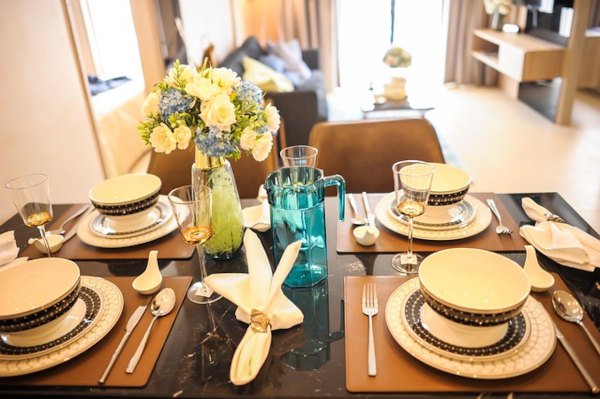
Fast five upgrades when you can’t renovate:
- Add a soft rug that anchors the table and cushions sound.
- Introduce a small, vibrant plant or fresh flowers for life energy.
- Install a dimmer or swap bulbs for warmer tones to improve ambiance.
- Use placemats or runners to soften edges and unify the table’s aesthetic.
- Clear and organize sideboards or shelving for a quick Qi reset.
Moving-day priorities for instant flow:
- Position the table in the command position: view of the door, solid wall support, and adequate breathing room.
- Clear pathways on all sides for smooth movement.
- Remove excess clutter before placing table accessories.
- Add a small, energetic touch like a fruit bowl or centerpiece to signal readiness.
- Adjust lighting so the table is evenly illuminated and inviting from the start.
Maintenance tips to keep it shining:
- Wipe the table daily to prevent dust or crumbs from stagnating Qi.
- Rotate linens, centerpieces, and plants weekly to refresh energy.
- Polish or clean surfaces according to material needs—wood, stone, glass—so energy remains vibrant.
- Check seating and furniture stability to maintain comfort and support.
- Regularly review the area for clutter or misplaced items that block flow.
FAQs
Is a glass dining table bad feng shui?
Not necessarily. Glass tables can feel light and airy, allowing Qi to circulate easily. However, they can also feel unstable or too “sharp” energetically if the edges are pointed or the surface is overly reflective. Soften edges with a tablecloth, runner, or rounded placemats, and balance the table with natural elements like wood or plants to ground the energy.
How many chairs are most auspicious?
Even numbers such as four, six, or eight generally promote balance and partnership in feng shui. Odd numbers can work but should feel visually and energetically balanced. Always ensure there’s enough space between chairs for comfortable movement and smooth Qi flow.
What if my dining table is rarely used?
Even if meals are infrequent, keep the table clean, clear, and set with a simple centerpiece. This signals readiness and abundance, keeping Qi active. Occasional use, like weekly gatherings or seasonal meals, maintains energy, but daily attention—wiping surfaces or refreshing decor—prevents stagnation.
Can the dining table double as a workspace?
It can, but be mindful of energy flow. Remove work-related items after use and maintain a clear, welcoming table for meals. Consider using trays, organizers, or portable baskets to separate work tools from the dining surface, ensuring the space still promotes nourishment and connection.
Where should a mirror go in a small dining room?
Mirrors should reflect the table or surrounding positive elements without “cutting” heads or diners in the reflection. Round or oval mirrors work best to soften energy, while rectangular mirrors can be balanced with rounded furniture or decor. Position the mirror to double abundance and light while maintaining a sense of openness.
Glossary of Feng Shui Terms for the Dining Area
- Qi: The vital energy that flows through your space; proper circulation is essential for harmony and abundance.
- Bagua: A feng shui energy map that links areas of your home to different life aspects such as wealth, health, and relationships.
- Command Position: The placement of furniture that allows visibility of the door while being supported by a solid wall, symbolizing security and control.
- Five Elements: Wood, Fire, Earth, Metal, Water—each element contributes specific energy qualities to balance the space.
- Poison Arrows: Sharp edges or corners directed at seating areas, which can create disruptive or stressful energy.
- Earth Cure: Feng shui remedy using grounding elements (stones, ceramics, earthen colors) to stabilize Qi or counteract negative energy.
- Yin/Yang: The balance of soft, calming energy (Yin) and lively, stimulating energy (Yang) in the dining area.
Want to learn more about Feng Shui? Take a look at these Courses and Books – Aff.link
Bringing It All Together
Start with a simple step-by-step approach to implement positive changes. Begin by decluttering the dining area and ensuring clear pathways for Qi flow. Next, assess key elements such as table shape, placement, and lighting—opt for round or oval tables if possible, place the table in the commanding position with a clear view of the door, and install warm, layered lighting with dimmers. Introduce living elements like plants or fresh flowers and soften sharp corners with cushions or decor. Incorporate a weekly refresh ritual with clean linens, tidy surfaces, and thoughtful centerpieces.
Prioritize high-impact fixes first: clearing clutter, adjusting the table position, and improving lighting provide immediate energy improvements. Softening poison arrows and balancing the five elements through color and material harmony follow as next steps. Small changes like adding a mirror to visually double abundance or creating a no-phone zone at the table amplify connection and calm.
Track how the room feels over time, tuning in to the flow of energy and family dynamics during meals. Notice where Qi feels blocked or overwhelming, and adjust accordingly. Pay attention to how lighting, decor, and daily habits influence mood and appetite.
Consider calling a professional feng shui consultant if challenges persist despite your best efforts, or when undertaking major renovations or relocations. An expert can provide personalized analysis and tailored remedies that honor your home’s unique energy map and your family’s specific needs, ensuring lasting harmony and abundance in your dining space.
This holistic approach unites principles, practical fixes, and ongoing care to create a dining area rich in warmth, connection, and positive energy.
Here are some of the most popular feng shui rules, organized by room, from our other articles.
- Feng Shui Rules and Tips for Your Front Door and its Surroundings
- Best Feng Shui Rules and Tips for the Living Room
- Basic Feng Shui Rules and Tips for Dining Room
- Basic Feng Shui Rules and Tips for Kitchen
- Basic Feng Shui Rules and Tips for the Bedroom
- How to Feng Shui Your Bathroom
- Basic Feng Shui Rules and Tips for Staircases and How to Apply them
- Simple Guide to Feng Shui Your Workspace
- Feng Shui Your Garden: Design Your Dream Garden with Feng Shui Principles
- Feng Shui Your Baby’s Room for Optimal Well-being
Stay in Touch
 Join our newsletter by using the forms on this website or click here!
- Follow us on Google News
- Follow us on Facebook



Featured image by rawpixel from Pixabay
Share it!